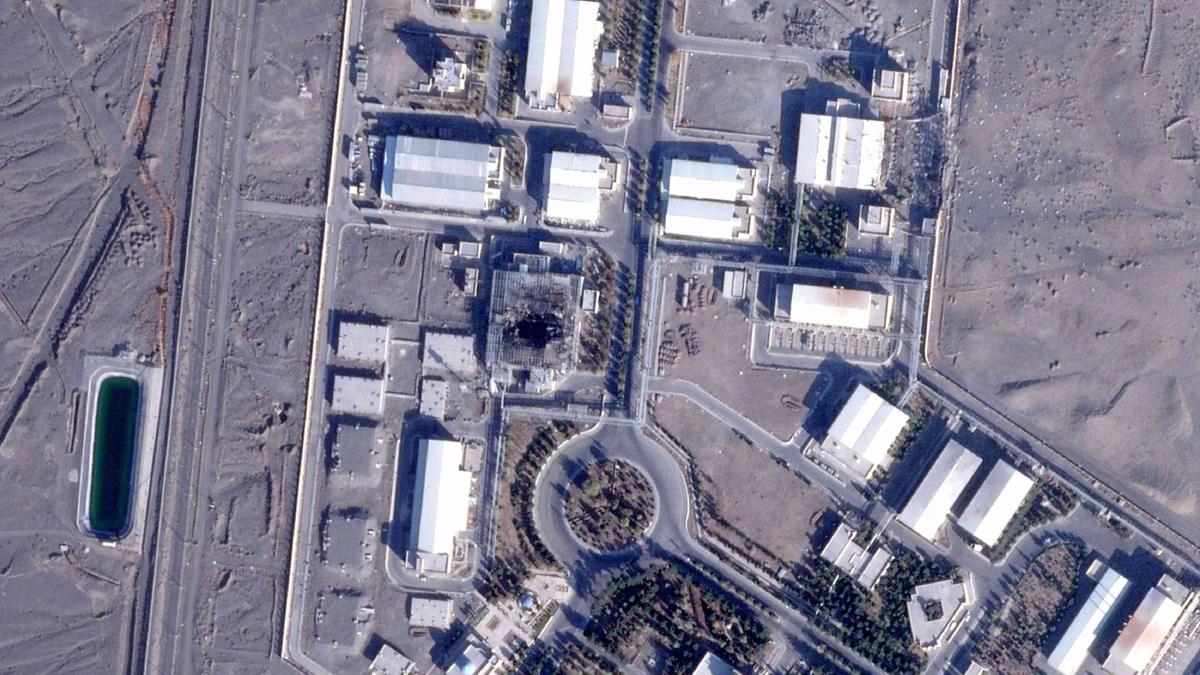
The United States has quietly abandoned its long-standing "zero enrichment" demand, signaling a major shift by allowing Iran to maintain limited, civilian nuclear activities under strict international oversight. This sudden diplomatic flexibility, disclosed by senior diplomatic sources during intense, Pakistan-mediated talks in Islamabad, is not a gesture of goodwill. It is a tactical retreat designed to defuse a global shipping crisis while keeping Iran’s economy on a choke chain. While Washington is dangling nuclear concessions and a temporary freeze on oil sanctions, it is simultaneously refusing to release three-quarters of Tehran's frozen foreign assets.
This asymmetry reveals the true nature of the current negotiations. The White House is trading temporary administrative waivers for permanent structural concessions from a battered Iranian regime. By deferring the volatile issue of uranium enrichment to later rounds, negotiators have engineered a temporary pause in a conflict that recently threatened to tip into absolute regional war.
For decades, the bedrock of American counter-proliferation policy in the Middle East was absolute and unyielding. Iran could not be permitted a single spinning centrifuge. That policy died this week in Islamabad.
The shift follows months of brutal military exchanges, including devastating strikes on Iranian infrastructure and the subsequent closure of the Strait of Hormuz by a desperate regime in Tehran. With global energy markets reeling from the maritime blockade and the Indian rupee scrambling to survive the resulting oil shock, Washington’s sudden flexibility is born out of economic necessity rather than diplomatic sudden enlightenment.
Allowing Iran to maintain a highly supervised, low-level civilian nuclear footprint under the watchful eye of the International Atomic Energy Agency is a calculated gamble. By offering this concession, American negotiators are attempting to separate Iran’s domestic civilian energy ambitions from its military integration. It provides the newly installed leadership in Tehran a face-saving exit from an economic catastrophe accelerated by the reimposition of snapback sanctions.
Yet, the mechanics of this concession show how tightly the trap is wound. Under the proposed framework, excess enriched material would be stripped from Iranian soil and transferred to third parties like Turkey or Russia for fuel fabrication, capping domestic enrichment at a harmless threshold. The infrastructure remains, but the operational capability to produce a weapon is effectively outsourced.
The true lever of American coercion is no longer the threat of bunker-busters targeting Natanz. It is the banking system.
IRANIAN PROPOSALS VS. U.S. REVENUE CONTROLS
┌───────────────────────────────────────┬───────────────────────────────────────┐
│ Iranian Negotiating Priorities        │ Current U.S. Counter-Offer            │
├───────────────────────────────────────┼───────────────────────────────────────┤
│ Complete lifting of maritime embargo  │ Temporary waiver on oil export        │
│                                       │ sanctions                             │
├───────────────────────────────────────┼───────────────────────────────────────┤
│ Immediate release of all frozen       │ Phased release of exactly 25% of      │
│ foreign assets                        │ offshore funds                        │
├───────────────────────────────────────┼───────────────────────────────────────┤
│ Permanent recognition of enrichment   │ Deferred debate; restricted low-level │
│ rights                                │ civilian research                     │
└───────────────────────────────────────┴───────────────────────────────────────┘
Tehran entered these emergency talks demanding a comprehensive reversal of the maritime sanctions that have strangled its commerce. Instead, the U.S. Treasury Department’s Office of Foreign Assets Control is prepared only to dole out temporary waivers on Iranian oil sales. The cash generated by these restricted sales will not flow freely back into the central bank in Tehran. It will remain locked in monitored escrow accounts, accessible primarily for humanitarian and non-sanctioned goods.
The dispute over frozen foreign assets exposes the severe imbalance of the talks. The United States has agreed to unlock a mere 25% of Iran's seized billions, distributed via a highly conditional, phased timetable. Each tranche of capital will require verified compliance with freedom-of-navigation protocols through the newly reopened Strait of Hormuz.
This is not a traditional peace treaty. It is an administrative lease on Iranian stability, renewable at the whim of the American executive branch.
By pushing the highly contentious debates over uranium enrichment stockpiles and ballistic missile ranges into future rounds of talks, both sides have chosen immediate economic relief over long-term geopolitical resolution. It is a classic diplomatic stalling tactic, but the clock favors Washington.
Iran’s economy is buckling under the weight of historic inflation, currency devaluation, and the physical destruction of key logistical nodes during the brief, violent military escalations earlier this year. The regime’s pragmatic pivot, spearheaded by a severely stressed diplomatic corps, reflects an urgent need to prevent total domestic collapse. They are trading their most potent geopolitical leverage—the ability to choke global energy shipping and advance rapidly toward a nuclear breakout—for basic financial oxygen.
The danger of this approach lies in its fragile foundations. By utilizing temporary waivers and fractional asset releases, the United States keeps the Iranian state on a permanent probation. If a future political shift in Washington or an unaligned action by a regional proxy disrupts the talks, the sanctions snap back instantly, and the maritime war resumes.
The White House has modified its demands, but its ultimate objective remains unchanged. Washington has simply realized that it does not need to dismantle every single centrifuge by force when it can control the flow of capital required to turn them on.



