We forget how fragile a mirror can be until someone drops it.
Decades after the flashbulbs stopped blinding the damp pavements of London, the echoes continue to bounce off velvet drapes and limestone corridors. History is rarely a neat collection of dates and treaties. More often, it is a messy theater of muttered insults, nervous laughter in the back of a limousine, and the heavy, suffocating silence that follows a careless remark.
Consider the word. Just eight letters. Chubby.
It sounds harmless enough on a playground, almost soft, bouncing off the tongue with a clumsy sort of innocence. But spoken in a gilded antechamber, directed at a young woman whose face was already plastered across every tabloid from Los Angeles to Tokyo, it functions differently. It acts like a small stone dropped into a calm lake, sending out concentric rings of poison that take years to dissolve.
When memoirs emerge from the shadows, they rarely bring peace. They bring resurrection. They dig up old bones and ask us to look at them under the harsh light of a modern day. The revelations surrounding King Charles and Princess Diana, spilled from recent biographical accounts, force us to confront an uncomfortable truth about the machinery of royalty. It is a system designed to preserve an institution at the absolute expense of the human being standing in the center of the crosshairs.
Imagine standing on a balcony. Thousands of people are screaming your name. They love the hat, the coat, the fairy-tale illusion of it all. But inside, your stomach is hollowed out by a comment made hours earlier over morning tea—a casual observation about your waistline, tossed off as a joke.
Laughter is a weapon when used by the powerful against the vulnerable.
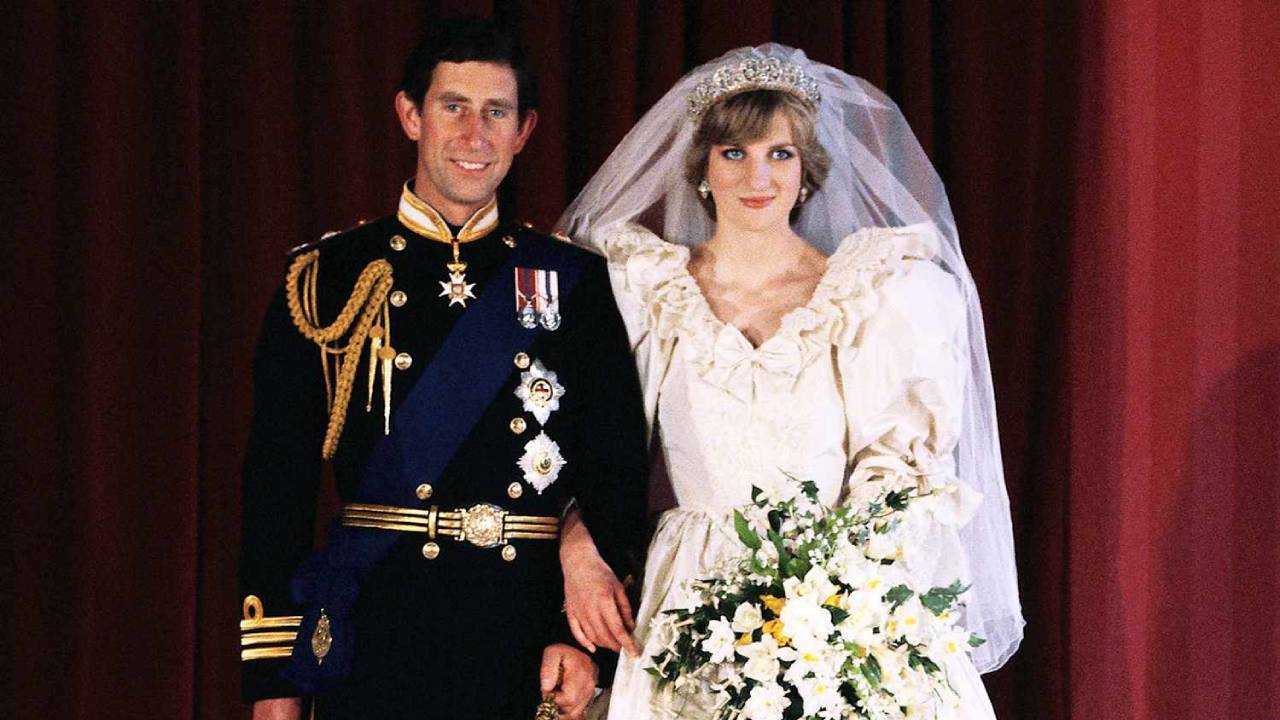
Biographer Tina Brown, through her meticulous unpacking of court dynamics, paints a picture of a relationship corroded long before the public ever caught a glimpse of the cracks. The tragedy of Diana Spencer was never just that she married into a family unequipped for her emotional magnitude. It was that every vulnerability she possessed became public property. Her struggles with bulimia, her desperate bids for affection, her isolation within rooms that felt like museums—these were treated not as cries for help, but as inconvenient disruptions to the brand.
And then, there is the darker edge of the narrative. The reports of reactions following her fatal crash in Paris evoke a chill that transcends standard royal scandal. Elation is a strong word. It belongs in a different story, one of dark political intrigue or psychological detachment. To imagine any human being responding with a sense of giddy release to the sudden, violent end of the mother of their children requires a leap into a psychological abyss.
We try to rationalize it. We tell ourselves that privilege insulates people from normal grief, that aristocratic breeding demands a stiff upper lip, that emotional numbness is simply the price of admission to the crown.
Nonsense.
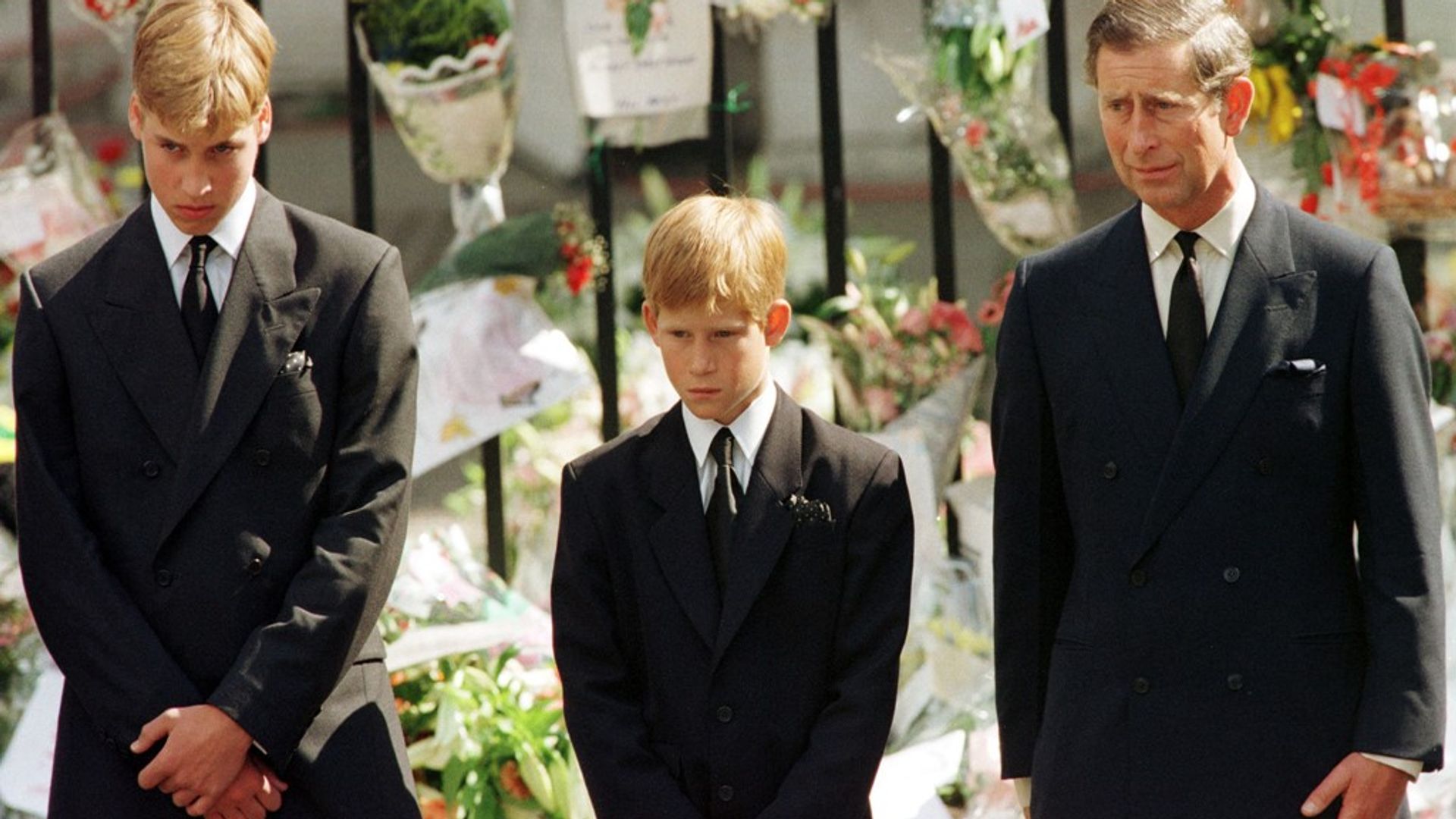
Grief is universal. Pain is democratic. No amount of inherited land or centuries-old title protects a person from the raw mechanics of karma and conscience. When the news broke in August 1997, the world stopped spinning on its axis for a moment. Floral tributes piled ten feet high outside the gates of Kensington Palace. People wept openly in the underground. They weren't just mourning a princess; they were mourning the death of an ongoing fairy tale that had turned out to be a horror story in disguise.
We look back now across the decades and see the ghosts more clearly. Diana remains frozen in amber—young, tragic, eternally pursued by lenses and whispers. Charles moves forward into his long-awaited reign, burdened by an archive that refuses to stay closed. History has a terrible way of keeping receipts. Every slight, every whispered critique in a hallway, every cold shoulder captured by an observant biographer eventually rises to the surface.
The lesson lingers in the air, long after the book has been shut and placed back on the shelf. Words matter. The casual cruelty of the powerful leaves scars that no amount of royal pomp can ever quite conceal.
The silence that follows is deafening.