Power has an architectural gravity of its own. It draws heavy stone walls around men, locks iron gates, and turns human breathing into a statistic logged in a ledger.
Consider what happens next: a sirens wail cuts through the friction of an Islamabad afternoon, and a former prime minister is moved from the high-security confinement of a prison cell to the sterile, guarded halls of a hospital. In similar news, take a look at: Inside the Tragic Kenya Helicopter Crash That Killed Telemundo Executive José Suárez.
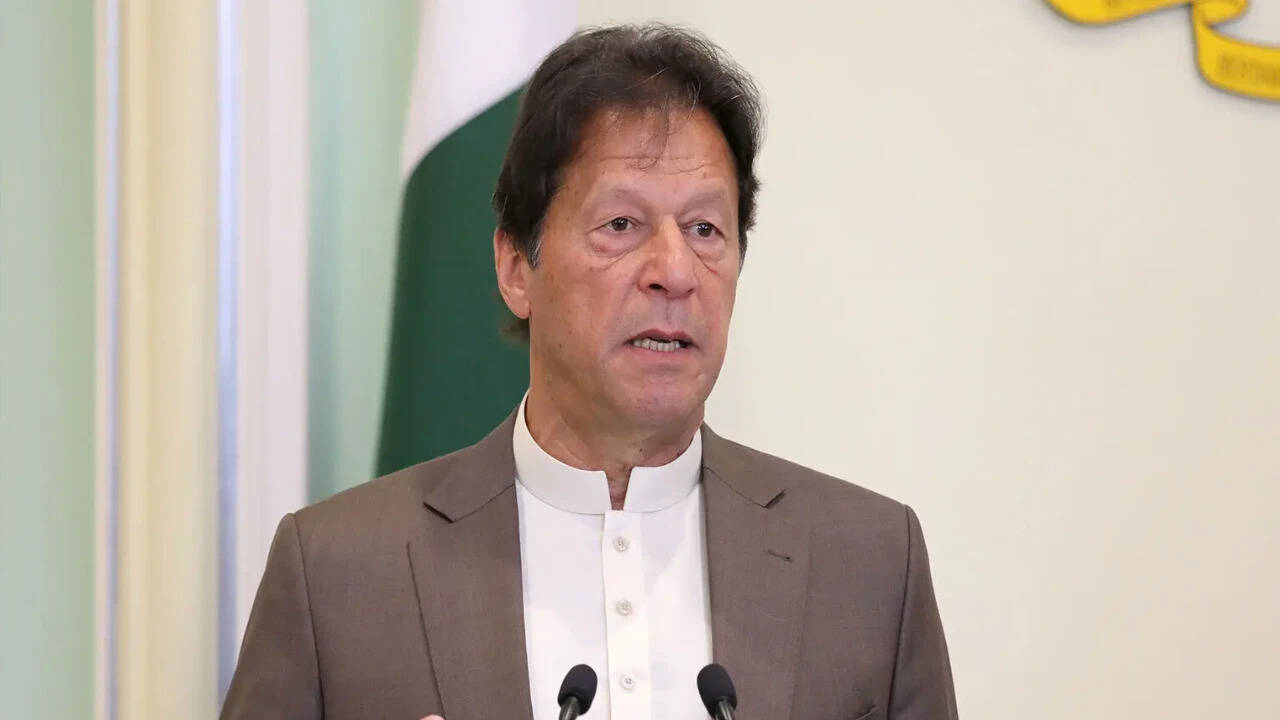
For months, the political landscape of Pakistan has hummed with a low-voltage tension. Imran Khan, the cricketer-turned-politician whose name still acts as a lightning rod for millions across the country, sat behind bars. Legal battles stacked like cordwood. Courtrooms echoed with motions, counter-motions, petitions, and rejections. But laws and benches are abstractions until they collide with human biology.
The immediate trigger for the transfer was simple, clinical, and urgent: medical necessity verified by judicial order. Reports indicated health concerns that could no longer be managed within the perimeter of Adiala Jail. A court directive pierced the bureaucratic fog, demanding medical intervention. NBC News has also covered this critical subject in extensive detail.
Think of a man sitting in a stark cell, the sunlight measured out in bars on the floor. To his supporters, he is a symbol of defiance against institutional gravity. To his detractors, he is a defendant facing the long, unyielding arm of the judiciary. But behind the slogans and the televised tickers, biology remains stubbornly indifferent to political alignment. Blood pressure drops, joints ache, hearts strain under stress.
Medical teams assessed his condition, noting that specialized care was required beyond the scope of prison infirmaries. An ambulance rolled through security cordons, lights spinning silently against concrete walls.
This is not just a logistical update. It is a moment where the invisible stakes of governance manifest in a single hospital bed, surrounded by armed guards and watched by a nation holding its breath. The narrative of Pakistan’s political future is written not only in election manifestos and constitutional amendments, but in the quiet, tense hours spent waiting outside a hospital ward, wondering what the morning will bring.