The air inside a diner on a Tuesday morning smells like burnt coffee and fried grease. Outside, the highway hums with the relentless sound of semitrucks carrying goods across a divided nation. Inside, booths are filled with people who rarely talk to each other anymore. They sit three feet apart, yet they inhabit entirely different realities.
Consider a man named Arthur. He is fifty-eight years old, his hands calloused from decades of working maintenance at a local plant. He watches the evening news with a quiet exhaustion. When poll numbers flash across the screen, Arthur does not cheer or jeer. He simply stirs his coffee and wonders how the grocery bill keeps climbing while his paycheck stays stubbornly frozen in place.
Numbers on a screen often feel weightless. They are pixels, percentages, cold abstractions computed by algorithms and focus groups. Yet every percentage point represents a kitchen table argument, a canceled medical procedure, or a silent anxiety felt by millions of people who wake up before dawn.
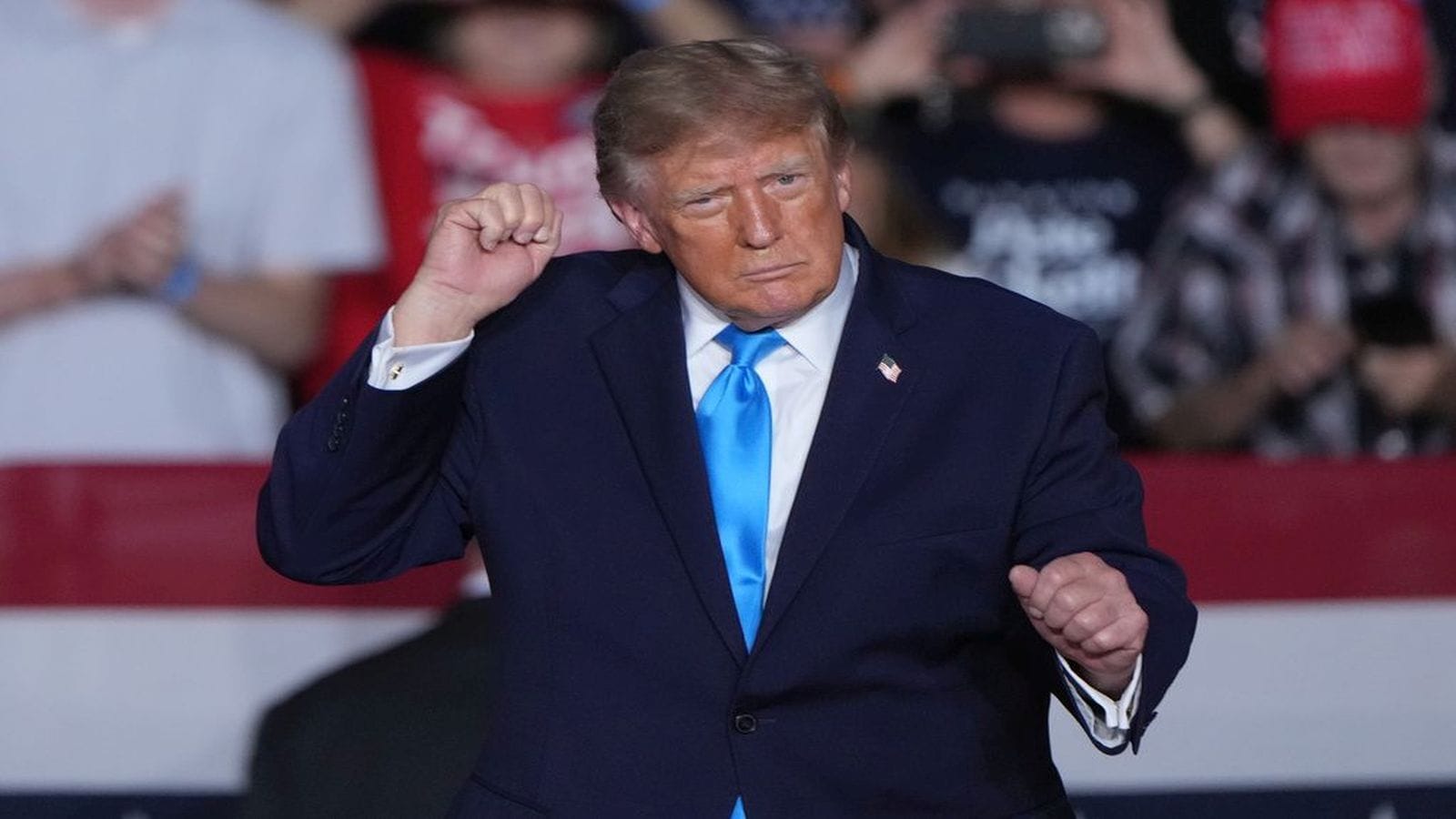
Recent data from a Reuters/Ipsos poll revealed a stark drop in presidential approval ratings as the midterm elections loom closer. Specifically, Donald Trump's approval slipped down to thirty-one percent. In the sterile language of political reporting, it is framed as a historic low, a metric of shifting momentum, a data point in a ceaseless game of political chess.
But what does thirty-one percent actually feel like?
It feels like a fracture. It is the sound of an entire neighborhood splitting down the middle, where neighbors no longer wave across their lawns because a yard sign has turned them into ideological strangers. It is the buildup of quiet frustration, accumulated over months and years, as promises meet the hard wall of economic reality.
Think back to the initial waves of enthusiasm that carried political movements forward. There was a palpable energy, a collective belief that a single leader could dismantle a system perceived as rigged. Millions invested their hopes into that vision. They bought the hats, attended the rallies, and defended the rhetoric against a barrage of critics. For them, support was not merely political; it was personal. It was an identity.
Bonds formed in shared conviction are difficult to break, but economic gravity is relentless.
When the cost of milk, gasoline, and rent outpaces wages, the abstract becomes concrete. A farmer watching fertilizer prices double does not care about partisan talking points. A mother staring at a stack of unpaid utility bills is immune to campaign slogans. The erosion of approval is rarely sudden. It is a slow leak, drop by drop, as the daily struggles of life chip away at unwavering loyalty.
This is where the human element collides with political science. Voters are not static units on a chessboard. They are dynamic, feeling, and often deeply conflicted actors trying to navigate a world that feels increasingly unpredictable.
As the midterm elections approach, the political landscape resembles a dry forest during a drought. Every word, every policy misstep, and every dip in public support acts like a spark. Both parties understand the stakes, even if they articulate them through wildly different lenses.
For the opposition, the thirty-one percent approval rating is treated as a tailwind, a sign of impending victory. For the incumbent's allies, it is viewed as a temporary slump, a blip caused by temporary economic headwinds that can be reversed with the right messaging.
Meanwhile, Arthur just wants to know if he will be able to afford retirement when his knees finally give out.
History teaches us that public sentiment is remarkably fickle yet stubbornly persistent once a critical mass of doubt takes root. People possess an immense capacity for patience when they believe a goal is worth the sacrifice. They will endure hardship, swallow their doubts, and defend their choices against relentless opposition. But that patience has an expiration date.
When confidence shatters, it rarely repairs itself overnight. It leaves behind a residue of cynicism. Voters begin to question whether the entire system is built to serve anyone other than those already sitting in power.
This cynicism is perhaps the most dangerous fallout of sinking approval ratings. It breeds apathy. It convinces people that participating in democracy is an exercise in futility. Why cast a ballot when the faces change, but the struggles remain identical? Why care about a midterm election when tomorrow's grocery bill looks identical to yesterday's?
Yet, inside thousands of voting booths across the country, a quiet defiance still flickers.
The pen touches the paper. The lever pulls. In that singular, private moment, the noise of cable news fades away. The endless polling data dissolves into silence. There is only the citizen, the ballot, and the quiet weight of their own lived experience.
Political fortunes rise and fall on the whims of public opinion, captured momentarily by polls and percentages. But the true story of a nation is written in the spaces between those numbers—in the quiet resilience of everyday people trying to build a stable life against the odds.
The numbers will shift again next week. New polls will emerge, fresh headlines will dominate the screens, and pundits will dissect every decimal point. But the kitchen tables will remain, bearing the weight of reality long after the cameras have turned away.