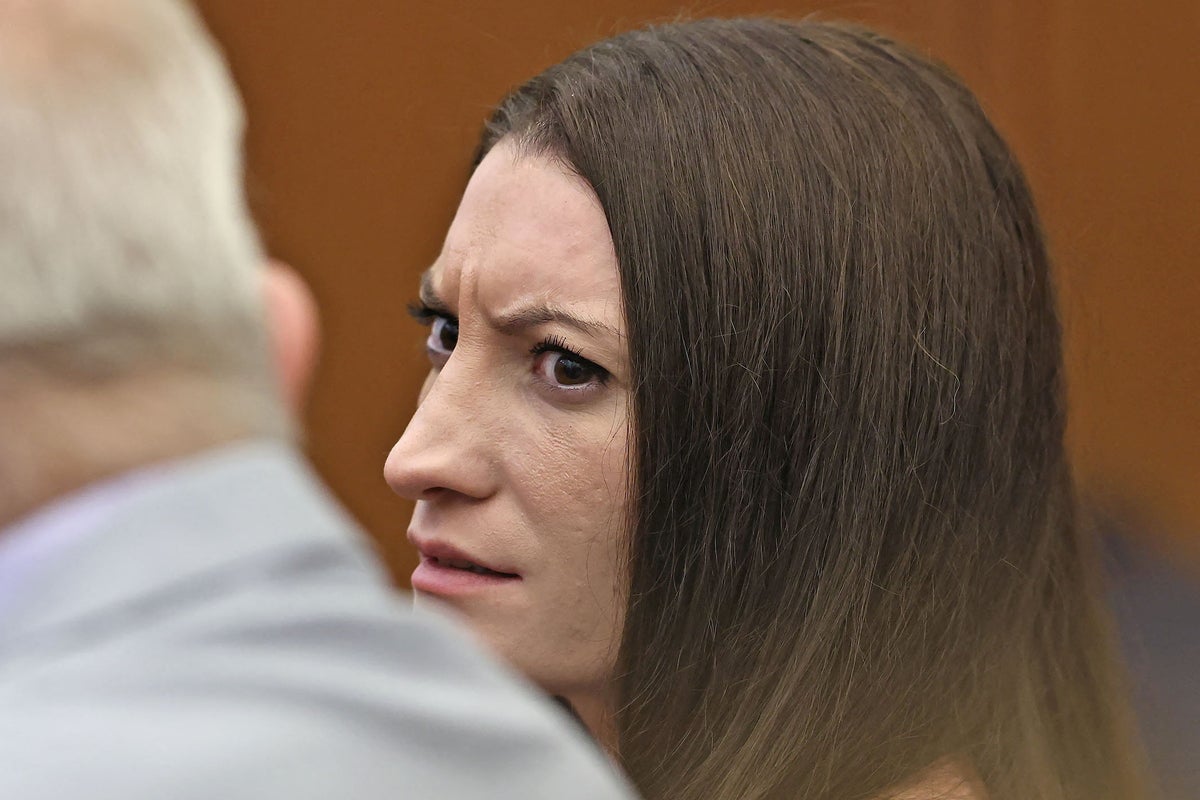
The paper arrives quietly. It does not carry the sound of breaking timber or shattering glass. It slips into the hands of the bailiff, a folded rectangle of white bond paper passed from the inner sanctum of the deliberation room out into the fluorescent glare of a Massachusetts courtroom.
For the second time, the words are written in ink that looks entirely too ordinary for the gravity it holds. We cannot agree. Learn more on a similar issue: this related article.
Outside, the wind cuts off the harbor, biting through heavy wool coats and freezing the breath of reporters who have camped for weeks beneath slate-gray skies. Inside, the air is thick with the scent of stale coffee, damp paper, and exhaustion. The clock on the wall ticks with a mechanical indifference that feels almost cruel. Hours bleed into days. Days blur into a relentless cycle of raised voices, whispered arguments, re-read transcripts, and long, suffocating stretches of silence where no one dares to look anyone else in the eye.
A jury does not deadlock lightly. Twelve citizens, plucked from their ordinary lives of grocery shopping, school drop-offs, and quiet Sunday mornings, are suddenly handed the most profound tragedy of another family’s existence. They are asked to look into the abyss of human suffering and measure it with the cold, rigid instruments of the law. More reporting by The Washington Post delves into comparable perspectives on the subject.
Consider what happens inside that room when the door clicks shut. The locks turn. The world outside vanishes. There are no phones, no internet, no escape routes. There is only the evidence, the testimony of experts who spoke in dry medical jargon about postpartum psychosis, and the haunting, inescapable image of a quiet Duxbury home transformed into a slaughterhouse on a snowy January evening.
To understand the deadlock in the Lindsay Clancy trial, one must first strip away the courtroom theater and confront the terrifying fragility of the human mind.
On that winter night, a mother of three—a labor and delivery nurse who spent her professional life bringing new life into the world—crossed an invisible, catastrophic threshold. The prosecution points to method, to planning, to a sequence of terrifying actions. They see a crime that demands accountability, a calculation that pierces through the fog of mental illness. They look at the small bodies left behind and argue that a society cannot function if profound horror is excused simply because the mind that orchestrated it was broken.
The defense, meanwhile, points to a descent so dark and rapid it defies ordinary comprehension. They speak of a woman trapped in the labyrinth of severe postpartum psychosis, bombarded by internal terrors, overmedicated by a revolving door of psychiatric care, and utterly detached from reality. To them, holding a trial for what happened is like putting a patient on trial for dying of a sudden stroke.
And so the twelve jurors sit at the table, caught between these two irreconcilable truths.
One juror might be thinking of their own children, feeling a visceral, protective fury that hardens their heart against any plea of mental defect. Another might remember a sister, a cousin, or themselves lying awake at 3:00 AM in the suffocating grip of postpartum depression, staring at the ceiling and wondering if the darkness would ever lift. They know, with a terrifying intimacy, how thin the veil is between a functioning mother and a mind in freefall.
When the judge reads that second note aloud, a collective sigh ripples through the courtroom gallery. It is a sound of deflation.
A hung jury is not a resolution. It is a suspension. It is the legal system throwing up its hands and admitting that twelve reasonable people, looking at the exact same set of facts, have reached an impasse they cannot cross through sheer force of logic or persuasion.
In American jurisprudence, a deadlock triggers what is known as a Tuey-Charge, a judicial instruction urging the jurors to go back, to listen to one another with open minds, to reconsider their positions, and to try, once more, to reach a unanimous verdict. It is an appeal to stamina. It asks exhausted human beings to find reserves of patience they exhausted hours ago.
Watch the faces of the families seated on the hard wooden benches. The Clancy and Frazipoor families carry a burden that defies description. Every day of the trial is a fresh excavation of their worst nightmares. Every motion, every objection, every graphic photograph flashed on a screen forces them to relive the day their universe fractured. For them, a hung jury offers no closure. It is the promise of purgatory. If the jury cannot agree, the specter of a retrial looms—a terrifying do-over where all the grief, the testimony, and the public scrutiny must be endured all over again.
This is the hidden cost of our quest for justice in cases where the mind has catastrophically failed.
We expect the law to handle scenarios it was never truly designed to accommodate. Our legal codes were built for villains—people who act out of malice, greed, or malice aforethought. They were written for choices made in the clear light of day. They struggle mightily when confronted with the twilight state of severe mental illness, where the person committing the act and the person experiencing the illness seem to occupy the same skull, yet are entirely different entities.
As the jury files back into their deliberation room for yet another round of soul-searching, the rest of us wait in the quiet hum of anticipation.
The note is sitting on the judge's bench. The foreperson’s signature is faint, written with a pen running low on ink.
Inside that room, the debate continues. Voices rise, then fall into quiet, respectful tones as the reality of their responsibility settles back over them. They are wrestling with the hardest questions a society can ask: What do we do when a mother becomes a monster, and the monster is a victim of a fractured brain? How do we punish tragedy when the perpetrator is already living in the deepest prison imaginable?
The clock keeps ticking. The harbor winds keep howling against the courthouse glass. And twelve ordinary people remain locked in a room, trying to find a single thread of agreement in a tapestry torn completely apart.