Washington just dropped a geopolitical bombshell on South America. The State Department announced that Brazil’s two largest organized crime syndicates, the First Capital Command (PCC) and the Red Command (CV), will be designated as Foreign Terrorist Organizations (FTOs) effective June 5, 2026. Right now, they’re sitting on the Specially Designated Global Terrorists list alongside entities like Al Qaeda and Hezbollah.
If you think this is purely a standard law enforcement play to stop international drug trafficking, you're missing the real story.
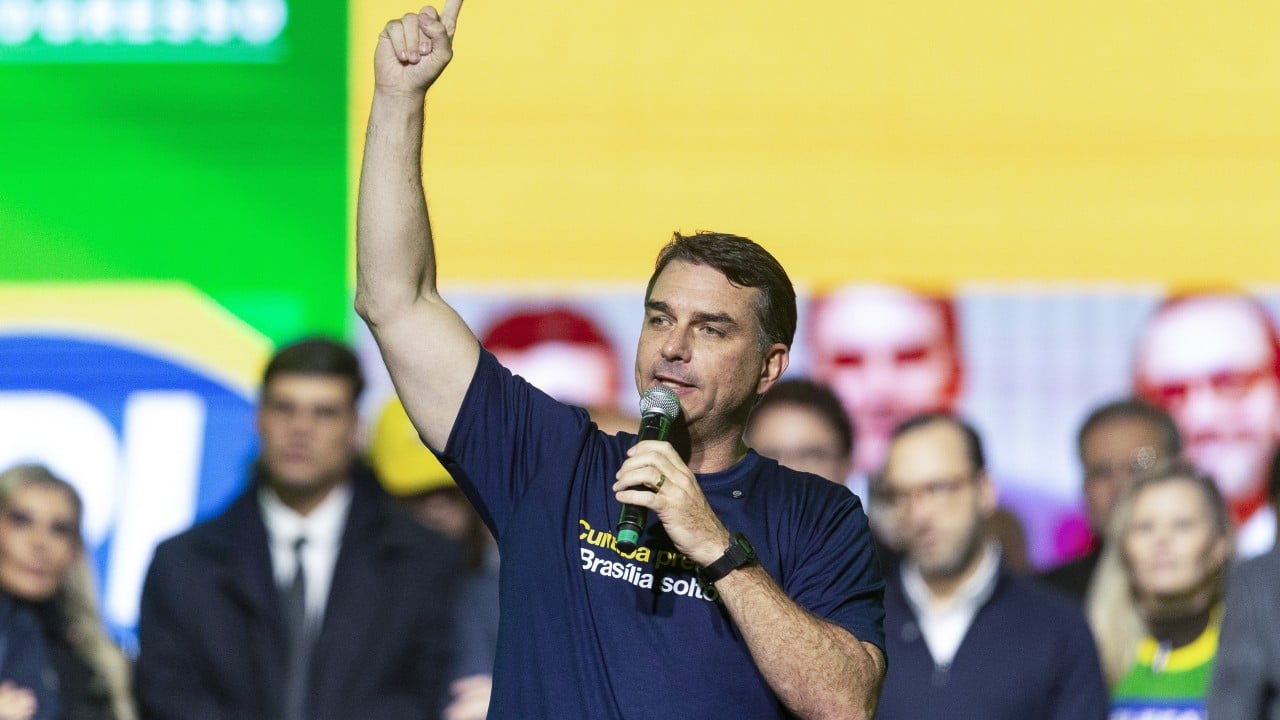
The timing is incredibly loud. This announcement landed just four months before Brazil’s highly polarized October presidential election. Incumbent leftist President Luiz Inácio Lula da Silva is facing off against right-wing Senator Flávio Bolsonaro. Flávio happens to be the son of jailed former President Jair Bolsonaro. He also happens to have met privately with US President Donald Trump in the Oval Office just two days before US Secretary of State Marco Rubio made the announcement.
This isn't just about global security. It's a calculated diplomatic maneuver that acts as a direct thumb on the scales of Brazilian domestic politics.
The Oval Office Connection and the Weaponization of Public Security
To understand how we got here, look at the timeline. Lula visited Washington earlier in May, spending three and a half hours discussing bilateral ties and explaining why labeling profit-driven criminal cartels as "terrorists" is a massive mistake. Lula argued that these groups lack political ideology and that a formal US terror designation threatens national sovereignty by opening the door to unilateral US actions.
Washington ignored him. Instead, they listened to Flávio Bolsonaro.
Flávio visited Washington, sat down with Trump, and explicitly asked for this designation to burnish his tough-on-crime credentials. His campaign had been reeling from domestic scandals involving a corrupt banker. He needed a massive political win. He got it.
By labeling the PCC and CV as terrorist organizations, the US gave the Bolsonaro campaign an incredible talking point. Flávio can now argue that the world's superpower views Brazil's security situation as a global emergency, directly hammering Lula's Achilles' heel: public security.
Expert analysts aren't holding back. Thomas Traumann, a prominent political analyst, noted that the move looks like direct meddling by the Trump administration to aid a key regional ally. Brian Winter, editor of Americas Quarterly, agreed that politics is the main driver here, meant to squeeze Lula and prop up Flávio before voters head to the polls.
The Real Route of Brazilian Cocaine
There's a gaping logical hole in the US justification for these sanctions. Marco Rubio claimed these groups extend their illicit networks directly into the United States. But criminologists and data tell a totally different story.
Carolina Grillo, a sociology professor at Fluminense Federal University and an expert on Brazilian organized crime, points out that the supply routes for cocaine entering the US run through Colombia, Mexico, and Central America. They don't run through Brazil.
In fact, more than 90% of the cocaine seized in Brazil is bound for Europe, not North America. The PCC, which originated in the São Paulo prison system in the 1990s, operates like a highly sophisticated multinational corporation. It launders billions through legitimate gas stations, perfume shops, and fintech firms, funneling product through West Africa and into European ports.
By applying an FTO designation to groups that primarily supply Europe, Washington is bending its own statutory rules to achieve a political outcome in South America.
Why Lula Is Furious
Lula slammed the decision, stating that Brazil will not accept being treated like a "banana republic." His top foreign policy adviser, Celso Amorim, welcomed international cooperation on money laundering but stated clearly that using terrorism as a "pretext for intervention is unacceptable."
Lula’s anger isn't just rhetoric. The FTO label carries heavy legal consequences that stretch far beyond the criminal underworld.
- Financial Chaos: It becomes a federal crime under US law to provide "material support" to these groups. Every international bank, multinational corporation, and financial services company operating in Brazil now faces staggering legal risks. If a bank accidentally processes a transaction tied to a shell company owned by the PCC, they risk being cut off from the US financial system.
- Fear of Military Action: The Trump administration has increasingly relied on aggressive tactics against Latin American cartels, including launching lethal missile strikes against drug-running boats in international waters. Brazilian officials genuinely fear that this terror label could be used to justify unilateral US operations within South American maritime boundaries or airspace.
Lula previously saw a surge in the polls when he defended national sovereignty against US import tariffs. This time, defending sovereignty is much tougher. He has to convince voters that he's fighting crime effectively while simultaneously fighting off Washington's narrative that his country is overrun by international terrorists.
If you are doing business in Brazil or managing supply chains in South America, you need to audit your compliance immediately. The legal landscape shifts radically on June 5. Do not wait for a compliance audit to catch a connection to an obscured Brazilian entity. Ensure your legal teams are reviewing all third-party vendors and local financial partners to clear any exposure to the newly designated organizations.