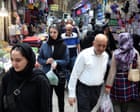
Runaway inflation doesn't ask for your political affiliation. In Tehran right now, ordinary citizens aren't talking about geopolitical strategy or high-level nuclear deals; they're figuring out how to afford staple foods as vegetable oil prices spike nearly 400% in a single year.
Washington just rolled out another heavy-handed financial offensive. Treasury Secretary Scott Bessent branded the latest move "Operation Economic Outcast," aiming to completely sever the regime from international financial networks and choke off the remaining channels funding the Islamic Revolutionary Guard Corps. But if you talk to people living through the daily grind inside the country, these grand policy announcements feel largely detached from the slow-motion disaster already happening on the ground.
The Reality Behind the Numbers
For years, ordinary Iranians have absorbed the brunt of compounding currency depreciation, closed petrol stations, and collapsing purchasing power. The local currency's freefall means families routinely cut back on essentials. Demand for red meat plummeted dramatically over the past year, replaced entirely by cheaper carbohydrates or skipped meals.
Medical shortages are rampant. Essential treatments require navigating a shadow market where prices are inflated beyond recognition. When a biomedical engineer or a local teacher tells you that buying a car is a distant fantasy because they are just trying to scrape together enough money for basic groceries, you realize statistics on a Washington press release only tell half the story.
The regime responds with old scripts. Leaders cast the internal struggle as a patriotic defense against foreign hostility, urging citizens to cut fuel consumption and endure hardships as part of a wider conflict. It's a convenient narrative for a government that would rather blame external enemies than address systemic mismanagement. Yet, citizens know who bears the weight of both state corruption and foreign pressure.
Why Operation Economic Outcast Changes Little
The new US strategy relies heavily on secondary sanctions, targeting digital assets, technology, gold, aviation, and shipping networks. Washington has given international trading partners strict timelines to wind down business with Tehran or risk getting cut off from Western financial systems.
Critics of these sweeping measures point out a glaring flaw. When an economy is already suffocating under years of isolation, piling on more restrictions yields diminishing returns. Iran's leadership has spent decades mastering the art of sanctions evasion, routing oil through shadowy maritime networks, and relying on regional partners to keep state coffers barely functioning.
Major buyers like China continue to push back against Washington's directives, arguing that bilateral trade complies with international norms and operates outside unilateral jurisdiction. Because global enforcement leaks like a sieve, black-market middlemen always find a margin.
The Domestic Fallout and What Comes Next
The ultimate burden doesn't fall on military commanders or elite bureaucrats. It falls on households rationing medicine and patching up old clothes instead of buying new ones. The regime watches the home front closely, fearing that economic grievances will spill over into wide-scale social unrest similar to past uprisings. Security forces stay primed to clamp down instantly on dissent, prioritizing regime survival over public welfare.
Diplomacy remains stalled. With Washington offering little more than deeper economic isolation and Tehran threatening financial retaliation, the cycle of mutual hostility spins faster.
If you're watching this crisis unfold, stop expecting a sudden economic breakthrough or a neat diplomatic resolution. The standoff continues because neither side wants to blink, leaving millions of ordinary people caught directly in the crossfire.


