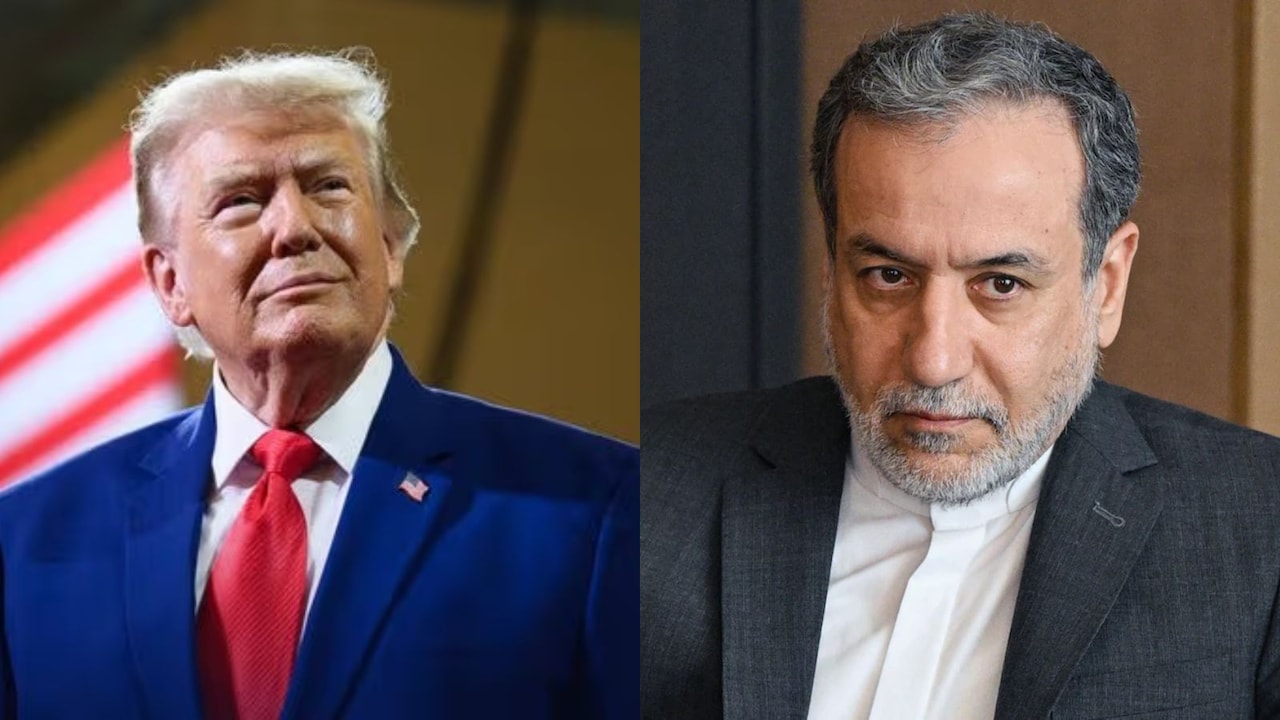
Geopolitical posturing often descends into petty bureaucratic theater. When the United States claimed it forced two Iranian diplomats out of New York following the United Nations General Assembly, Tehran immediately fired back. Iranian Foreign Minister Abbas Araghchi called the claim a "fake expulsion" that reeks of desperation. Behind this verbal sparring lies a much larger diplomatic breakdown.
Let's look at what actually happened behind the scenes.
The Battle of Exit Timelines
The friction started when Washington directed the Iranian delegation to pack up and leave New York immediately after the UN General Assembly. According to U.S. officials, the entire mission received a strict order on September 28. Most of the delegation complied, but two members stayed behind.
American officials seized on this delay. They claimed these individuals ignored multiple warnings and had to be physically escorted or formally forced out before they finally departed on early October mornings. For Washington, framing this as an expulsion serves a clear purpose. It projects authority. It sends a message that diplomatic channels aren't immune to hardline enforcement when negotiations hit a brick wall.
Tehran's counter-narrative hits back just as hard. Araghchi didn't mince words, arguing that boasting about a manufactured expulsion shows weakness rather than strength. From Iran's perspective, the officials left on their own terms as scheduled travel plans allowed, making the American declaration a cheap propaganda win.
Why This Minor Scuffle Matters Now
You might wonder why anyone should care about a couple of delayed plane tickets. The truth is that diplomatic expulsions—real or rumored—rarely happen in a vacuum. They act as pressure gauges for underlying tensions.
Right now, bilateral channels are practically frozen. Talks have stalled completely, military postures in the wider region remain tense, and economic pressure continues to mount. When formal negotiations fail to yield any progress, both sides resort to symbolic victories. Washington wants to show domestic and international audiences that it is tightening the screws on Tehran. Tehran needs to project defiance to keep up appearances at home, especially when economic strains and domestic discontent are constantly bubbling beneath the surface.
Taking pride in minor administrative friction exposes how thin the ice is. If governments are trading barbs over whether two staffers caught a later flight, genuine diplomatic breakthroughs are nowhere in sight.
The Information War Escalates
We are watching a classic playbook unfold. The physical conflict gets matched stride for stride by an aggressive information war. Every minor visa delay, delayed departure, or protocol violation gets blown up into a major geopolitical victory or dismissed as a childish lie.
Look closely at how both capitals handle these incidents. They feed them straight to friendly media outlets to test reactions. U.S. officials leak details about ignored directives to signal zero tolerance. Iranian ministers use social media platforms to mock the announcements instantly, cutting off the narrative before it gains traction.
This dynamic leaves very little room for quiet, effective diplomacy. When every routine visa dispute turns into a public media slugfest, compromise becomes politically toxic for both sides.
Keep an eye on how these small friction points multiply. They are usually the early warning signs of deeper policy shifts. If routine United Nations attendance turns into a logistical minefield, future international summits will only get more hostile. Expect more public posturing, fewer backchannel agreements, and plenty of rhetorical counter-punches as both governments dig in for a long standoff.