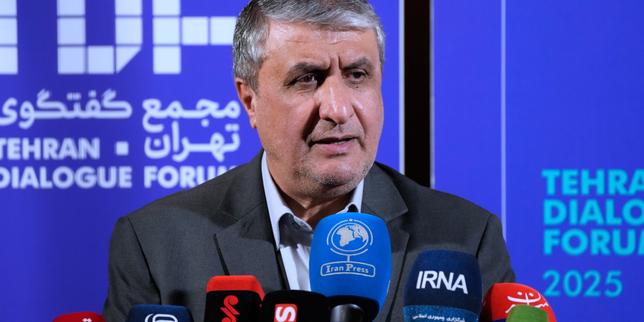
Diplomacy rarely breaks down quietly. Sometimes it happens with a single denied visa and a locked door in Vienna.
When Mohammad Eslami packed his bags for Austria, he expected to represent Tehran at the International Atomic Energy Agency. He never made it. United States pressure turned a routine ministerial trip into a high-stakes diplomatic standoff. Washington didn't blink, and Vienna didn't push back.
The Mechanics of a Diplomatic Shutdown
Eslami heads the Atomic Energy Organization of Iran. He planned to board a regular flight to Austria alongside his delegation. That plan collapsed before takeoff. US officials made it clear that exemptions wouldn't be granted. Because Eslami sits squarely on United Nations sanction lists reinstated through previous snapback mechanisms, Western capitals held all the cards.
US Energy Secretary Chris Wright laid out the position without diplomatic sugarcoating. Washington refused to let sanctioned individuals bypass international restrictions under the guise of multilateral meetings. Austria complied. The Iranian delegation found themselves grounded before their wheels could even touch European soil.
This wasn't just about a missed conference. It was a calculated display of economic and political clout designed to isolate Tehran's top scientific minds.
Why This Meeting Mattered
Vienna serves as the beating heart of global nuclear oversight. Whenever IAEA gatherings convene, the stakes are exceptionally high. Iran has been dancing around inspection requests, hiding centrifuge components in deep mountain bunkers, and facing severe scrutiny over its enriched uranium stockpiles.
Eslami's presence would have given Tehran a direct pulpit to contest these allegations. By barring him, Western powers effectively silenced Iran's primary official voice on the ground. It signals a shift away from dialogue and toward absolute containment. When you block the chief negotiator from the table, you're sending a loud message about your willingness to compromise. Spoiler alert: the willingness is zero.
The Fallout in Tehran and Beyond
Tehran reacted with predictable fury. State media blasted the move as an illegal obstruction orchestrated by Washington and its regional allies. Iranian officials argued that weaponizing international organizations against sovereign delegations destroys the foundational purpose of the United Nations.
Yet, the protest fell on deaf ears in European capitals. The timing couldn't be worse for regional stability. Just days before the Vienna blockade, the IAEA formally referred Iran's non-compliance issues back to the Security Council. Oil markets jittered. Maritime routes in the Persian Gulf faced ongoing threats. Every diplomatic channel seems jammed or cut entirely.
Living on the Edge of Breakdown
We are watching the remnants of the old nuclear agreement dissolve into raw confrontation. Economic pressures inside Iran are mounting. Inflation hurts everyday citizens buying groceries in Tehran, while hardliners in parliament demand tests for atomic deterrence.
When doors close in Vienna, they tend to stay shut for a long time. There's no soft landing here. Both sides are doubling down on confrontation, and ordinary channels of communication are vanishing by the day.


