Silence.
It sounds peaceful in a library or a pine forest at dawn, yet inside a government building when a leader suggests that unauthorized disclosures to the press merit execution, silence turns heavy, metallic, and suffocating. You hear the hum of fluorescent lights. You hear the tap of shoes on linoleum that suddenly sound like boots marching down a corridor. You watch people who used to linger by the coffee machine grab their mugs and retreat behind closed doors, their eyes darting toward the hallway before they even sit down.
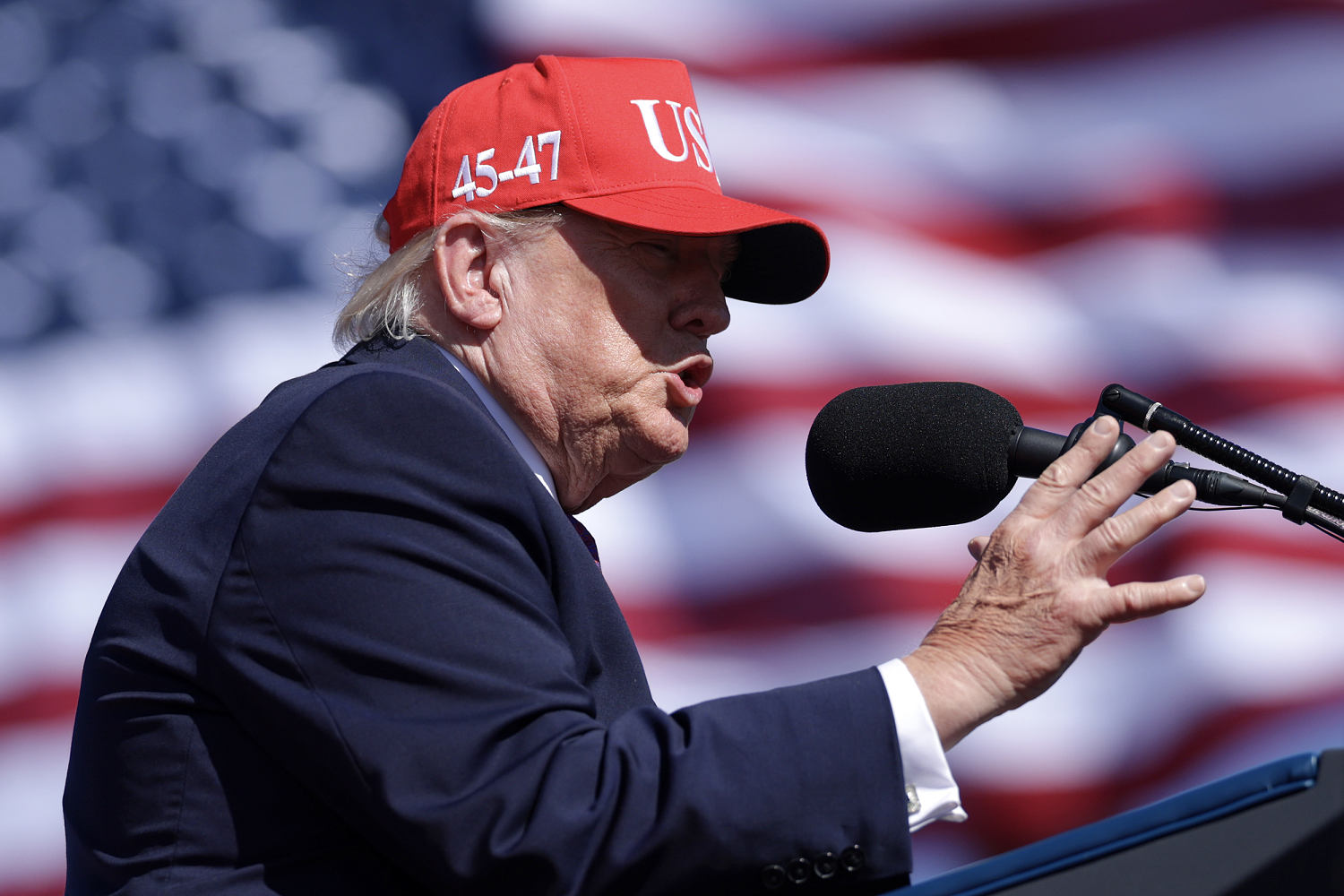
This is the emotional reality behind a headline that ought to stop any citizen cold: Donald Trump saying that government officials who leak information to the media "should be shot."
To some ears, it lands as bluster, dark humor, or rhetorical exaggeration from a politician known for provocative speech. Maybe he didn't literally mean a firing squad. Maybe it was applause-line hyperbole meant to vent frustration at stories that embarrassed an administration or complicated a strategy. I want to believe that gives us a clean exit ramp. I catch myself wondering if I am overreacting to words spoken in the heat of a speech or a social post, whether treating every outrageous line as a constitutional crisis wears everyone out.
Yet words spoken from high office do not evaporate into thin air. They alter the weather inside institutions. They reshape what ordinary civil servants believe is permissible, what reporters must protect, and what the public ever gets to know about power exercised in its name.
The Weight of a Threat Inside Marble Halls
Consider a hypothetical scenario. Imagine a mid-level analyst—let's call her Elena—working in a federal agency that tracks public safety or regulatory compliance. Elena is not a political operative. She does not care who sits in the Oval Office or which party holds Congress. She cares about data integrity, statutory rules, and whether a policy change will quietly harm people who never read the Federal Register.
One afternoon, a draft directive crosses her desk. The numbers inside it have been massaged to make a risky gamble look safe, or a warning from career scientists has been stripped out before the document reaches the public. Elena has spent ten years learning how government works from the inside. She knows the difference between a legitimate policy disagreement—where reasonable people argue over priorities—and a deliberate attempt to hide danger or mislead the public.
Now place Elena in the room when she hears that officials who leak to journalists "should be shot."
Even if she knows, rationally, that a prosecutor cannot simply order someone executed for talking to a reporter, her nervous system does not run on constitutional law textbooks. It runs on threat detection. Her palms sweat. Her stomach tightens when her phone buzzes. A phrase like "should be shot" acts like a loud bang in a quiet room: it doesn't have to hit you to make you flinch, and once you flinch, you start calculating risk differently.
In bureaucracies, fear rarely announces itself with dramatic speeches. It creeps in through small adjustments. A folder stays closed. A memo gets softened so nobody gets blamed. A junior staffer decides it is safer to look away than to ask why a safety review was skipped. Multiply that hesitation by thousands of people across dozens of agencies, and you begin to see how intimidation chills truth long before a single indictment is filed.
Why Leaks Exist Beneath the Official Story
To understand why threats against leakers strike at democratic accountability, we have to look past the caricature of the scheming "deep state" saboteur. In real life, information escapes government offices for messy, human, and often conflicting reasons.
Sometimes a leak is petty or self-serving. A bitter aide wants to wound a rival before leaving town; a faction inside an agency wants to blow up a compromise it dislikes. Anyone who has spent time near politics or large organizations knows that not every anonymous source wears a white hat. Reporters know this too, which is why serious journalists spend hours cross-checking claims against documents, timelines, and second sources before publishing a single word.
Other times, however, a leak is the only pressure valve left in a system where normal channels have failed. Think of it like a pressure gauge on a steam boiler. The gauge isn't causing the heat inside the tank; it is registering that pressure is building past safe limits. Smashing the gauge—or threatening the person reading it—does not cool the water. It just leaves everyone blind until something blows.
History gives us plenty of examples where unauthorized disclosures exposed truths that official press releases tried to bury. Over decades, across administrations of both parties, reporters have relied on insiders to reveal illegal surveillance, botched military operations, suppressed health findings, and abuses of public trust. Even when an administration insists a disclosure harmed national security or disrupted negotiations, the public has a stake in knowing when officials cross legal or ethical lines behind closed doors.
Consider what happens next: when a leader frames all unauthorized communication with the press as treasonous or worthy of death, the distinction between malicious sabotage and good-faith whistleblowing gets deliberately blurred. Every inconvenient story becomes a crime scene. Every source becomes an enemy combatant.
The Invisible Line Between Order and Intimidation
Government officials take oaths to uphold the Constitution, not to serve as personal cheerleaders for whoever currently holds power. They also handle genuinely sensitive information—troop movements, covert operations, intelligence sources, private citizen records—that truly can endanger lives if exposed recklessly.
Holding people accountable for mishandling classified or dangerous material is a standard function of law. Federal statutes already exist to prosecute espionage, unauthorized disclosure of classified information, and breaches of duty. Courts, inspectors general, and congressional committees have established mechanisms to investigate leaks and punish wrongdoing through due process.
Threatening that leakers "should be shot" steps right past due process into the language of political violence.
That shift matters deeply in a republic built on consent and law. When leaders use violent imagery against critics, reporters, or civil servants, they lower the guardrails around civic life. Maybe a supporter laughs along at a rally, treating the remark as tough talk against media elites. Yet out in the wider world, unstable people take violent rhetoric literally, while institutional actors take it as permission to play rougher.
I have seen how quickly norms erode when people start excusing extreme language as "just joking" or "just venting." At first, the shock is sharp. Then people get tired. By the third or fourth time a boundary is crossed, the shock dulls into shrug-inducing routine. That numbing is one of the most dangerous stages of political decline, because citizens stop noticing how far the baseline has moved.
What Reporters and Citizens Actually Lose
When officials are terrified of speaking to journalists, the damage doesn't stop at the press corps. Journalists are conduits, not the ultimate beneficiaries of accountability. You are.
Think of investigative reporting like a flashlight in a dark basement. You don't need the flashlight for itself; you need it so you can see whether there is water on the floor, a frayed wire near the furnace, or someone tampering with the breaker box. If the person holding the flashlight is told they might be shot for shining it in certain corners, the basement goes dark—and the people in charge decide what you are allowed to believe is down there.
Without insider context, official narratives become much easier to polish. A press release can sound calm, thorough, and triumphant even when internal emails show chaos and warning signs ignored. A budget cut can be framed as "streamlining" while frontline workers quietly watch essential services hollow out.
Even more subtly, a climate of fear distorts the public record over time. Historians, journalists, and citizens rely on candid accounts to understand how decisions were really made. When fear silences everyone except loyalists reading from a script, the official story grows smooth, unchallenged, and suspiciously neat.
And what happens to the honest public servant who stays? Many leave early for private consulting or quiet retirement, taking institutional memory with them. Those who remain often learn a defensive crouch: keep your head down, put nothing risky in writing, and never stick your neck out. An institution full of people keeping their heads down is rarely at its sharpest or most courageous.
Beyond Partisan Scorekeeping
It is tempting to view a statement like this purely through a partisan lens—to cheer if you dislike the speaker, or roll your eyes and defend him if you like his policies. Both reactions miss the bigger stakes.
Power changes hands. Every political movement eventually faces moments when insiders grow uneasy, when mistakes happen behind closed doors, or when a leader demands loyalty above truth. A norm that treats leaks as capital offenses—even rhetorically—weakens democratic checks for everyone over the long haul.
You do not have to love every anonymous source or agree with every headline to recognize that threatening lethal force against government leakers crosses a line that a free society cannot afford to normalize. Robust debate requires breathing room. Accountability requires people who are willing to tell the truth even when it costs them comfort, standing, or safety.
Picture a hallway outside a government office late on a rainy evening. A staffer stands near a window with a phone in hand, weighing whether to return a reporter's call about a policy that could hurt families across the country, while the echo of a leader's violent threat still hangs in the air. That quiet moment—between conscience and fear—is where democracy is tested every single day.


