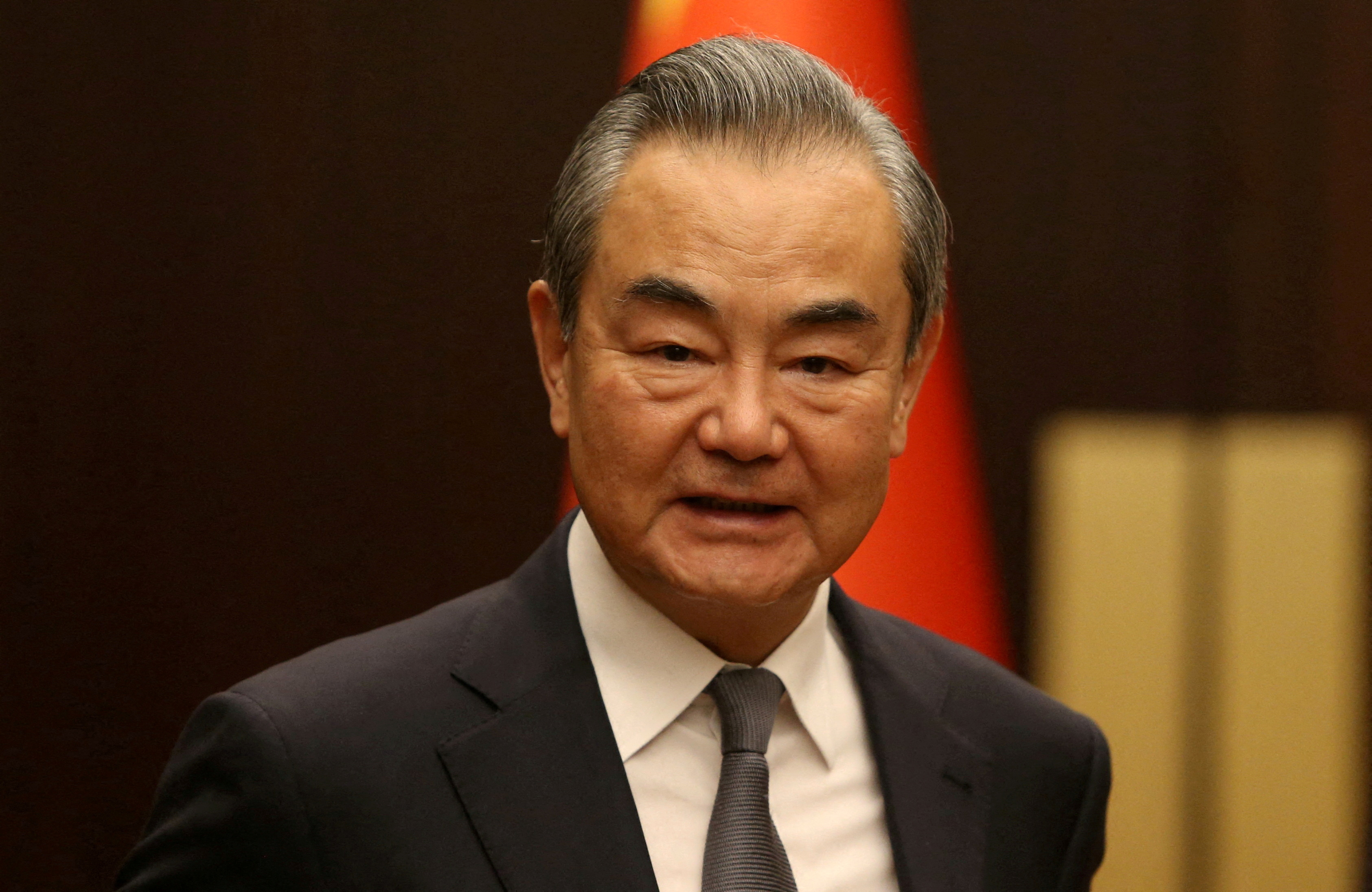
When Chinese Foreign Minister Wang Yi sat down with Israeli President Isaac Herzog in Baku during the CICA summit in mid-October 2026, the polite handshakes hid some sharp edges. Beijing didn't just issue a routine diplomatic talking point. Wang urged Israel to stop the "forced establishment" of settlements in the West Bank and reopen access to the Gaza Strip, calling the Palestinian issue the greatest historical injustice of this century.
At first glance, it sounds like standard great-power posturing. Look closer, though, and you see a calculated squeeze. China is balancing a 25-year strategic partnership with Iran, deep economic ties across the Gulf, massive trade links with Israel, and its own push to look like a serious Middle East broker where Washington faces friction.
Why This Baku Meeting Matters Right Now
Diplomats meet on the sidelines of summits like the Conference on Interaction and Confidence-Building Measures in Asia all the time. Most of those chats produce forgettable readouts. This one stood out because of the timing and the blunt phrasing.
Wang met Herzog in Baku—right after talking with Palestinian Foreign Minister Varsen Aghabekian Shahin—and framed Beijing's demands around two concrete moves: halting forced settlement expansion in the West Bank and opening Gaza routes. That language hits harder than generic calls for "restraint." Calling settlement activity a "forced establishment" signals that Beijing views current facts on the ground as a direct obstacle to any viable two-state outcome.
At the same time, Herzog didn't walk out or blow up the channel. According to reports from the talks, he acknowledged Israel's desire for peace while pointing to intense national security threats—especially involving Iran and regional proxies—that Israel argues require tough operational responses. He also signaled that Israel takes Beijing's initiatives seriously and wants to keep communication and trade open.
That tension captures the whole dilemma. Both sides need something, yet neither can simply give the other what it wants without paying a political price at home.
Beijing's Balancing Act Between Tehran, Riyadh, and Jerusalem
If you read China's Middle East moves purely as pro-Palestinian solidarity, you're missing half the chessboard. Beijing plays a multi-track game, and honestly, it's a tightrope walk.
- The Iran factor: China signed a 25-year comprehensive strategic partnership agreement with Iran in 2021. Pushing Israel on Gaza and the West Bank aligns neatly with Tehran's regional messaging, even as Beijing urges dialogue rather than military escalation amid broader US-Iran tensions.
- Gulf and Arab credibility: Over the past decade, China has built major economic and diplomatic capital with countries like Saudi Arabia, Qatar, and the UAE, alongside neighbors like Egypt. Strong language on Gaza and settlements helps Beijing stay aligned with Arab capitals that view territorial expansion and humanitarian restrictions as non-starters.
- Commercial pragmatism: Despite sharp rhetoric, China remains a top trading partner for both the United States and Israel. Beijing rarely burns economic bridges completely when quiet commercial channels still pay off.
What trips people up is assuming China can simply dictate terms to Jerusalem or Tehran. It can't. As analysts at ThinkChina have pointed out, China has to weigh its pressure against its broader ties with Iran, while Tehran makes its own security calls. Meanwhile, Israel's room to maneuver on sensitive tech cooperation with China is already boxed in by US export controls and geopolitical pressure.
Why West Bank Settlements and Gaza Access Are Linked in Diplomatic Talks
A lot of casual observers treat Gaza and the West Bank as separate files—one about war and aid corridors, the other about land disputes and outposts. In serious diplomatic negotiations, they bleed into each other constantly.
When Wang pressed Herzog to stop forced settlement creation and open Gaza access, he was tying humanitarian relief in Gaza to territorial preservation in the West Bank. If Gaza remains cut off and settlement construction accelerates in the West Bank, diplomats argue that political credibility for any long-term settlement evaporates.
You can see how sensitive this has become beyond Beijing, too. Reporting from The Guardian in mid-November 2026 highlighted how West Bank building plans—such as contracts in the contested E1 area—can trigger severe international backlash and sanctions pressure, while testing coalition politics inside Israel. For any Israeli government trying to manage coalition partners while keeping international friction manageable, settlement policy and Gaza humanitarian access aren't minor footnotes. They're political landmines.
What Most Headlines Miss About China as a Mediator
Let's be real: Beijing isn't replacing Washington overnight in Middle East security. Anyone claiming China has suddenly become the decisive arbiter of Israeli-Palestinian peace is overstating things.
Why? Because real leverage in a security crisis depends on military guarantees, intelligence, and regional deterrence—areas where the US still carries massive weight, even amid domestic political shifts and regional turbulence. China's main tools are economic scale, diplomatic convening power, and rhetorical pressure.
Still, dismissing Beijing's role is a mistake, too. When China speaks directly to both Israeli leaders and Palestinian officials, as Wang did around the Baku summit, it shows that regional actors have more diplomatic venues than they used to. Even if China's leverage on Israel's security decisions is limited, its voice matters in shaping broader Global South and Asian consensus—and in signaling where major powers are drawing lines.
How to Track Whether These Talks Actually Change Anything
Diplomatic statements are easy to publish. Real shifts show up in boring, concrete details over the weeks that follow.
- Watch humanitarian access metrics in Gaza: Look past press releases to see whether aid trucks, medical supplies, and commercial routes actually expand or stall on the ground.
- Track West Bank approvals and tenders: Pay attention to concrete administrative steps—like tender delays, new outpost approvals, or legal interventions—rather than speeches alone.
- Follow coalition and regional signals: Watch how Israeli coalition talks handle humanitarian and settlement files, and see whether Gulf states and European capitals echo or push back on the same pressure points.
- Separate trade noise from strategic alignment: Don't confuse routine bilateral trade or diplomatic courtesy with a major strategic breakthrough between Beijing and Jerusalem.
Forced Settlement Expansion in the West Bank Must Be Stopped
This short clip gives a quick visual recap of the Baku exchange highlighting Beijing's demand to halt forced West Bank settlement expansion.