History has a funny way of wearing old clothes.
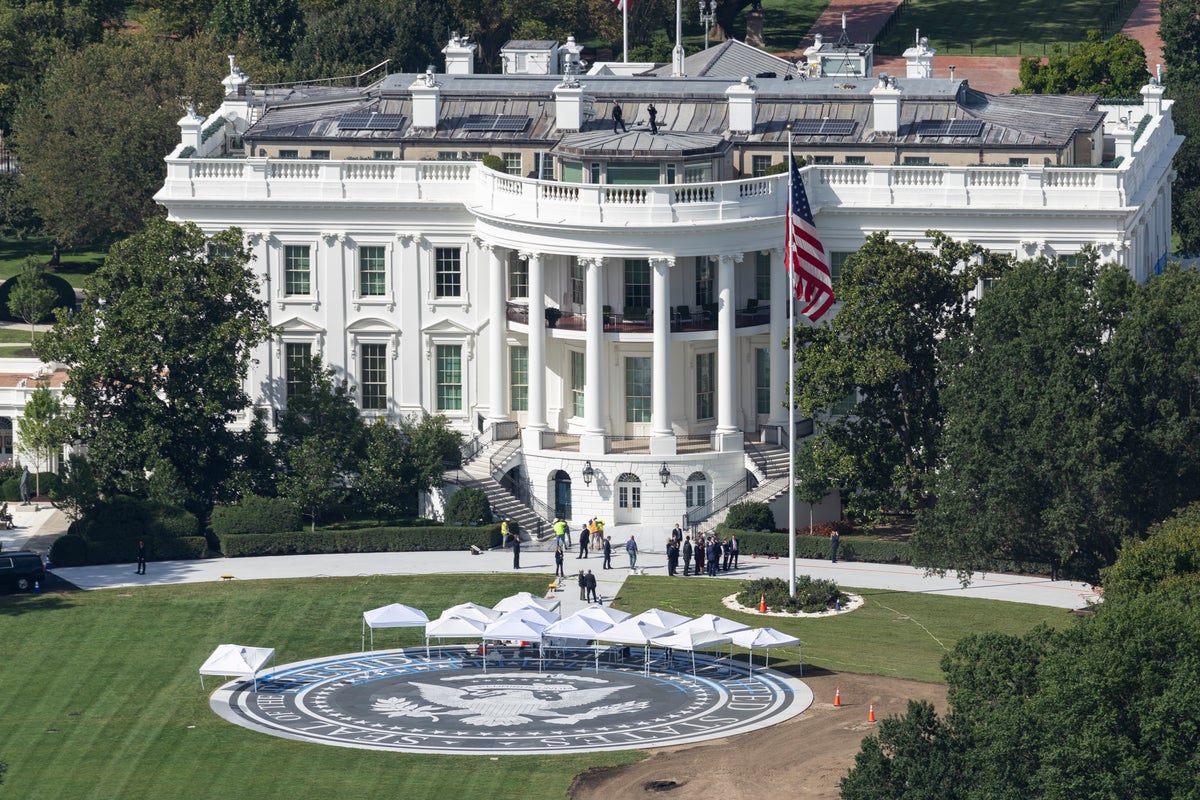
Step inside a building that has stood at the center of the world for more than two centuries, and you can almost hear the floorboards breathe. Every American president since John Adams has walked these corridors, dragging the weight of global crises across carpets that have seen empires rise and fall. Yet, beneath the grand portraits and the polished mahogany lies an older, quieter truth: the Executive Mansion is an aging, drafty historic monument masquerading as a modern workplace.
Years ago, a sharp-tongued observation cut through the usual bureaucratic reverence. To a man accustomed to the gilded luxury of private golf clubs and velvet-draped penthouses, the historic living quarters of the 16th President's neighborhood looked less like a seat of supreme power and more like a humble, outdated relic.
He called it a dump.
The phrase stung. It offended historians, infuriated preservationists, and triggered a wave of pearl-clutching across cable news. How could anyone speak so disrespectfully of sacred national real estate? But peel back the shock value of the headline, and a simpler, more human reality emerges. Anyone who has ever tried to modernize an old, drafty house knows the exact feeling. Old pipes leak. Outdated wiring hums with potential hazard. Paint chips beneath the surface. When you strip away the mystique of the Oval Office, you are left with an enormous, crumbling federal boarding house that requires a massive team of curators and engineers just to keep the roof from leaking.
Consider what happens when private luxury crashes headfirst into public history.
For decades, the public has viewed the White House through a romanticized lens, thanks in no small part to television dramas and glossy magazine spreads. We picture immaculate white columns, pristine lawns, and timeless elegance. We rarely picture the reality behind the scenes. Ask any historic home renovator about the nightmare of upgrading a landmarked structure, and they will tell you about the invisible battles. You cannot simply knock down a wall to install modern HVAC ductwork when that wall was plastered during the Truman administration—or worse, reconstructed entirely after the British burned it down in 1814.
When a multi-million-dollar renovation plan is announced, the reaction is predictable. Critics howl about excess. Supporters talk about necessity. But the deeper narrative is about identity. What do we want our national home to say about us?
Do we want it to reflect the unchanging grit of the past, preserved in amber regardless of its practical shortcomings? Or do we want it to adapt, wearing modern comforts beneath its historic facade?
To understand the tension, imagine standing in the West Wing basement on a humid Washington D.C. July afternoon. The air conditioning strains against humidity that has soaked into the bricks since the Civil War. Down the hall, a staffer rushes past with a stack of briefing papers, dodging a maintenance worker trying to fix a stubborn valve that has been groaning since the Eisenhower era. This is not a temple of marble tranquility. It is a high-stakes, frantic office space operating inside a museum.
When previous commanders-in-chief have attempted to leave their mark on the interior, the friction has always been immediate. Jacqueline Kennedy famously transformed the decor into a monument of historical refinement, curating priceless antiques to elevate the dignity of the office. Decades later, another administration might swap out the rugs, bring in brighter wallpaper, or update the private dining room furniture to match contemporary tastes. Every single brushstroke and furniture choice becomes a public referendum on the occupant's character.
Do they respect the institution, or are they just redecorating a rental property?
The truth is, they are doing both.
The White House belongs to the American public, but it must function as a home and a high-security command center for whoever happens to hold the lease for four to eight years. That tension creates a unique psychological pressure cooker. Imagine moving into a house where millions of strangers scrutinize the color of your curtains, the brand of your diet soda, and the condition of your wallpaper. Every scratch on the hardwood becomes a matter of public record. Every peeling layer of paint becomes an editorial about your management style.
So when complaints are hurled about the physical state of the building, they reveal a profound culture clash. Modern wealth builds frictionless environments—temperature-controlled, smart-wired, impeccably plush. Historic preservation, on the other hand, embraces friction. It honors the crack in the plaster because a famous signature was signed nearby. It preserves the uneven floorboards because Lincoln's boots once walked across them.
Bridging those two worlds takes a staggering amount of money, planning, and compromise.
Millions of dollars do not vanish into thin air during these overhauls. They go toward the invisible mechanics of survival. Upgrading subterranean security infrastructure. Replacing obsolete electrical grids that predate modern computing by decades. Remediation of aging materials. These are not glamorous line items for a campaign speech, yet they are the literal foundation upon which the executive branch stands.
History is heavy. Sometimes, it literally weighs down the ceiling.
When the dust settles on the latest round of renovations, the building looks largely the same from the outside. The white paint gleams against the summer sky. The Secret Service agents stand their quiet posts. Tourists snap photos through the wrought-iron fence, imagining the weighty decisions unfolding just behind the glass.
They do not see the new wiring hidden behind the wainscoting. They do not hear the quiet hum of modern climate control replacing the wheezing radiators of the past. They only see the symbol.
And perhaps that is the ultimate point. The White House is never just a house. It is a mirror reflecting how each generation views its own relationship with the past. Whether you see it as a majestic monument or an outdated relic depends entirely on whether you are looking at the history books or trying to fix the plumbing.
The walls remember everything. They have heard the whispers of panicked advisors, the laughter of children playing in the hallways, and the exasperated sighs of leaders wrestling with the fate of nations. Long after the current paint fades and the newest round of renovations becomes history itself, those walls will still be standing, guarding the secrets of a restless republic, waiting for the next resident to complain about the draft.