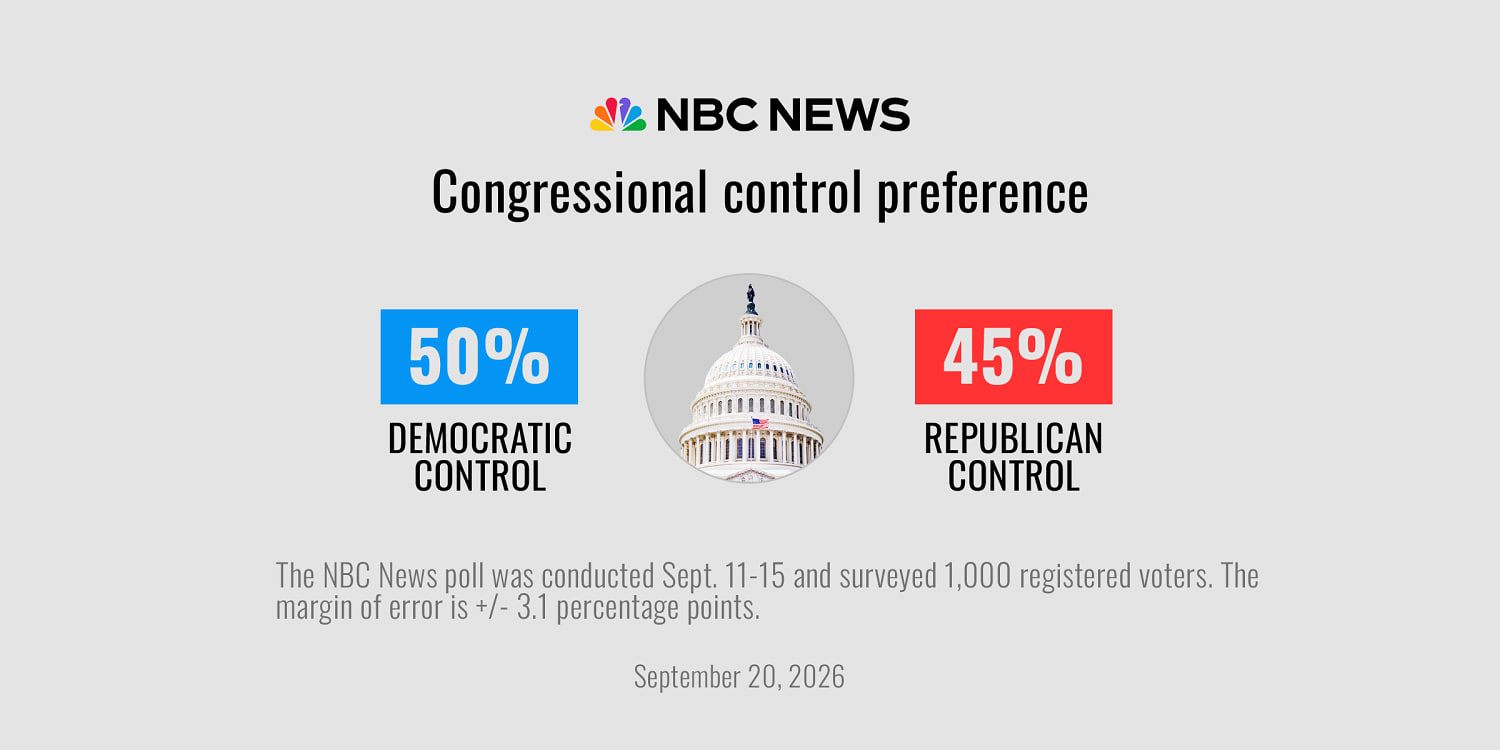
If you looked at the polling data leading up to the 2026 midterms, the writing was already clear on the wall. Voters didn't just express mild dissatisfaction with the White House; they delivered a blistering referendum on Donald Trump’s handling of the economy. From skyrocketing grocery bills to stubborn gas prices fueled by mounting trade tariffs and ongoing conflicts, Americans made it clear that their wallets were taking the brunt of federal policy.
When roughly 9 in 10 voters label the cost of living as a crucial factor in their choice for Congress, political spin loses its power. Trump spent months insisting at rallies that prices were coming down and that his administration had the situation under control. Yet, households facing a consumer price index climbing at an annual rate of 3.7% experienced a completely different reality. The disconnect between White House messaging and kitchen table arithmetic turned out to be the defining undoing for Republican candidates across the map.
The Real Cost of Tariffs and Foreign Policy Shocks
Economic anxiety didn't materialize out of nowhere. Voters felt the cumulative weight of aggressive trade barriers and geopolitical friction. The conflict involving Iran that escalated earlier in the year sent immediate shockwaves through global energy markets, driving up diesel and gasoline expenses. Instead of seeing relief, consumers saw everyday essentials climb out of reach.
To make matters worse, the administration repeatedly clashed with the Federal Reserve, attempting to pressure independent central bankers into slashing benchmark interest rates despite lingering inflationary pressures. Economists pointed out that this public bullying of the Fed only heightened market uncertainty. When voters headed to the polls, they weren't interested in theoretical economic growth; they were voting against financial burnout.
Why the Blue Wave Caught Washington Off Guard
While political analysts anticipated a tough midterm cycle for the party in power, the scale of the Democratic sweep caught many by surprise. Democrats flipped control of both the House and the Senate, fueled largely by suburban and rural voters who felt left behind.
Polling data from major exit surveys showed that roughly two-thirds of voters believed Trump lacked the right priorities for the country. Worse for the administration, voters rejected the idea that the executive branch was operating with proper checks and balances. About 7 in 10 respondents—including a significant chunk of disaffected Republicans—felt Congress wasn't doing enough to check presidential overreach. That sentiment directly translated into votes for opposition candidates who promised legislative guardrails.
What Happens When Gridlock Meets a $2 Trillion Deficit
Now that Washington is divided with a Republican White House facing a Democratic-controlled Congress, the political dynamics have shifted entirely. Surprisingly, financial experts suggest that this exact gridlock might actually benefit the economy in one major way: it gives the Federal Reserve breathing room.
With a Democratic Senate positioned to block executive appointments to the central bank board, political interference with monetary policy is effectively sidelined. This leaves Fed leadership free to tackle inflation without White House interference.
However, the structural problems haven't vanished. The federal government continues to borrow roughly $2 trillion annually, with interest payments on the national debt surpassing $1 trillion—outstripping military spending. Treasury officials have floated fiscal consolidation plans, but neither party ran on genuine spending discipline. Defense budgets keep expanding while key subsidy programs remain a political tug-of-war.
Voters sent a loud message that they expect financial relief and stability. How Washington responds over the next two years will dictate whether this electoral shift becomes a permanent realignment or just a temporary warning shot.