The Weight of an Unheard Name
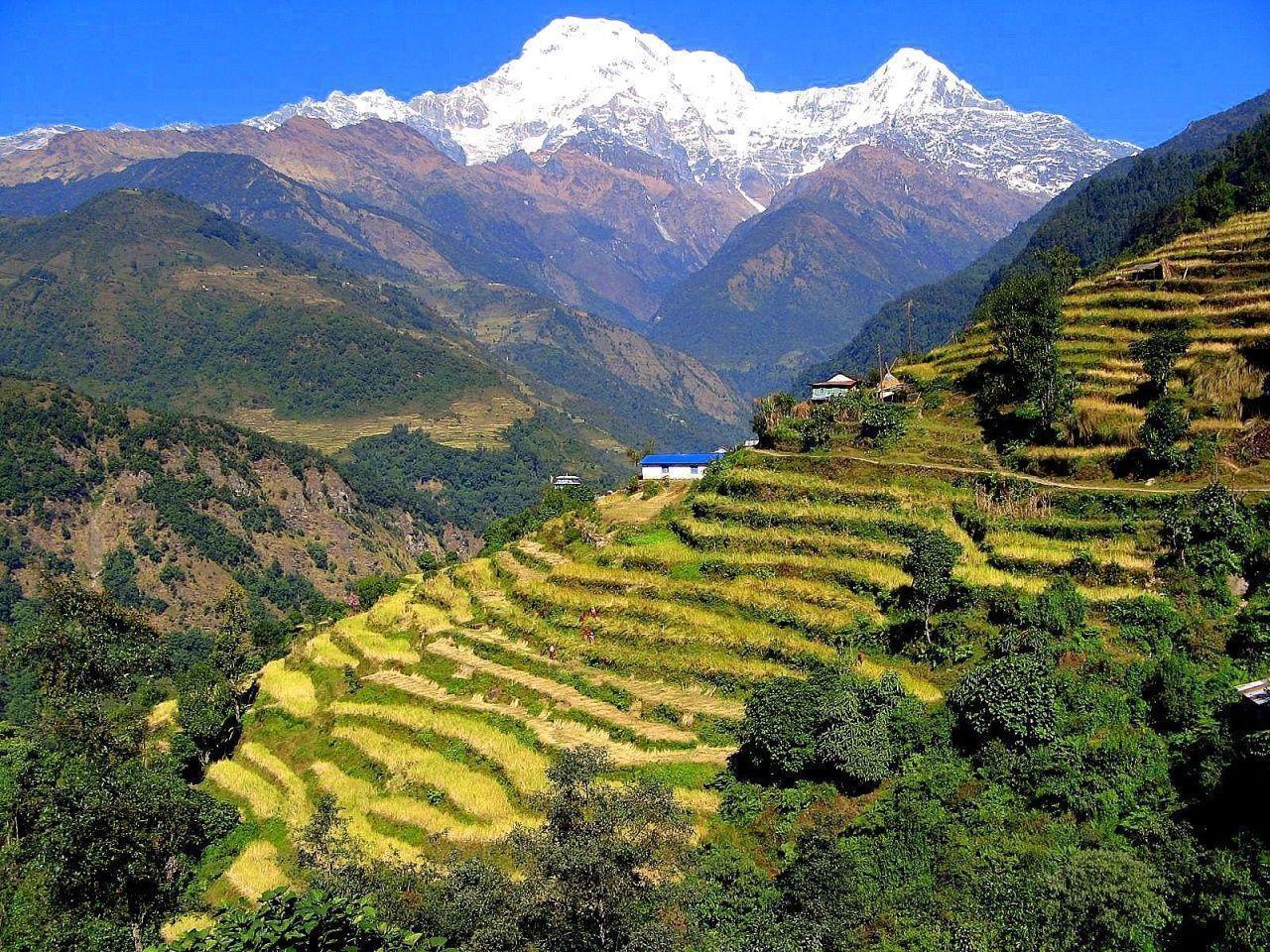
Mist clings to the jagged peaks of the Himalayas like a shroud, hiding more than just the physical contours of the earth. It hides lives. It hides stories that refuse to stay buried, no matter how thick the fog or how heavy the boots of those who try to silence them.
In Geneva, where diplomatic velvet cushions the hard edges of international politics, the air smells of old paper and cautious compromise. Delegates adjust their ties, sip lukewarm coffee from porcelain cups, and debate the fate of distant territories with abstract detachment. But every so often, a voice cuts through that sterile calm with the raw urgency of a cracked bell.
Tasleema Akhter raised that kind of voice.
She did not speak in the hushed, polite tones reserved for committee rooms. She spoke of Pakistan-administered Jammu and Kashmir, a region too often treated as a geopolitical footnote rather than a home for breathing, bleeding human beings. When she pointed toward the situation unfolding across those disputed valleys, she was not offering dry statistics. She was naming an ongoing, quiet erosion of dignity.
Consider what happens when a community is rendered invisible. You stop seeing the faces behind the checkpoints. You stop hearing the midnight knocks on doors that leave families trembling in the dark.
Akhter stood before international observers to drag those hidden realities into the light. She spoke of arbitrary detentions, of activists whose only crime was demanding basic human rights, and of a systemic silencing designed to break the collective will of a population. These are not mere diplomatic talking points. They are human fractures.
The Geography of Fear
To understand the weight of her words, you have to look past the maps with their clean, colored lines. On paper, borders look permanent. On the ground, they are barbed wire and uncertainty.
Imagine walking down a dirt road in Muzaffarabad or Mirpur, knowing that a single critical post on social media or a whisper of dissent at a local tea stall could invite unwanted attention. That is the reality described by human rights defenders who monitor the region. Surveillance is not a futuristic concept there; it is the weather. It is the constant hum of anxiety that dictates how loud you laugh, whom you talk to, and what books you keep on your shelf.
Activists like Akhter carry a terrifying burden. They carry the testimonies of people too frightened to speak for themselves. When a mother whispers about a son taken without a warrant, or when a journalist describes being beaten for reporting on local protests, those accounts do not vanish into thin air. They travel. They cross borders, slip past censors, and eventually land in places like Geneva, demanding an audience that would often rather look away.
The international community loves stability. Even a fragile, unjust stability is often preferred by foreign ministries over messy, unpredictable truth. Stability keeps trade flowing. Stability prevents awkward press conferences. But Tasleema Akhter and her peers shatter that polite illusion. They remind the world that a peace built on the suppression of fundamental freedoms is nothing more than a ticking clock.
The Cost of Standing Up
Courage is not the absence of fear. Courage is speaking when your hands are shaking so hard you have to grip the edges of the podium to steady yourself.
When Akhter addressed the gathering in Geneva, she wasn't just critiquing a government policy. She was putting a human face on statistics that are too easily ignored. Governments in Islamabad often frame protests and dissent in the region through a lens of national security, foreign meddling, or subversion. It is a convenient shield. Label your critics as agitators, and suddenly you do not have to answer their grievances.
Yet, the grievances do not go away because you slap a label on them. They fester.
People want what people everywhere want. They want to speak without looking over their shoulders. They want the rule of law to protect them, not crush them. They want their children to grow up without the shadow of the gun dictating their horizons. When those basic expectations are denied year after year, a deep, generational exhaustion sets in.
Yet, resilience also takes root in that very same soil.
You see it in the lawyers who take on impossible cases with zero chance of winning in the short term. You see it in the journalists who smuggle out photographs on smuggled memory cards. You see it in women who march in the streets despite knowing the batons are waiting. They do not do it because victory is guaranteed. They do not do it because the odds are in their favor. They do it because silence is a slow death.
Beyond the Diplomatic Echo Chamber
Geneva is miles away from the mountains of Kashmir. The distance is measured not just in kilometers, but in privilege. It is easy for delegates to listen to a impassioned speech, nod with appropriate gravity, draft a non-binding resolution, and then head out for a pleasant evening by the lake.
Reports are filed. Statements are archived. The diplomatic machine grinds on.
But Akhter's intervention was a challenge to let those words escape the archives. The situation in Pakistan-administered Jammu and Kashmir requires more than polite expressions of concern from afar. It demands sustained scrutiny. It demands that international human rights organizations be granted unhindered access to investigate claims of abuse, censorship, and political imprisonment.
Sunlight is the best disinfectant, but autocrats and suppressive regimes prefer the dark. They thrive when the world is looking elsewhere, distracted by newer crises and flashpoints. Every time a voice like Akhter's breaks through the noise, it turns on a light in a room that was meant to stay locked.
Listen closely.
If you quiet your mind and look past the diplomatic posturing, you can hear the echoes of the valleys she spoke for. They are not asking for charity. They are asking for recognition. They are asking the world to acknowledge that their pain is real, their rights are universal, and their freedom cannot be indefinitely postponed in the name of political expediency.
The mist still hangs heavy over the peaks. The checkpoints are still manned. The surveillance cameras still turn. But the narrative has cracked. And through that crack, the unfiltered truth continues to spill out, stubborn and unstoppable, refusing to be shut away in the dark.