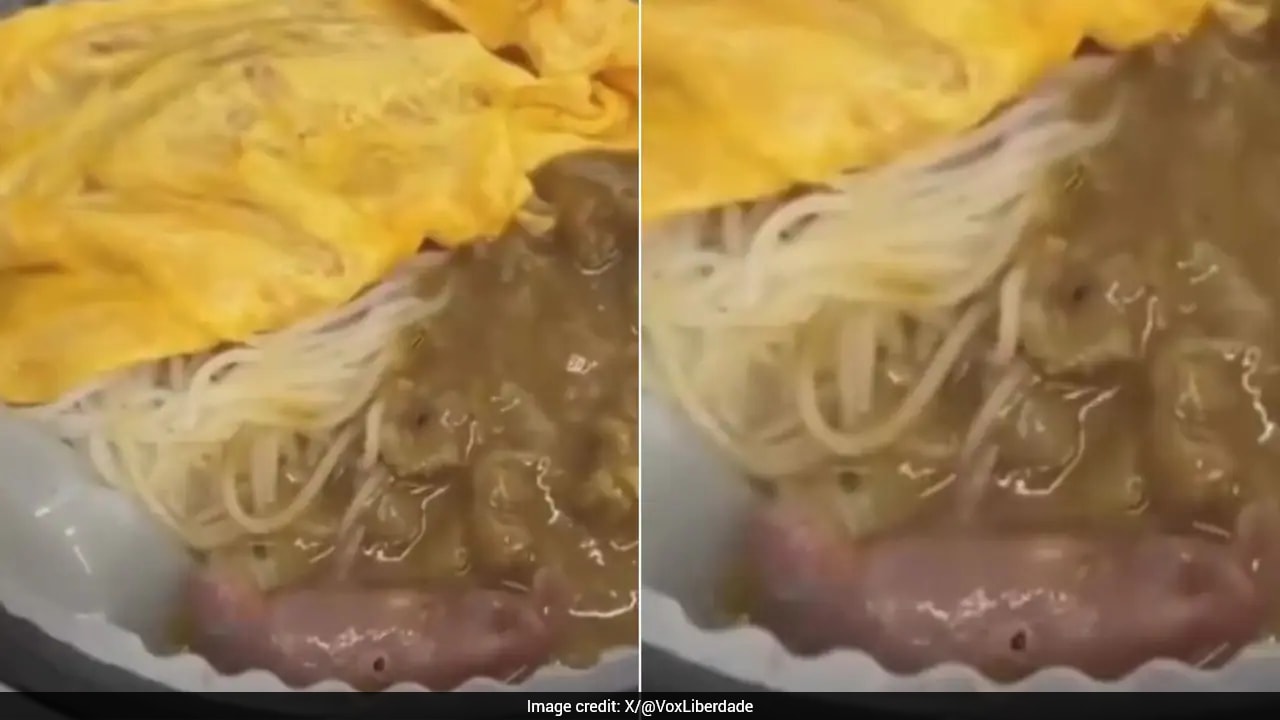
Imagine opening a cheap takeout box for a quick lunch break, only to find a tiny, hairless creature coated in satay sauce and trying to crawl away. That exact nightmare became reality for an unlucky diner in Hong Kong, and the resulting video has completely taken over social feeds.
The clip features a newborn pink mouse or rat squirming alive inside a container of beef rice noodles. Costing roughly HK$44, or about $5.40, the meal was ordered from Wa Jer Restaurant, located inside an industrial building in Kwai Chung. Instead of getting a standard cheap lunch, the customer captured footage of the tiny rodent shifting through the thick sauce, prompting instant shock and widespread online mockery about "rat sashimi".
What Actually Happened After the Video Dropped
Viral food contamination clips usually vanish after a few days of internet disgust, but this one triggered an immediate, heavy-handed government response. Hong Kong's Food and Environmental Hygiene Department (FEHD) didn't just watch from the sidelines. Inspectors swooped onto the premises to conduct a thorough surprise audit of the kitchen's preparation, packaging, storage, and delivery protocols.
While the restaurant had operated for over a year with a valid factory canteen license and a clean complaint record, health officers quickly found glaring issues. The inspection exposed poor hygiene standards in several working areas, leading authorities to file formal charges against the operator under local Food Business Regulation laws. The owner, identified in local reports as Mike, called the ordeal horrifying but admitted he couldn't immediately explain how a newborn rodent ended up sealed inside a takeout container.
The Bigger Problem With Urban Takeout Culture
Incidents like this expose the terrifying blind spots of fast-casual food prep in densely populated urban centers. When restaurants rush to fill delivery apps and phone orders during peak lunch hours, quality control often drops to zero. Kitchen staff tossing beef slices into woks and sealing plastic containers rarely inspect every square millimeter of sauce or noodles.
Pest control experts point out that industrial buildings—where many small Hong Kong eateries operate to save on rent—are notoriously difficult to keep completely sterile. Old plumbing, shared ventilation shafts, and aging infrastructure create superhighways for urban rodents. If a mother rat builds a nest near a dropped bag of dry goods or ceiling panels above a prep station, disaster is basically waiting to happen.
Sorting Fact From Fiction in Viral Food Scandals
Whenever a gross video goes viral, the internet immediately splits into two toxic camps. Half the commenters scream for the restaurant to be permanently burned to the ground, while the other half scream conspiracy. In this case, numerous online users claimed the baby rat was deliberately planted inside the container to sabotage the business.
Government investigators have urged the public to stay calm and avoid jumping to conclusions until forensic and on-site reviews are complete. Sifting through the timeline of food preparation, packing, and transit takes actual detective work. Did the animal crawl into the container while it sat on a counter? Did it drop from the ceiling during packaging? Or was it an act of malicious framing? Right now, without full cooperation and statements from all parties involved, nobody knows for sure.
How to Protect Yourself When Ordering Out
You cannot control what happens behind closed kitchen doors, but you can definitely change your own habits to minimize food safety risks.
- Skip sketchy basements and industrial canteens that lack transparent open kitchens or visible hygiene certificates.
- Inspect your food under bright kitchen lights before taking your first bite, rather than eating straight out of a dark container on your commute.
- Report severe violations directly to local health authorities instead of only posting about them online, which actually forces official inspections and fines.
Stop treating food safety warnings as mere entertainment. Check your local restaurant rating systems, stay aware of where your cheap lunch comes from, and hold establishments accountable the second standards slip.



