The headlines treat Washington seizing control of sixty-five billion barrels of Venezuelan oil like a modern corporate merger. Pundits call it a land grab, a geopolitical coup, and a miraculous fix for domestic fuel prices. They assume that drawing a red line around Orinoco heavy crude on a map means tankers will start flowing into Gulf Coast refineries next Tuesday.
It is a fantasy built on geological ignorance and wishful thinking.
I have watched energy conglomerates burn billions of dollars trying to force unrefined sludge out of fractured sandstone and asphalt swamps. Merely signing a piece of paper with an interim government does not make heavy petroleum economically viable. Washington thinks it acquired an asset. What it actually bought is a decaying, rust-bucket money pit that will consume massive amounts of capital before a single drop of fuel reaches a consumer pump.
The Heavy Crude Delusion
Look at the underlying physics of what sits beneath Venezuela. We are not talking about the light, sweet crude found in the Permian Basin that shoots out of the ground with minimal processing. Venezuelan reserves in the Orinoco Belt consist of extra-heavy oil. It behaves more like cold molasses or liquid asphalt than standard petroleum.
To extract this material, you need specialized diluents—lighter hydrocarbons like naphtha—to thin the sludge so it can move through pipelines. Venezuela lacks domestic production of these diluents due to decades of infrastructure decay. Securing sixty-five billion barrels of proven reserves means nothing if you have to import the very components required to move it.
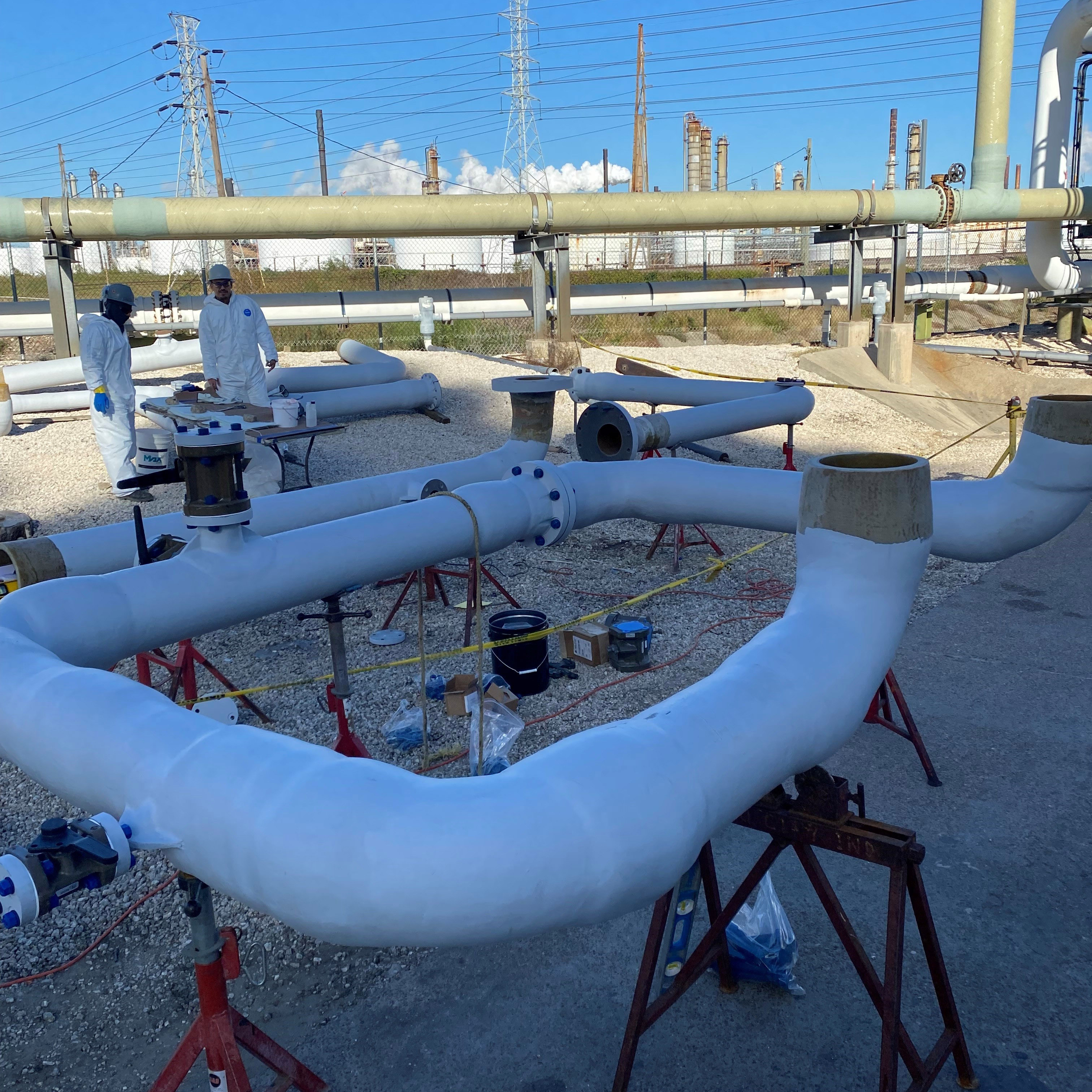
Furthermore, upgrading heavy crude into a refinery-ready product requires multi-billion-dollar coking plants and upgraders. Decades of institutional neglect, power grid failures, and equipment cannibalization under socialist management have left these facilities completely non-functional. Claiming majority control of an oil field without a working electrical grid or functional upgrading facilities is like owning a Ferrari engine sitting in the middle of a desert without wheels or fuel.
The Illusion of Instant Relief
Politicians love to promise that foreign energy interventions will instantly lower gas prices at home. It sounds good on a campaign trail ahead of midterm elections. It is also economically illiterate.
Building modern extraction and upgrading capacity in a neglected region takes years, not weeks. Between environmental impact assessments, supply chain constraints for heavy drilling rigs, and the sheer logistical nightmare of rebuilding local roads, ports, and housing, an influx of capital today will not yield significant production spikes until the next decade.
The White House claims this partnership with private operators bypasses taxpayer burden, but private operators do not throw capital into high-risk jurisdictions out of charity. Major energy firms like ExxonMobil and ConocoPhillips remember when their assets were nationalized under Hugo Chávez. They are not eager to deploy billions of dollars of shareholder capital into a sovereign state whose legal framework changes every time the political wind shifts. If private firms demand exorbitant return rates to justify the geopolitical risk, the cost of extraction will soar, neutralizing any theoretical discount at the pump.
The Governance Trap
Let us address the political reality on the ground. The current interim administration in Caracas lacks deep constitutional legitimacy among large swaths of the local population. When a government stays in power through foreign intervention rather than broad domestic consensus, every contract it signs carries a permanent expiration date.
Imagine a scenario where a future domestic administration takes power in Caracas and declares every concession signed under foreign duress null and void. History shows that sovereign risk is the ultimate killer of international energy projects. Legal battles stretch across decades, assets get frozen in international courts, and capital expenditures vanish overnight. By binding private operators to an unstable political transition, Washington is inviting endless legal warfare rather than stable energy security.
The Real Strategic Play
If this agreement is not about immediate fuel delivery, what is it actually about? It is a defensive maneuver to deny geopolitical rivals access to heavy energy corridors. By locking down concessions through joint ventures, Washington is preempting foreign competitors from securing exclusive rights to the Western Hemisphere's largest energy pool.
That is a valid geopolitical strategy, but let us stop dressing it up as a consumer relief program. It is an expensive long-term occupation of capital assets masquerading as a business deal.
The companies that succeed in Venezuela will not be the ones chasing political press releases. They will be the quiet operators who understand that heavy oil recovery requires patience, localized security, and billions in unglamorous infrastructure spending. Until those upgraders are rebuilt and the diluent supply lines are secured, those sixty-five billion barrels will stay right where they have been for centuries: locked in the dirt, costing a fortune to dream about, and producing zero energy for anyone.