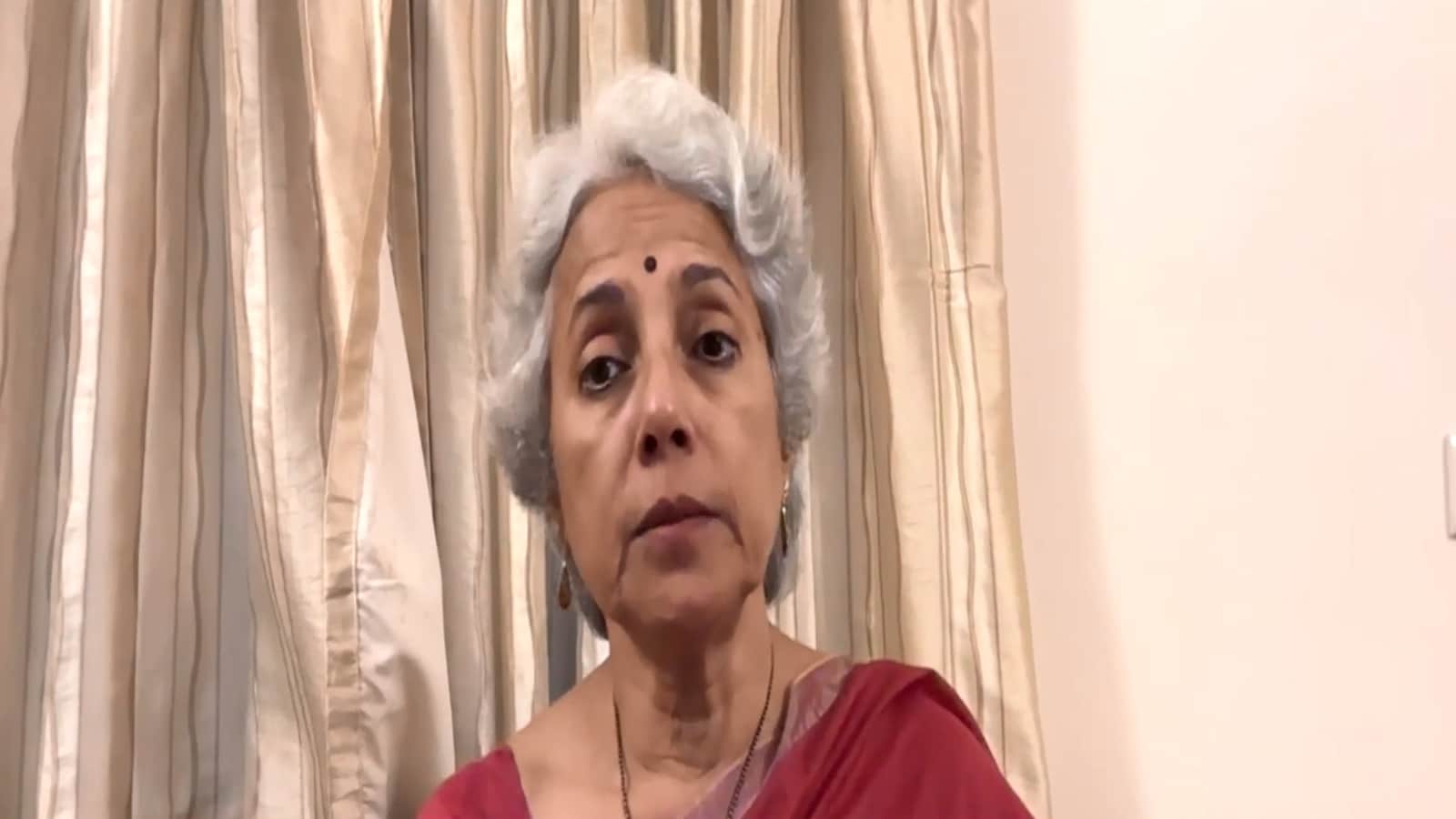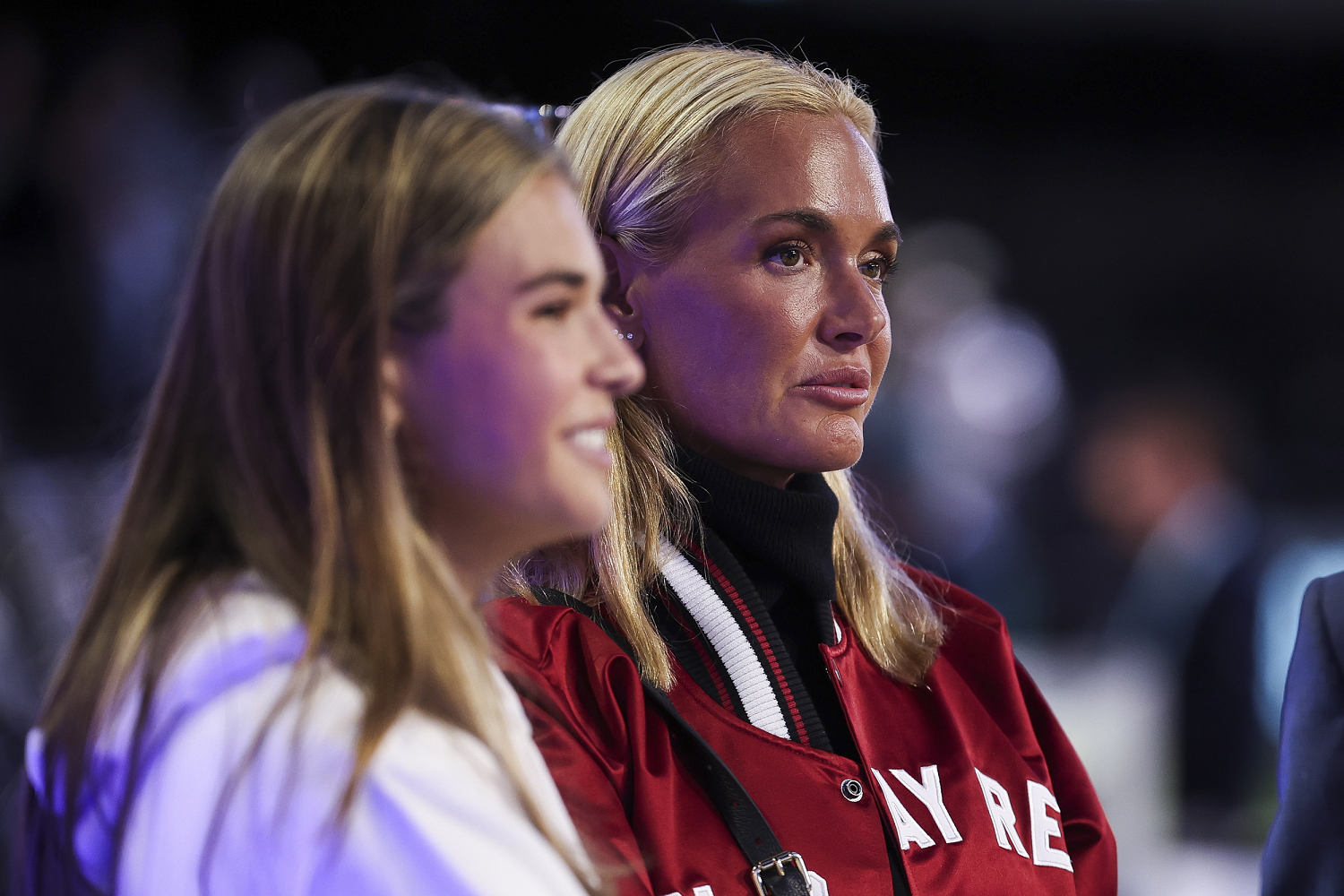
Vanessa Trump just dropped a massive reality check on Instagram. The 48-year-old mother of five, former wife of Donald Trump Jr., and current partner of golf icon Tiger Woods, revealed she was diagnosed with breast cancer.
She isn't looking for a pity party. Instead, she shared that she already underwent a medical procedure this week and is deep into planning her treatment layout with her doctors. It's the kind of news that stops you cold. Nobody expects it.
When a high-profile figure shares a diagnosis like this, it does two things. It immediately sparks intense public curiosity about their private life, and it shines a harsh, necessary spotlight on a disease that affects one in eight women in the United States. Let's look at what Vanessa Trump is facing, the complex personal backdrop surrounding her announcement, and the brutal medical realities of navigating breast cancer in your late 40s.
The Reality of a Breast Cancer Diagnosis at 48
Getting a cancer diagnosis in your late 40s brings a specific set of challenges. Vanessa Trump is part of a demographic that often gets caught in the messy shifting gears of medical guidelines. For years, major health organizations bickered over exactly when women should start getting regular mammograms. Some said 40, others pushed for 50.
The consensus finally shifted because the data forced it to. The U.S. Preventive Services Task Force officially changed its stance, recommending that women start biennial screening mammograms at age 40 instead of waiting until 50. Why? Because catching it early completely changes the survival math.
When you look at the statistics from organizations like the American Breast Cancer Foundation, the 5-year relative survival rate for localized breast cancer—meaning it hasn't spread outside the breast tissue—is nearly 99%. If it spreads to regional lymph nodes, that number drops to around 86%. That's why Vanessa's mention of a "procedure" performed early in the week is so critical. In early-stage breast cancer, that initial procedure is usually a biopsy, a lumpectomy, or a lymph node mapping session to figure out exactly what kind of monster they're dealing with.
Managing a Health Crisis in a High Pressure Family
You can't talk about Vanessa Trump without talking about the intense, fishbowl environment she operates in. She spent 13 years married into the Trump family, sharing five kids with Don Jr., including 19-year-old Kai Trump, who has carved out her own massive social media presence. Even after their 2018 divorce, Vanessa stayed tightly woven into that family fabric. It showed in the immediate public responses to her diagnosis, with former sister-in-law Ivanka Trump quickly posting public prayers and support.
But the personal timing here is exceptionally heavy. Vanessa has been in a high-profile relationship with Tiger Woods since late 2024. Just days before Vanessa posted her diagnosis, Woods had returned to his home in Jupiter, Florida, after spending six grueling weeks overseas in a treatment facility following his high-profile DUI arrest and ongoing physical rehabilitation from his notorious car crashes.
Insiders close to the couple note that they remain deeply committed, but think about the emotional bandwidth required here. You have a partner coming out of intense rehab trying to rebuild his life, and simultaneously, you get hit with a cancer diagnosis while managing a household of five kids. It's a reminder that celebrity and wealth don't shield you from life's worst curveballs. Vanessa's plea for privacy isn't just standard PR boilerplate. It's a survival tactic for someone trying to heal without a telephoto lens pointed at her window.
The Limits of At Home Screenings and What Actually Works
Whenever a celebrity reveals a breast cancer diagnosis, search traffic for "how to check for breast lumps" spikes. While self-awareness is great, you need to know the limitations of trying to handle this purely on your own.
The Centers for Disease Control and Prevention explicitly points out that while self-exams keep you familiar with your own body, they've never been proven to lower the risk of dying from breast cancer. They simply aren't sensitive enough to catch the tiny, early-stage micro-calcifications that a modern mammogram can spot.
Relying solely on your fingers to find a lump means you're often finding it after it has already grown to a significant size. Think of a screening plan as a multi-layered defense system.
- Mammograms: The gold standard for women aged 40 to 74. It catches masses years before you can feel them.
- Breast MRIs: Usually reserved for women with a high genetic risk, such as those carrying the BRCA1 or BRCA2 gene mutations, or those with dense breast tissue where standard X-rays struggle to see clearly.
- Clinical Exams: Performed by a trained OB-GYN or primary doctor who knows exactly what subtle structural changes look like.
Step by Step Actions for Your Own Health
Don't just read Vanessa Trump's story as celebrity gossip. Use it as a prompt to handle your own business. If you or a loved one are navigating this age bracket, here's the direct script you need to follow.
First, call your primary care doctor or gynecologist to assess your personal baseline risk. Don't assume you're fine just because your grandmother didn't have it. Most women diagnosed with breast cancer have no family history of the disease at all. Ask your doctor about your breast density. Dense breast tissue makes mammograms harder to read, and you might need an ultrasound backup.
Second, schedule the appointment if you're over 40 and haven't had a mammogram in the last two years. Stop putting it off because you're busy with work or your kids. Vanessa Trump is managing five children and a chaotic public life, and she had to stop and handle it.
Finally, listen to your body but trust the technology. If you notice skin dimpling, changes in the nipple, or a hard knot that doesn't go away after your menstrual cycle, skip the Google rabbit hole and go get an imaging order immediately. Early detection isn't a guarantee of an easy road, but it gives you the best possible odds to fight back and win.