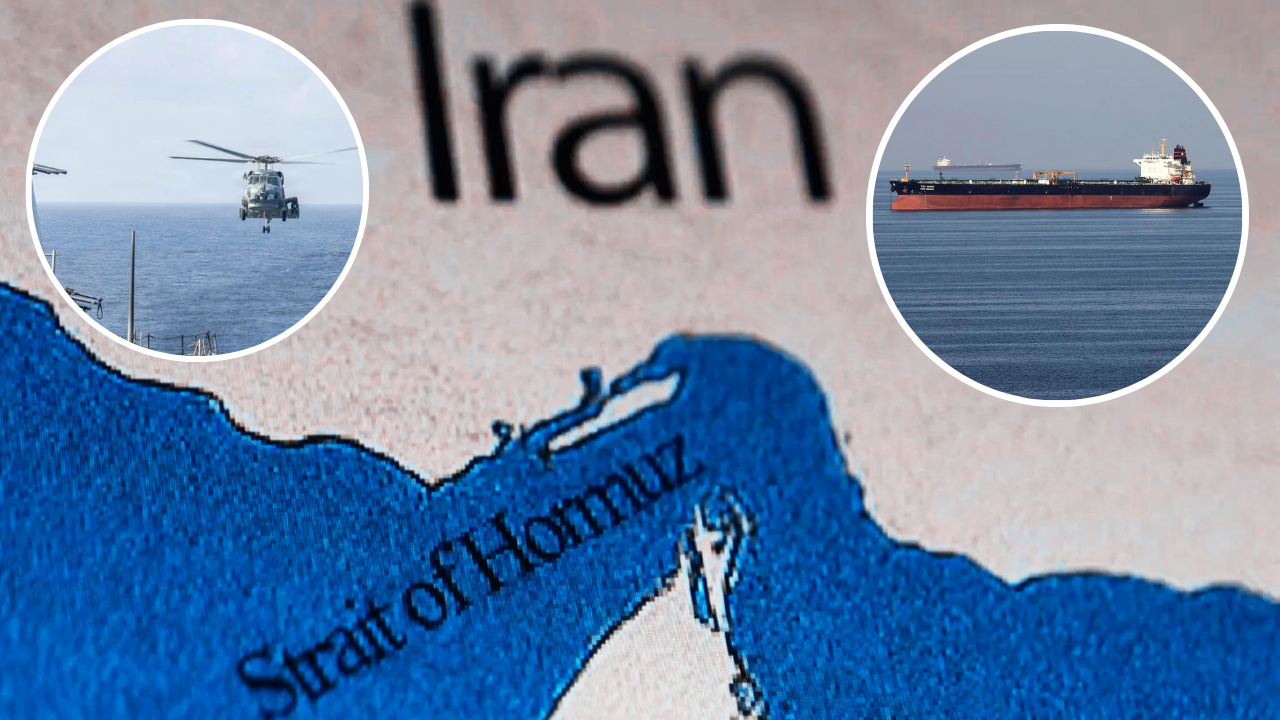
When Washington and Tehran signed a fragile 60-day memorandum of understanding back in June, global energy markets breathed a collective sigh of relief. Everyone hoped the worst of the chokehold on the Strait of Hormuz was over. They were wrong.
Trade data released by Kpler shows that oil flows through the critical shipping lane nearly tripled during the lifespan of that short-lived agreement. Approximately 374 million barrels of crude managed to exit the Persian Gulf. That sounds impressive until you look at the baseline. Daily throughput averaged about 6.1 million barrels during the pact, a massive jump from the meager 2.3 million barrels per day recorded during the heavy blockades. Yet, this surge still hovered far below the pre-war norm of roughly 15 million barrels daily.
The deal expired on August 17 without an extension, and the numbers tell an ugly story of a diplomatic failure that leaves global crude markets hanging by a thread.
The Illusion of Stability in the Gulf
You cannot understand the current market spike by looking at total volume alone. More than half of those 374 million barrels cleared the strait during the first three weeks of the agreement. Once the initial rush cleared out stored inventory, reality set in.
The agreement, brokered with the help of Pakistan, was supposed to trade a pause in regional hostilities for sanctions relief, frozen asset releases, and safe maritime passage. Instead, the commitments shattered almost immediately. The U.S. oil waiver survived a mere 20 days, and the naval blockade suspension lasted just 27 days before mutual accusations of violations tore the pact apart.
Tankers started bunching up behind the strait as the deadline loomed. Emmanuel Bellostrino of Kpler noted that traffic plummeted back into single digits as the agreement died, leaving hundreds of commercial vessels stranded or scrambling to adjust.
What the Numbers Actually Tell Us
Let us look closely at what happened beneath the surface.
- Daily exports crawled up to 6.1 million barrels during the 60-day window.
- Pre-war averages sat around 15 million barrels per day, meaning the temporary fix only captured about 40 percent of normal capacity.
- Brent crude prices reacted instantly to the August expiration, climbing past $91 per barrel as traders priced in renewed supply shocks.
Other Gulf exporters like Saudi Arabia, Iraq, and Kuwait managed to maintain some baseline flow using smaller shuttle tankers, but the core dispute over Iranian shipping lanes proved insurmountable. Tehran has already pivoted to a unilateral permit-and-toll regime over the strait, threatening to target any unauthorized vessel. Washington has responded by doubling down on naval convoy escorts and keeping severe restrictions on Iranian ports.
Where Energy Markets Go From Here
If you are tracking energy commodities or trying to budget for fuel and shipping costs, don't expect a quick resolution. The diplomatic window is completely shut. Daily vessel crossings have dropped back down to roughly 10 to 12 ships per day.
Emergency inventory buffers are thinning out rapidly. As Q4 approaches, refineries heavily reliant on Middle Eastern crude and LNG are going to feel the pinch of these restricted transit routes. Keep a close eye on spot charter rates and tanker insurance premiums in the region. Those figures will spike long before retail fuel prices reflect the true cost of a closed strait.