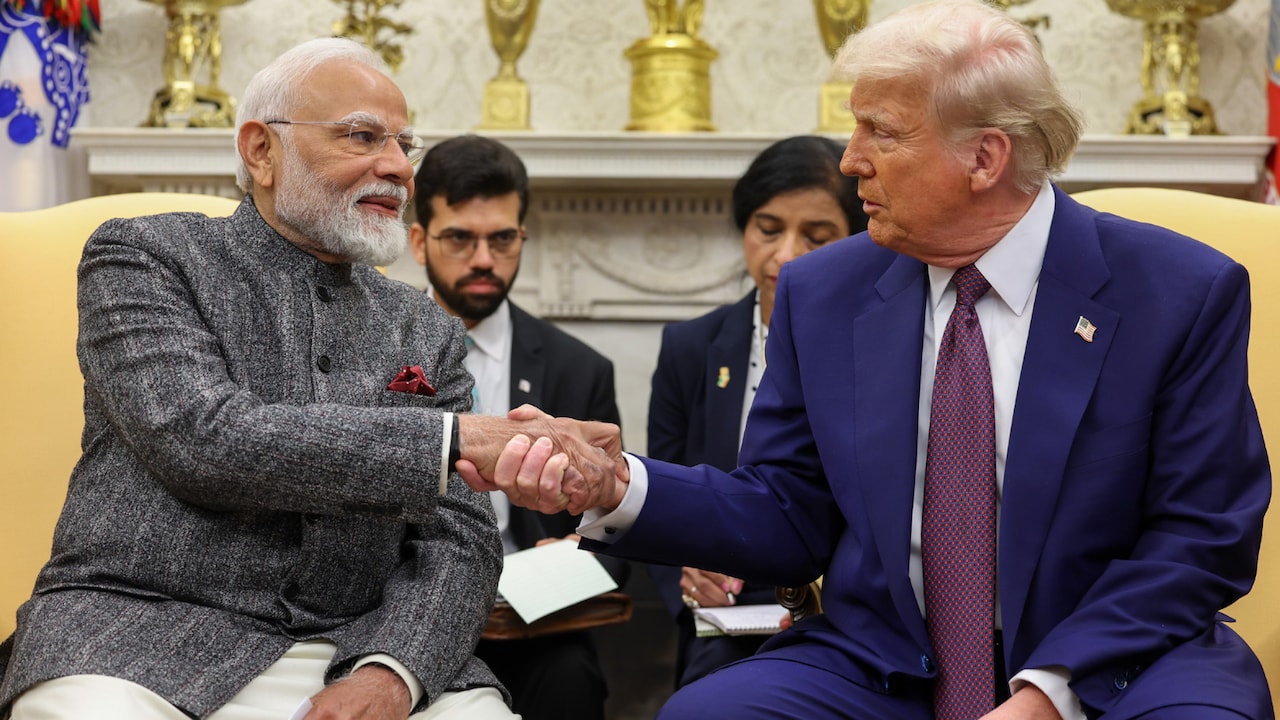
What Is Delaying the US India Trade Agreement
A senior American official confirmed on the sidelines of the ASEAN Foreign Ministers' meeting in Manila that a comprehensive bilateral agreement between Washington and New Delhi is practically done. "We literally have the paper," the official stated, setting a realistic timeline of three to four months for the final signing.
If the text is drafted and both sides agree on the terms, why haven't diplomats put pen to paper?
The hold-up doesn't come from disagreements between Indian Prime Minister Narendra Modi and the White House. Instead, bureaucratic procedures in Washington are dragging out the process. Specifically, the United States must finish several Section 301 trade investigations. These federal investigations assess unfair foreign trade practices and dictate baseline tariff policies across dozens of trade partners.
┌─────────────────────────────────────────────────────────┐
│              US-INDIA TRADE DEAL TIMELINE               │
├──────────────────────────┬──────────────────────────────┤
│ Phase                    │ Status                       │
├──────────────────────────┼──────────────────────────────┤
│ Bilateral Negotiations   │ Complete (Text Finalized)    │
│ Section 301 Review       │ In Final Stage (1-2 Weeks)   │
│ Expected Formal Signing  │ Late Fall 2026 (3-4 Months)  │
└──────────────────────────┴──────────────────────────────┘
One major Section 301 probe covering 60 nations is scheduled to wraps up shortly. Until Washington closes those regulatory files, it can't formally execute new bilateral trade deals without triggering legal and administrative conflicts in domestic courts.
Tariff Pressures and Economic Stakes
While officials work through regulatory hurdles, trade friction continues to create uncertainty for businesses in both countries.
Washington recently proposed tariffs of up to 12.5% on a broad group of nations, including India, citing concerns over forced labor in supply chains. At the same time, new US policy shifts around pharmaceutical imports have sent shockwaves through Indian industry.
+-----------------------------------------------------------------+
|               PROPOSED US TARIFF SHIFTS ON PHARMA               |
+----------------------------------+------------------------------+
| Timeline                         | Applied Import Duty Rate     |
+----------------------------------+------------------------------+
| Current - August 2028 (2 Years)  | 0% (Tariff-Exempt)           |
| Year 3                           | 100%                         |
| Year 4 Onward                    | 200%                         |
+----------------------------------+------------------------------+
Indian generic drugmakers ship roughly $9.7 billion worth of products to the US annually, representing nearly 38% of India's total pharmaceutical export market. While a two-year tariff exemption offers temporary relief, the long-term threat of steep duties forces companies to re-evaluate their supply chains.
                     INDIAN PHARMA EXPORTS ($25.8B TOTAL)
                     ┌──────────────────┬──────────────────┐
                     │   US Export Market  │  Rest of World   │
                     │  $9.7 Billion    │  $16.1 Billion   │
                     │     (37.6%)      │     (62.4%)      │
                     └──────────────────┴──────────────────┘
These looming tariff deadfalls explain why both governments want to lock in a finalized agreement quickly. A signed bilateral deal establishes stable duty rates, protecting Indian exporters while securing reliable access to critical medical supplies for US consumers.
Key Priorities Behind the Final Push
The rush to finalize the US India trade deal isn't just about headline tariff rates. Recent discussions between Indian External Affairs Minister S. Jaishankar and US Secretary of State Marco Rubio in Manila highlighted broader strategic priorities:
- Critical Minerals and Tech: Securing raw materials for semiconductor manufacturing and green technology.
- Energy Security: Diversifying energy supply networks amid ongoing Middle East instability.
- Defense Cooperation: Streamlining military hardware transfers and joint manufacturing projects.
- Artificial Intelligence: Aligning regulatory standards for software exports and data sharing.
Earlier joint statements laid out clear commitments. India agreed to cut duties on US industrial machinery and agricultural imports like tree nuts, fruits, and wine. In return, Washington offered preferential access for Indian automotive parts and lowered baseline reciprocal duties.
Both nations want to complete this deal after 18 months of intensive talks. US Ambassador to India Sergio Gor noted that negotiations reached the "last 1 percent" weeks ago. For comparison, similar trade talks between the US and European partners took two decades to finalize.
What Businesses and Investors Should Do Next
With text finalized and procedural delays wrapping up, companies shouldn't wait for the ceremonial signing to adjust their trade strategy.
- Audit Supply Chains for Section 301 Exposure: Review whether your imported products fall under pending Section 301 investigations to prepare for shifting duties.
- Lock in Supply Agreements Early: Indian pharmaceutical and textile firms should finalize long-term supply contracts now to leverage the remaining tariff-free window.
- Prepare for Rules of Origin Compliance: The incoming deal requires strict documentation showing that products originate in either the US or India to qualify for preferred tariff rates.
- Monitor Federal Register Filings: Watch for official US Trade Representative notices over the next month as the Section 301 reviews conclude.