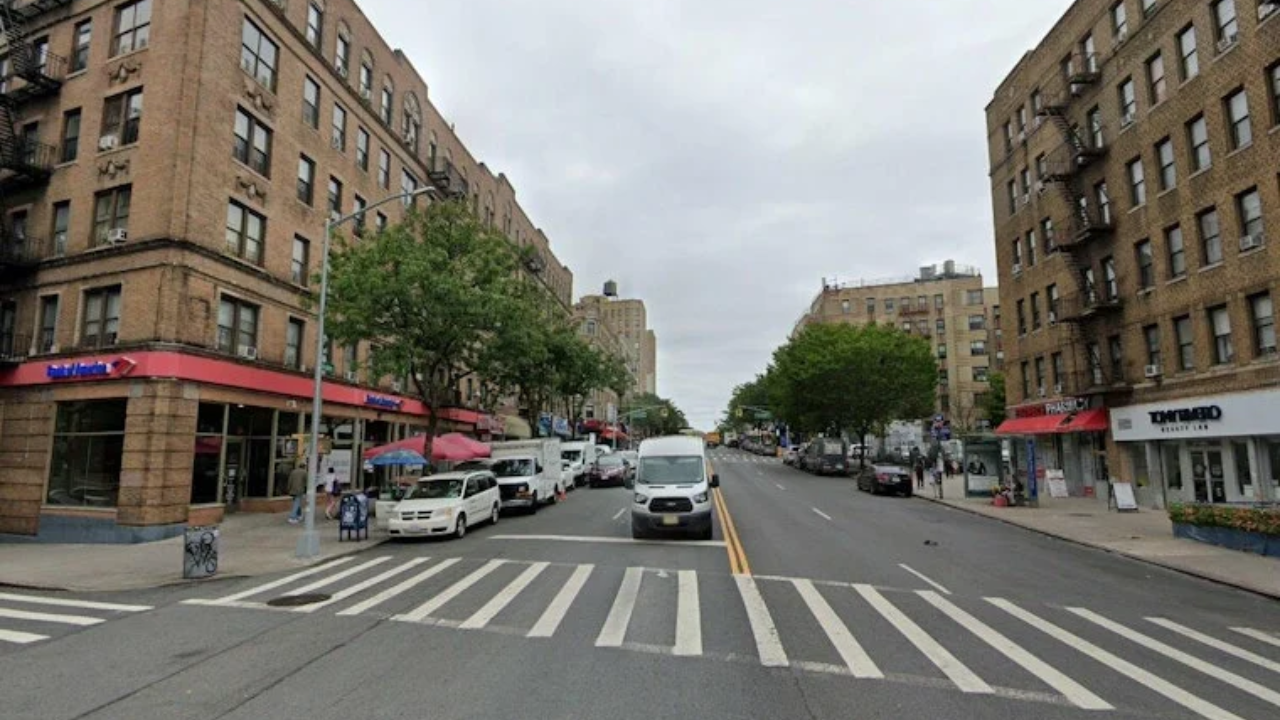
Temporary municipal interventions face a structural decay curve that renders standard community cleanup campaigns obsolete within six months of deployment. When neighborhood groups mobilize around high-visibility sanitation drives, they treat the symptom of urban disamenity rather than the economic feedback loops that generate localized waste accumulation. The Trash Talk NYC project framework illustrates both the efficacy of short-term mobilization and the vulnerability of volunteer-led momentum. To understand why these initiatives spark temporary gardens yet struggle to build durable community movements, we must deconstruct the operational mechanics of urban commons maintenance, the economics of civic participation, and the failure points of decentralized neighborhood management.
The Operational Mechanics of the 100 Day Sprint
Short-duration municipal and grassroots campaigns rely on concentrated behavioral priming. By establishing a bounded temporal horizon of 100 days, organizers bypass the fatigue threshold typical of long-term civic organizing. Participants allocate scarce personal capital because the end state is visible and finite.
- Temporal Bounding: A fixed horizon concentrates volunteer hours, creating artificial scarcity that drives high-intensity output during the initial phase.
- Visual Feedback Loops: Clearing accumulated refuse from a neglected lot instantly alters the local spatial economics, shifting the perception of the area from abandoned to monitored.
- Signaling Effects: Visible order deters localized illegal dumping through the activation of broken windows dynamics in reverse, where maintained spaces signal active guardianship.
Despite these immediate gains, the 100-day model operates on a deficit of institutional memory. Once the initial coordination cohort exhausts its volunteer capital, the operational load reverts to an uncompensated resident base. Without a recurring revenue model or formalized municipal linkage, the spatial improvements degrade as soon as volunteer turnover spikes.
The Economic Costs of Decentralized Maintenance
Grassroots greening projects often convert vacant debris-laden lots into community gardens or micro-parks. While aesthetically transformative, this land conversion introduces a distinct cost function that volunteers rarely budget for over a multi-year timeline.
- Input Costs: Soil remediation, water access fees, tool replacement, and biological amendments require continuous capital outlays.
- Labor Opportunity Cost: The physical upkeep of shared green space demands a predictable weekly hour commitment from residents who face competing labor market pressures.
- Liability and Insurance: Unincorporated neighborhood groups lack the legal shielding required to absorb slip-and-fall liabilities or municipal code infractions.
When neighborhood movements attempt to scale past a single lot, these financial and operational frictions multiply non-linearly. A cleanup campaign is a one-time capital expenditure of sweat equity; a garden is an ongoing operating expense. Communities that mistake the former for the latter inevitably experience operational collapse when maintenance outlays exceed voluntary willingness-to-pay.
Systemic Failure Points in Grassroots Urban Stewardship
Urban micro-environments do not exist in isolation. They are downstream of municipal zoning laws, waste management logistics, and demographic transience. Neighborhood movements that ignore these structural variables inevitably hit institutional ceilings.
The first limitation is the transience gradient. High-turnover neighborhoods with high renter-to-owner ratios experience structural friction in sustaining multi-year civic assets. Residents with short-term residential horizons discount the future utility of localized gardens and clean spaces, reducing their incentive to contribute free labor.
The second limitation is municipal misalignment. Grassroots cleaning efforts frequently operate parallel to, rather than integrated with, city sanitation schedules. If municipal litter basket density or street sweeping frequencies remain inadequate, volunteer cleanups function as an uncompensated subsidy for municipal service deficiencies. This creates moral hazard, where city agencies reduce resource allocation to neighborhoods that demonstrate high volunteer capacity.
Designing Durable Civic Infrastructure
Transitioning from a temporary cleanup sprint to a permanent neighborhood movement requires shifting from purely voluntary models to hybrid institutional frameworks.
- Endowment Mechanisms: Communities must establish micro-tax districts, business improvement district (BID) extensions, or dedicated patronage models to fund recurring physical maintenance.
- Modular Governance: Decision-making power must be decoupled from charismatic founders through clear operational protocols and rotational task assignments.
- Asset-Based Partnerships: Rather than relying purely on donation-funded tools, groups should legally bind municipal agencies to baseline maintenance SLAs (Service Level Agreements) before investing sweat equity into public-private land conversions.
Neighborhood transformation stalls not from a lack of civic enthusiasm, but from a failure to match the scale of the intervention with the structural economics of ongoing maintenance. Until urban cleanup initiatives integrate fixed asset management and municipal accountability into their core deployment strategy, they will remain cyclical interventions that reset to zero every hundred days.
Establish a binding memorandum of understanding with local municipal sanitation and parks departments before deploying volunteer capital into any vacant lot conversion, locking in baseline municipal service guarantees to insulate community-led spaces from premature abandonment.


