The Great Wildflower Illusion
Slapping a 200-square-foot patch of milkweed in the courtyard of a thirty-story steel monolith does not save the environment. It buys goodwill.
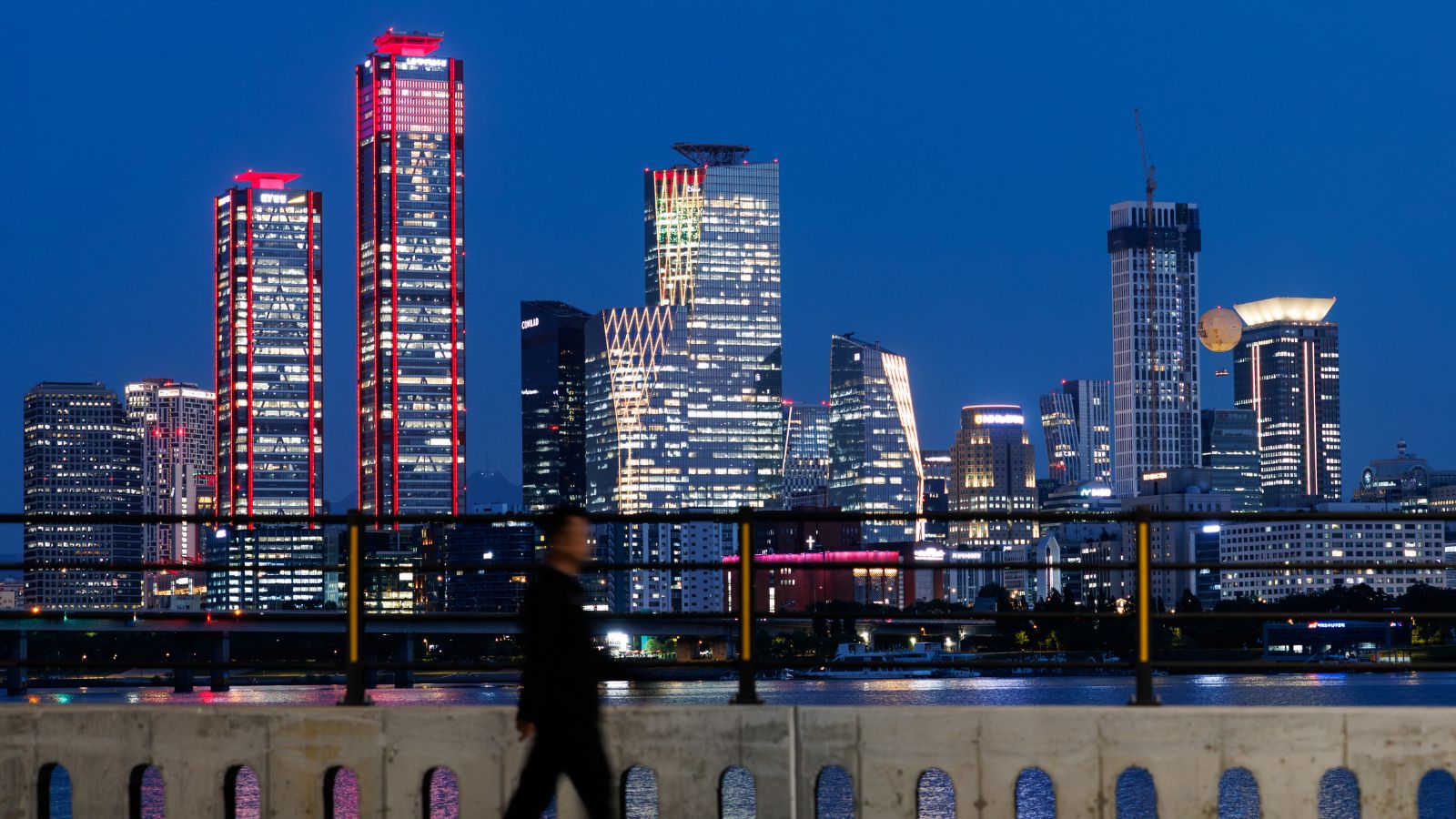
Every spring, real estate conglomerates and tech titans publish glossy press releases celebrating their new rooftop gardens. They hire photographers to zoom in on a single Eastern Tiger Swallowtail resting on a coneflower against a blurred backdrop of dark glass office windows. The narrative is irresistible: nature healing in the shadow of commerce.
It is a lie.
I have spent fifteen years evaluating corporate sustainability claims, watching executive committees throw six-figure budgets at performative ecological theater while ignoring the destruction caused by their actual footprint. What the public sees as a blooming urban oasis, evolutionary biologists recognize as something far more sinister: an ecological trap.
When you drop an isolated island of flora into an ocean of asphalt, glass, and concrete heat islands, you do not build a sanctuary. You build a decoy.
The Biology of an Ecological Trap
Animals choose habitats based on cues—color, scent, shelter. In an untouched natural habitat, those cues reliably point toward abundant food, safety, and reproductive success.
When a corporate real estate director replaces a manicured Bermuda grass lawn with a high-visibility pollinator seed mix, they alter those environmental cues without fixing the surrounding mortality risks.
+-------------------------------------------------------------------+
|                     THE CORPORATE DECOY CYCLE                     |
|                                                                   |
|   1. Synthetic Attractant  -->  High-contrast flower patches draw  |
|                                 insects into urban centers.       |
|                                                                   |
|   2. Microclimate Heat     -->  Concrete heat sinks dehydrate     |
|                                 larvae and destroy nectar supply. |
|                                                                   |
|   3. Mortality Hazards     -->  Reflective glass, night lighting,  |
|                                 and HVAC updrafts wipe out population.|
+-------------------------------------------------------------------+
Imagine a scenario where an endangered insect species is drawn into a downtown corridor by the scent of native nectar. Once inside this concrete canyon, the insect faces hazards that its biology never evolved to navigate:
- Reflective Glass Collision and Disorientation: Glass facades reflect polarization patterns, confusing flying insects and causing lethal strikes or energy exhaustion.
- Thermal Sinks and Exhaust Stress: Giant air handling units on office roofs blast dry, superheated air across plant beds, desorbing nectar in hours and killing sensitive caterpillar larvae.
- Light Pollution: Industrial security lighting breaks nocturnal insect circadian rhythms, preventing mating and disrupting migration pathways.
- Chemical Fragmentation: Surrounding properties continue applying neonics and synthetic pesticides to maintain turfgrass, creating a poison moat around the isolated green patch.
By drawing organisms away from functional, continuous habitat corridors on the urban fringe into high-risk downtown cores, these vanity gardens actively reduce reproductive yield. The insects show up, lay eggs on stressed plants surrounded by concrete, and the next generation dies before reaching maturity.
It feels good to human observers. It is catastrophic to the population mechanics of the target species.
Follow the Money: PR Return vs. Ecological Yield
Why do institutional landlords continue to build these micro-sanctuaries? The financial math explains everything.
Real conservation is expensive, uncomfortable, and politically messy. It requires acquiring large tracts of continuous land, halting urban sprawl, eliminating outdoor night lighting, eliminating synthetic pesticide applications across entire zip codes, and letting land go fallow.
A courtyard butterfly garden, by contrast, delivers maximum public relations value per dollar spent.
| Metric | Authentic Regional Conservation | Corporate Campus "Pollinator Patch" |
|---|---|---|
| Initial Cost | High ($500,000+ for land acquisition) | Low ($15,000 - $45,000 for installation) |
| Photo Opportunity | Low (Muddy, remote, unglamorous) | High (Clean glass background, corporate branding) |
| Pesticide Policy | Strict non-intervention | Mixed (Garden is organic; surrounding lawn is sprayed) |
| Biological Yield | Positive net population growth | Negative (Ecological trap sink) |
| ESG Score Impact | Minimal (Difficult to market locally) | High (Instant marketing fodder for ESG reports) |
I sat in a strategy meeting where an investment trust spent $30,000 on a wildflower plot outside a suburban headquarters. The very next month, the same firm lobbied local zoning boards to pave over eighty acres of adjacent wetlands for a logistics park. The wildflower plot featured prominently on page three of their annual report. The destroyed wetland did not.
Corporate biodiversity projects are designed to satisfy ESG audit checklists, not ecological principles. They swap systemic environmental responsibility for a photo-friendly patch of petals.
The Myths Fueling Fake Urban Greening
To understand why these projects fail, we must break down the flawed premises taught to corporate facilities managers.
Myth 1: "Every Little Bit Helps"
In conservation biology, small fragmented patches do not scale linearly. A single 100-hectare continuous nature reserve supports exponentially more species and far lower mortality rates than 10,000 isolated 10-square-meter office gardens. Fragmented patches suffer from extreme edge effects, exposing insects to wind, pollution, and predators. If a patch is below minimum viable size, it functions as a demographic sink—a place where mortality exceeds reproduction.
Myth 2: "Wildflowers Equal Native Habitat"
Commercial seed packets labeled "pollinator blend" are frequently filled with non-native annuals selected for quick germination and bright colors, not specialized biological utility. Many specialized native butterflies require specific host plants to lay eggs. An adult butterfly may sip nectar from an exotic marigold, but its larvae will starve to death on it. Planting flashy, non-native flora is the ecological equivalent of setting up a fast-food joint and calling it a healthcare solution.
Myth 3: "If You Plant It, They Will Stay"
Insects do not live in isolation from physical forces. Urban microclimates alter humidity levels, ambient temperatures, and air currents. When a corporate office building heats up concrete under direct sunlight, it generates micro-thermals that alter local wind currents. Small insects trapped in these thermals are swept up into building exhausts or thrown into glass structures. A garden cannot fix a broken physical environment.
Dismantling Common Assumptions
People asking about urban wildlife solutions usually ask the wrong questions because they accept corporate marketing at face value. Here is the reality behind those inquiries.
Can urban office blocks offset local habitat loss?
No. Concrete structures fundamentally change hydrology, light, and temperature. An office building alters soil chemistry within fifty feet of its foundation through concrete leaching, elevating soil pH and making it toxic for native flora. A garden box placed on top of this infrastructure cannot replace destroyed native soil profiles or continuous watershed corridors.
Are rooftop gardens better for biodiversity than empty concrete roofs?
Slightly, but only for generalist species like invasive honeybees—which actively outcompete declining native bees for scarce resources. Rooftop environments feature high winds, extreme heat, and zero connectivity to ground soil. They serve primarily as thermal insulation for the building owner, not functional biological habitat.
Should companies stop building green spaces on site?
They should stop building isolated aesthetic gardens and claiming they save the planet. If a corporation wants to help, it must shift from micro-gardening to macro-connectivity and structural mitigation.
What Functional Urban Greening Actually Looks Like
If institutional real estate operators genuinely cared about environmental repair instead of cheap marketing, they would stop planting garden boxes and execute real structural changes.
       [ ISOLATED URBAN TRAP ]                   [ CONNECTED ECOLOGICAL CORRIDOR ]

          +--------------+                            +--------------+
          | Glass Tower  |                            | Glass Tower  |
          +--------------+                            +--------------+
                 | (Reflective glass,                         | (Fritted anti-collision glass,
                 |  night lighting)                           |  dark-sky lighting)
                 v                                            v
         [ Patch of Flowers ]                        ====================
        (Isolated, death trap)                       CONTINUOUS GREENWAY
                                                     ====================
                                                              |
                                                              v
                                                     [ Native Wetland / Reserve ]
1. Build Contiguous Corridors, Not Isolated Islands
A single flower bed surrounded by asphalt is useless. Real estate developers must collaborate with city planners to build contiguous, unbroken greenways that connect urban centers directly to outlying wild lands. If wildlife cannot travel safely between patches without crossing four lanes of traffic and a reflective glass canyon, the project is a failure.
2. Mandatory Anti-Collision Glass and Dark-Sky Lighting
If an office block features a garden but uses reflective glass and high-intensity overnight floodlighting, it is a net-negative for local fauna.
- Retrofit windows with fritted patterns or UV-reflective films to eliminate bird and insect collisions.
- Cap all exterior lights, switch to low-frequency amber LEDs, and turn off decorative exterior illumination after 10:00 PM.
3. Stop Spraying Surrounding Properties
A native garden is useless if the lawn twenty feet away is doused in synthetic herbicides and imidacloprid to keep the grass pristine for executives. Zero-chemical management must apply to the entire site, not just the designated green corner.
4. Fund Off-Site Land Acquisition
Instead of spending $50,000 on a fragile courtyard plot, corporate sustainability departments should purchase and deed-restrict twenty acres of degraded agricultural land on the city perimeter, rewilding it with regional native plants. It produces fewer corporate headshots, but it actually saves species.
The Hard Truth About Corporate Eco-Aesthetics
The obsession with urban butterfly gardens is about human comfort, not biological necessity. We like looking out the window of a climate-controlled conference room and seeing a flash of orange wings. It relieves our collective guilt over the miles of asphalt, the energy-intensive server farms, and the endless industrial expansion required to support modern corporate infrastructure.
True ecological restoration is not neat. It involves dead wood rotting on the ground, overgrown native scrub, muddy soil, insects eating leaves until plants look tattered, and total darkness after sunset.
As long as corporations prioritize clean aesthetic lines and photo opportunities over messy, complex biological reality, urban butterfly sanctuaries will remain what they have always been: pretty graveyards wrapped in corporate spin. Stop applauding the patch. Demand the corridor.