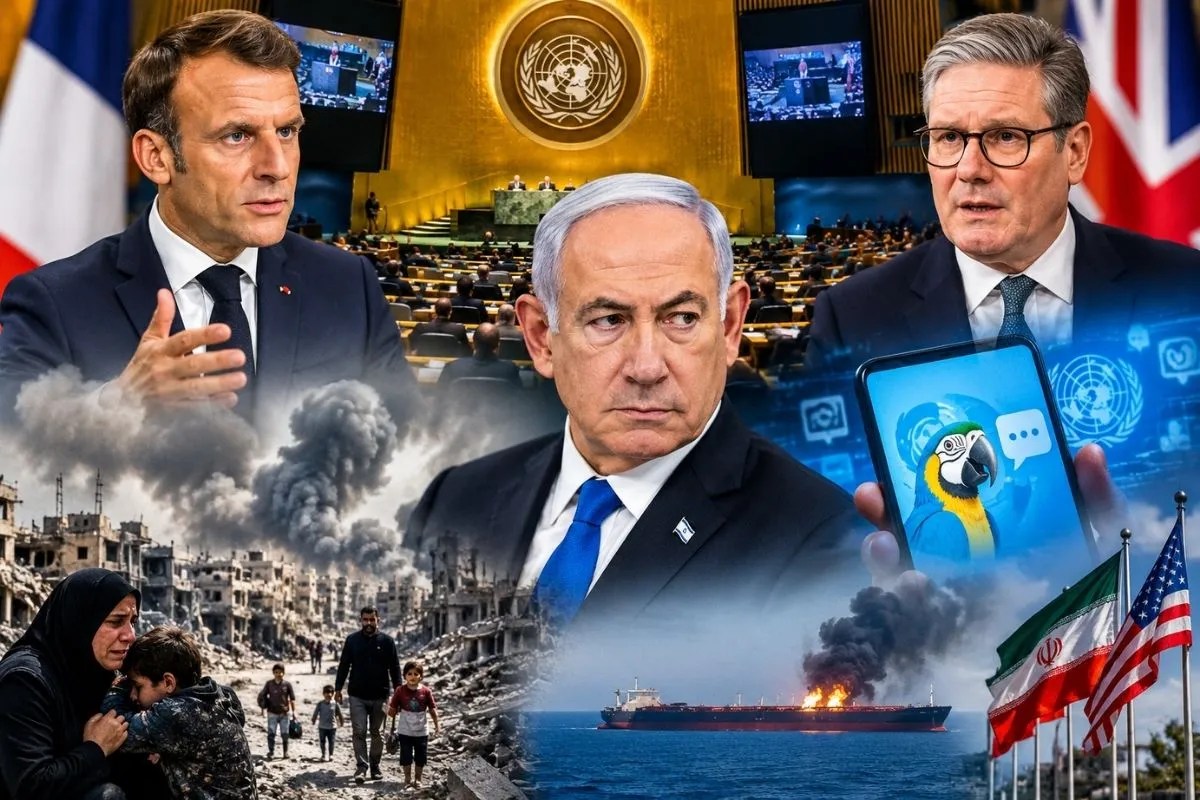
Every autumn, the United Nations General Assembly turns into a predictable theater of moral posturing. Leaders step up to the podium, deliver heavily choreographed denunciations, and rack up polite applause from empty seats. When Emmanuel Macron or foreign policy officials target Israel over Gaza, media outlets treat it as a seismic shift in global diplomacy. It is nothing of the sort. It is diplomatic white noise.
While commentators obsess over who criticized whom in the grand hall, a completely different war is being fought—and won—on digital battlegrounds that diplomats barely understand. Israel’s actual response to diplomatic isolation has nothing to do with UN resolutions or fiery counter-speeches. It is executed through algorithmic dominance, real-time information warfare, and a fundamental restructuring of how modern conflicts are communicated to a population that no longer watches evening news.
Let us dismantle the lazy consensus of international relations journalism.
The Mirage of Diplomatic Condemnation
The core illusion driving contemporary commentary is that verbal reprimands at the United Nations carry tangible consequence. When European leaders line up to lecture Jerusalem, domestic audiences cheer, and pundits write think pieces about shifting geopolitical alliances. But look at the mechanics of statecraft. Declarations at the UN carry zero enforcement mechanisms. They are safety valves designed for politicians to appease domestic constituencies without risking capital or trade agreements.
I have spent years watching institutions panic over bad press while ignoring structural shifts in audience attention. Governments that think a harsh speech from a French president alters military calculus or economic reality are living in the twentieth century. The UN has become a megaphone for performative outrage, divorced from operational outcomes.
Israel understands this better than its critics. While diplomats waste weeks drafting resolutions that will be vetoed or ignored, defense and communications apparatuses have pivoted to a ruthlessly efficient digital posture. They do not care about winning a popularity contest in a room full of delegates who have already made up their minds. They care about information velocity.
The Digital Counteroffensive That Nobody Is Covering
When the mainstream press reports on Israel’s "digital पलटवार" (counterattack), they frame it as desperate PR control. That framing is amateurish. What is actually happening is a masterclass in decentralized cognitive defense and offense.
Traditional state communications used to rely on embassies issuing formal press releases and ambassadors holding tense press conferences. That model is entirely dead. Today, narrative control belongs to whoever owns the attention span of the scrolling user on X, Telegram, and TikTok.
Israel’s digital strategy relies on three concrete pillars that conventional diplomats find terrifying:
- Hyper-Localized Micro-Targeting: Instead of appealing to a monolithic global audience, modern state actors bypass international bodies entirely to speak directly to fragmented demographics across the globe. They deploy tailored narratives in dozens of languages simultaneously, matching the cultural idioms of the platform rather than the formal syntax of diplomacy.
- Open-Source Intelligence (OSINT) Weaponization: Rather than hiding behind sanitized military spokespeople, digital units leverage raw, unfiltered operational footage, intercepted communications, and immediate battlefield context to preempt enemy propaganda cycles. By the time a UN committee convenes to draft a statement of concern, the digital narrative has already cycled through three iterations globally.
- Algorithmic Resilience: The modern information ecosystem punishes passive defense. If you wait for a scandal to break before responding, you have already lost. The counteroffensive is proactive, flooding high-velocity channels with competing frames before legacy media can cement a singular narrative.
This is not about winning hearts and minds among ideological opponents. It is about raising the cost of hostile propaganda and maintaining domestic and allied operational freedom.
The Cost of the Contrarian Strategy
I will be entirely transparent about the downside of this approach, because intellectual honesty requires it. Relying on aggressive digital counteroffensives comes with steep collateral damage.
When you treat global communication as a perpetual knife-fight on social media, you degrade the very concept of objective truth. Nuance dies in a 15-second vertical video. Complex geopolitical grievances are reduced to competing hashtags and algorithmic tribalism. By bypassing traditional diplomatic channels to fight directly in the digital trenches, states accelerate the erosion of international institutions. If the UN is proven to be irrelevant through relentless online mockery and operational disregard, we lose the only clumsy architecture we have for preventing total escalation.
Furthermore, this hyper-reactive digital posture breeds fatigue. Populations subjected to a constant stream of high-intensity narrative warfare eventually tune out everything. When every day is an existential information crisis, people retreat into cynicism.
The Real Question You Should Be Asking
People constantly ask: "How can Israel survive mounting international isolation at the United Nations?"
That is the wrong question entirely. It assumes the UN is the scorecard that matters.
The question you should be asking is: "How long can legacy diplomatic institutions remain relevant when sovereign states can bypass them entirely to mobilize global public opinion in real time?"
Macron’s speech will be forgotten by next month’s budget cycle. A well-executed digital campaign shifts policy, impacts corporate behavior, and alters the psychological morale of populations within hours. Stop watching the podium. Watch the algorithms.


