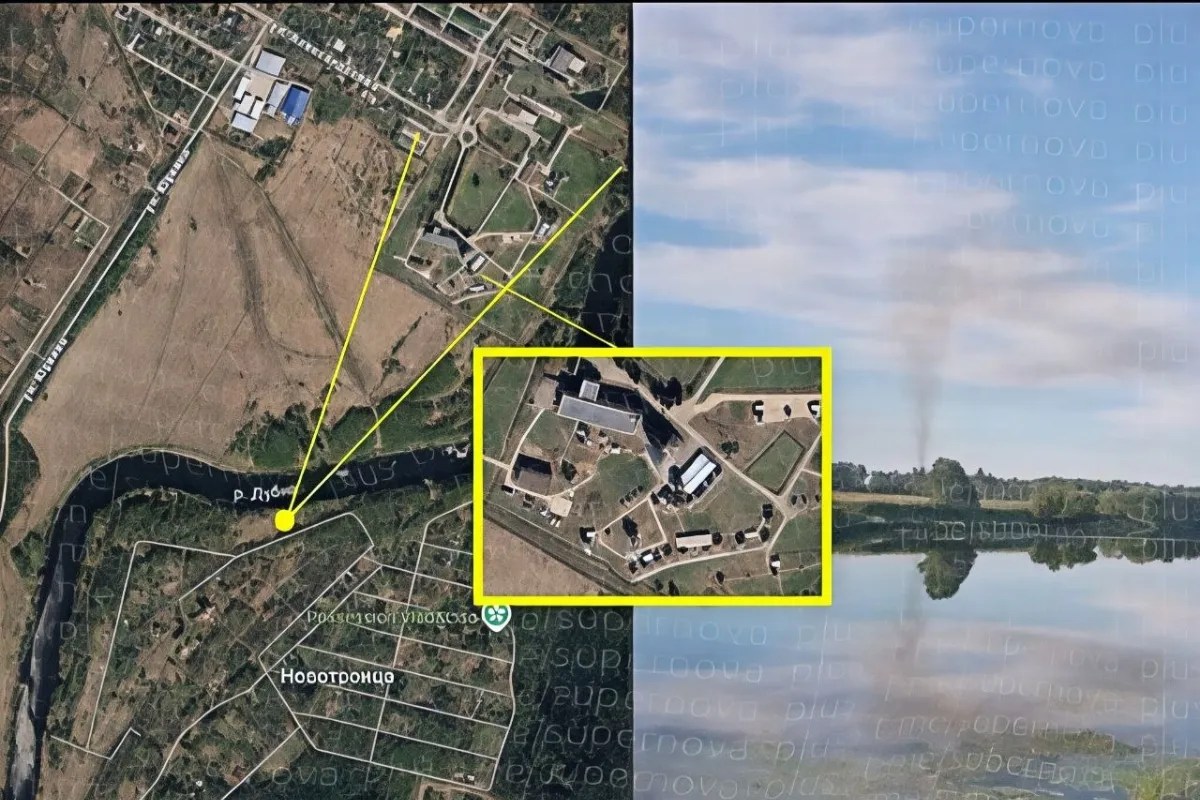
You can't protect everything all the time. That's the painful lesson hitting Moscow right now as Ukraine shifts from defense to an aggressive, asymmetric air campaign deep inside Russian territory. Overnight, Russia's defense ministry reported downing a staggering 419 Ukrainian fixed-wing drones across 18 different regions and occupied Crimea.
This isn't just a minor border skirmish anymore. It's a calculated attempt to stretch Russian air defenses to their breaking point, disrupt military logistics, and hit the Kremlin where it hurts most—their economic and strategic infrastructure. You might also find this similar coverage insightful: The Invisible Line at the Grocery Store.
The Logistics Behind the Moscow Inbound Swarm
Out of the hundreds of drones launched across the country, over 50 were aimed directly at the Russian capital. Moscow Mayor Sergey Sobyanin scrambled to post updates on Telegram around 4 a.m. as air defenses opened fire over the suburbs. While the Kremlin claims most of these targets were neutralized, the sheer volume forced both Domodedovo and Zhukovsky airports to shut down operations entirely.
But when you flood the sky with hundreds of cheap, low-flying targets, some are going to get through. In Yegoryevsk, a town southeast of the capital, falling drone debris struck a private home and ignited a major fire. Emergency workers pulled two adults and two children out of the rubble, but tragically, a six-month-old infant died on the way to the hospital. Additional civilian casualties were reported further south, including an elderly woman killed by debris in the Tver region and a man who died from wounds in Belgorod. As reported in latest reports by The New York Times, the results are worth noting.
Ukraine's primary objective wasn't random suburban targets, though. President Volodymyr Zelenskyy confirmed that Ukrainian forces successfully struck the Dubna space communications center in the Moscow region for the second time in a week. Located more than 500 kilometers from the Ukrainian border, this specific satellite facility plays a critical role in intelligence gathering and coordinating Russia's occupation forces. By taking out high-value hardware like this, Kyiv directly impairs the Kremlin's ability to command its frontline troops.
Why Kyiv Kept the Throttle Down After a Record Week
If you think a 419-drone attack sounds massive, look at the broader context of what has been happening over the last week. Just days prior, Russian authorities reported shooting down an incredible 660 Ukrainian drones in a single 24-hour window. Kyiv is intentionally operating in relentless, overlapping waves to ensure Russian radar crews get zero rest.
This strategy relies entirely on domestic production. Lacking the massive ballistic missile stockpiles of the Russian military, Ukraine spent the last two years building out an industrial base focused on cheap, long-range automated aircraft. They don't need a million-dollar missile to do damage. A $20,000 fiberglass drone carrying 40 pounds of explosives can easily bypass high-end radar if it flies low enough, utilizing the terrain for cover.
By consistently targeting oil refineries, fuel depots, and military communication hubs, Ukraine aims to starve the Russian war machine of its two primary necessities: fuel and data. Just last week, a successful drone strike tore through a refinery in Moscow’s Kapotnya district, showing that even heavily defended industrial hubs remain vulnerable.
The Limits of Layered Air Defense
Russia has a highly sophisticated, layered air defense network. They use S-400 systems for high-altitude threats and Pantsir-S1 mobile units for close-in tracking. But these systems face a fundamental math problem when confronted with asymmetric warfare. A Pantsir missile costs significantly more than the primitive drone it is trying to shoot down. If you throw 400 drones at a region, you force the defender to burn through millions of dollars worth of interceptor stockpiles in a single evening.
Once those missile racks are empty, the next wave of drones has a clear path to the target. This explains why regions far from the front line, like Tula, Ryazan, and the naval hub of Novorossiysk, all reported heavy explosions during the overnight raid.
To blunt future attacks, your immediate focus should shift toward tracking how Russia redistributes its air defense assets away from the front lines to guard civilian infrastructure, a move that could open up massive gaps for Ukrainian ground forces to exploit.


