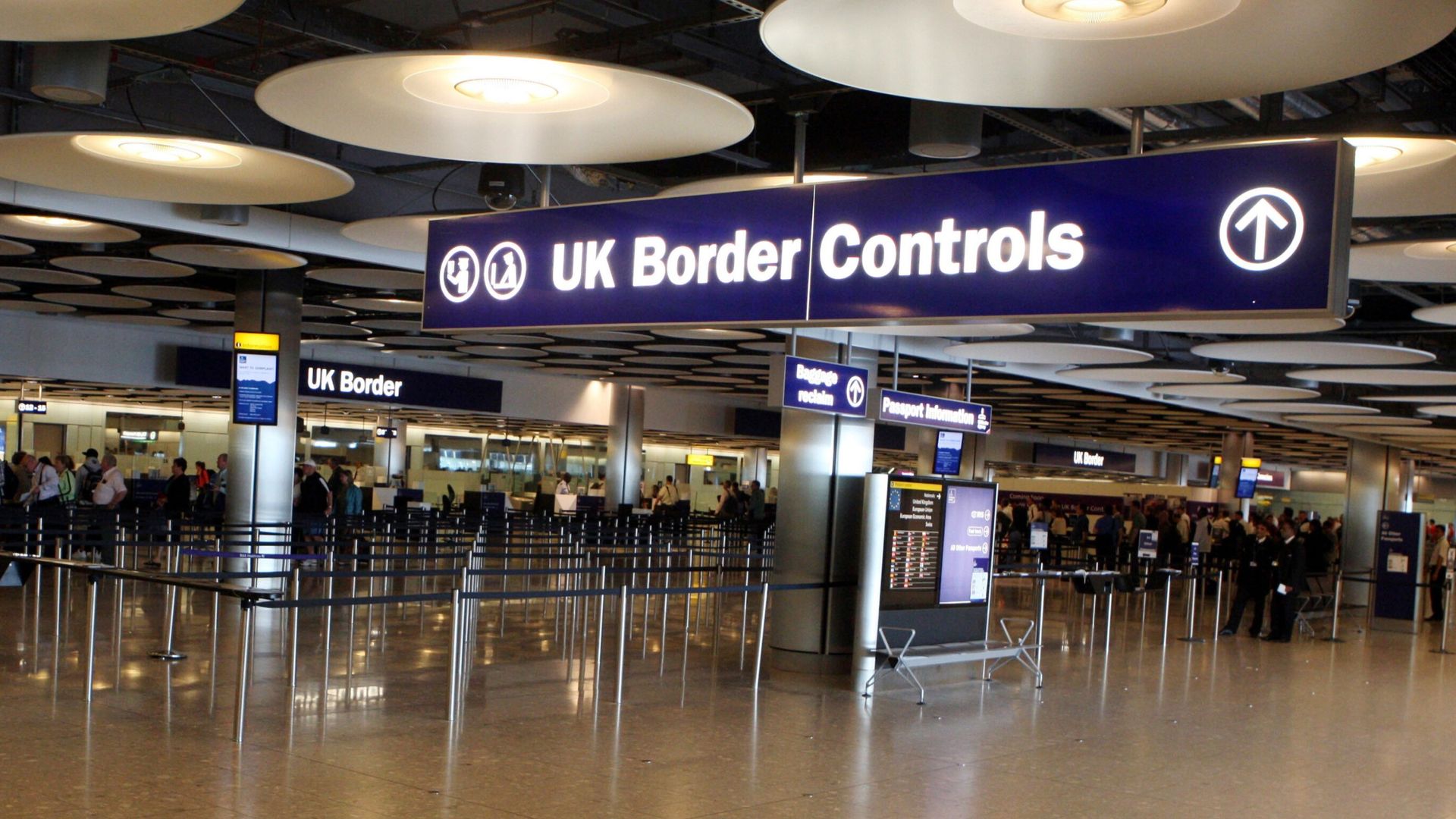
Standing in a Heathrow arrival queue with a exhausted, jet-lagged child is a special kind of purgatory. You watch the solo travelers breeze through the automated lines while you drag your baggage through a winding snake of ropes. But a major policy shift allows thousands of families to ditch the manual queues. The UK Border Force lowered the minimum age for using electronic passport gates from 12 down to 10 years old.
It sounds like a massive win. On paper, it means faster exits and less friction. But if you think this completely solves your airport terminal headaches, you are going to be disappointed.
The reality of navigating these automated barriers with a ten-year-old is full of technical glitches, strict guardrails, and unexpected rejections. Here is what you actually need to know to survive the border terminal without losing your sanity.
The actual rules for ten and eleven year olds at UK arrivals
Let us look at the hard rules first. The policy allows children aged 10 and 11 to use the e-gates across major UK airports, plus international rail terminals like Eurostar checkpoints.
There is a catch. They cannot just wander through alone. Any child aged 10 to 17 must be accompanied by an adult. The system links your processing to theirs. You cannot send your ten-year-old into a gate while you wait outside, and you cannot walk through a single gate jammed together like you are going through a subway turnstile.
The physical mechanics matter here. Each person needs their own gate. You go into one lane, your child goes into the lane right next to you, and you keep a close eye on them while the biometric cameras do their job.
The passport itself must meet specific requirements. It has to be a biometric passport with the microchip symbol on the front cover. If your child is traveling on an older passport without that chip, or if the chip is corrupted from being crammed into a backpack, you are heading straight back to the manual desk. This rule applies to UK citizens, EU citizens, and nationals from eligible visa-exempt countries like the US, Canada, Australia, Japan, and New Zealand.
Why the e-gate age drop does not always save you time
Automation is great when it works. When it fails, it actually adds time to your journey. The e-gate system relies on facial recognition algorithms that compare the live face of the passenger to the digital image stored inside the passport chip.
Think about how much a child changes between the ages of five and ten. If you renewed your child’s passport when they were a toddler, the digital image on file looks like a completely different human being. The facial recognition cameras look for specific distance metrics between the eyes, nose, and chin. A growth spurt completely throws these calculations off.
The machine does not reason. It simply sees a statistical mismatch and shuts the gate.
Then there is the issue of height. The physical camera units inside the e-gates have a fixed range of motion. While the Border Force updated the camera angles to accommodate shorter passengers during their regional airport trials, a shorter-than-average ten-year-old can still struggle to align correctly with the scanning mirror. If they slouch, look down, or move around because they are anxious, the system triggers an automatic rejection.
When a gate rejects your child, you do not just get to reset and try again. A Border Force officer has to step in, look at the screens, and manually direct you out of the automated zone. You are then sent to a dedicated reconciliation desk or straight to the back of the manual queue. You just wasted ten minutes trying to save five.
Crucial passport checks before you approach the barrier
You can prevent most automated rejections before you even board your flight home. It requires looking at your documentation through the lens of a rigid computer algorithm.
Check the passport photo age gap. If the photo was taken more than three years ago, expect the machine to struggle. It is not a guarantee of failure, but it raises the probability significantly.
Look at the physical condition of the passport document. Kids are notoriously rough on items. A bent cover, a slight water stain on the data page, or a peeling laminate layer can prevent the e-gate slot reader from scanning the document correctly. If the machine cannot read the chip within a few seconds, it gives up.
Remove all obstructions before you step into the yellow footprint markers. This is where parents usually mess up. Your child must take off their baseball cap, their winter beanie, and their glasses. Even thick headbands can alter the facial perimeter score on the scanner. Make sure their hair is tucked behind their ears. If their bangs cover their eyebrows, the camera will fail to map their upper face accurately.
The hidden trap of different surnames
This is a massive issue that the official airport signs rarely warn you about. If you travel with a child who has a different surname than yours, the e-gates can turn into a legal trap.
Divorced parents, step-parents, and guardians deal with this constantly. The automated gate does not know your family history. It just reads two passports. If your child passes the biometric scan, the gate opens, and you walk through.
Border Force officers look closely at groups processing through the gates. If an officer notices a surname discrepancy on their monitoring screens, they can pull you aside for a manual check even after the gate opens. They are looking out for child trafficking and unauthorized parental abductions.
If you do not have proof of relationship, you face long delays. To avoid this, always travel with the correct paperwork in your hand luggage.
- A copy of the child’s full birth certificate showing both parents’ names.
- A signed consent letter from the non-traveling parent giving permission for the trip, including their contact details.
- Marriage certificates or change-of-name deeds if your surname changed after the birth certificate was issued.
Having these documents stashed away in your checked luggage does you no good when you are stuck at the immigration barrier. Keep them in your personal carry-on bag.
What to do when the machine rejects your child
Do not panic if the red light flashes and the glass doors stay shut. It happens to thousands of travelers every single day. The worst thing you can do is argue with the gate or try to push your child through.
Instruct your child to remain calm and stay inside the booth. An officer stationed at the monitoring desk behind the gates will see the alert. They will either buzz the gate open manually after looking at their screen, or they will motion you both to step out of the lane.
Follow their instructions instantly. Do not complain about the system or try to explain that the photo really is them. The officers have heard it all. They are following strict security protocols.
Teach your child what to expect before you arrive at the airport. Tell them that a big machine will look at their face, and it might ask them to step forward or backward. Tell them that if it turns red, it just means a human needs to look at their passport instead. Preparing them mentally prevents tears and anxiety at the final hurdle of a long trip.
Practical steps for your next family flight
Now you know how the system functions. Use these steps to navigate your next arrival without a hitch.
Assess the lines visually before choosing your lane. When you walk into the arrivals hall, look at the length of both queues. If the e-gate line is packed with families struggling with young kids, the manual line might actually move faster. Solo business travelers move through e-gates instantly, but families slow the cadence down significantly.
Get your child ready while you are waiting in the queue. Do not wait until you are standing at the yellow line to take off hats, headphones, and glasses. Have the passports open to the photo page in your hand.
Let your child go first if the layout allows, or enter adjacent gates simultaneously. Keep visual contact. Guide them with short verbal commands like "stand on the footprints" and "look at the green light."
If your child is tired, cranky, or simply uncooperative after a long-haul flight, bypass the e-gates entirely. Go straight to the manual desk. It is much easier to let a human border agent handle the interaction than to fight a machine that will inevitably reject a squirming, unhappy ten-year-old.