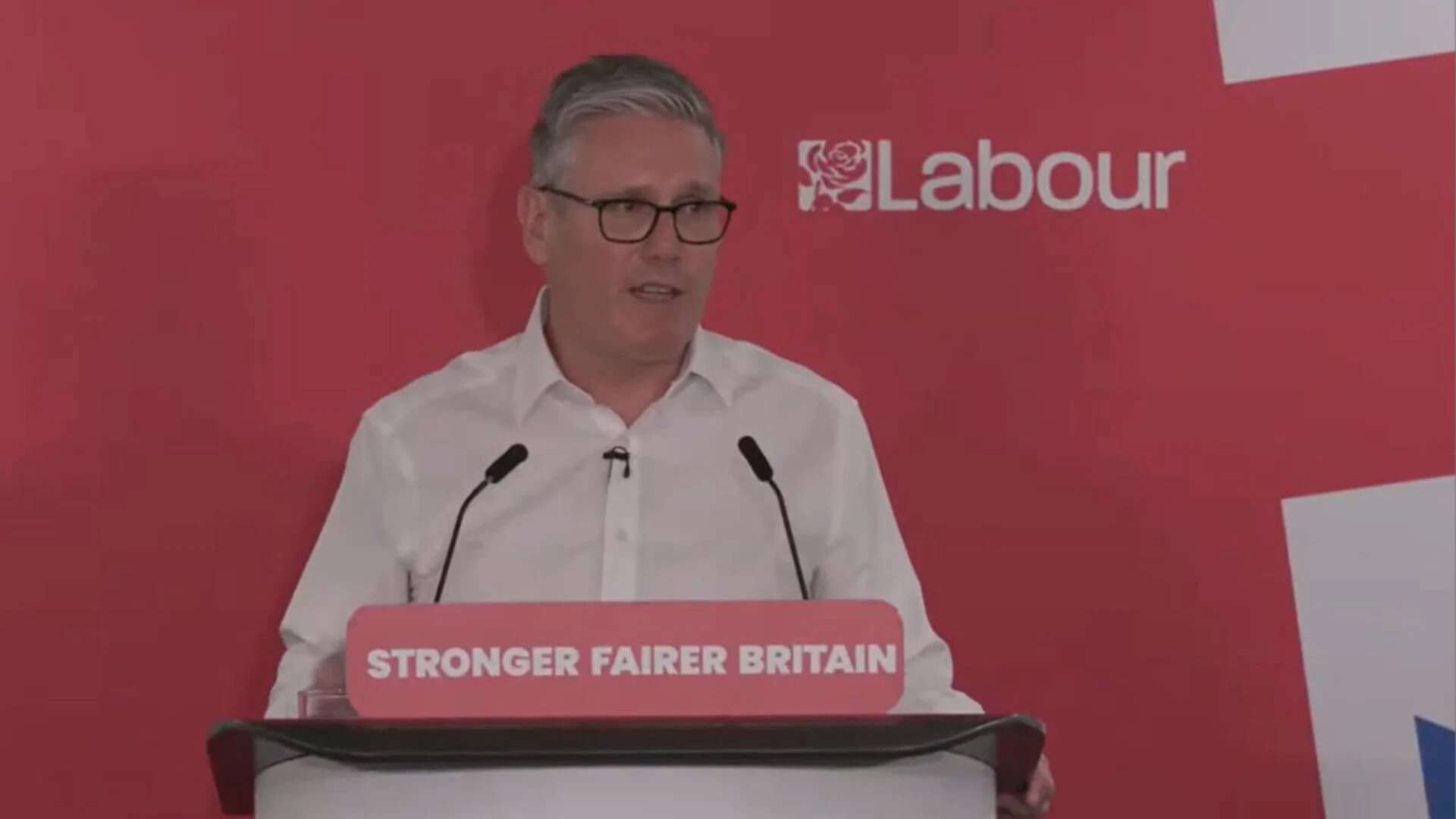
Britain finally looked its own historical cruelty in the face today. Prime Minister Keir Starmer stood in the House of Commons and delivered a formal state apology to the survivors of the UK forced adoptions scandal. For decades, thousands of women who fell pregnant outside of marriage were systematically pressured, bullied, and coerced into giving up their babies. Today, the British government officially admitted its role in this institutionalized tragedy.
It is a moment that campaigners have spent their entire lives fighting for. Between 1949 and 1976, an estimated 185,000 babies were taken from unmarried mothers in England and Wales. These women were not bad parents. They were young, isolated, and vulnerable. Yet public institutions, churches, hospitals, and local councils treated them like criminals.
The prime minister did not mince his words. He looked up at the public gallery where aging mothers and adult adoptees sat watching and said the shame was never theirs. The shame belongs to the state. This acknowledgment matters because for over half a century, the official narrative blamed the mothers. Society told them they gave their babies away willingly. They didn't. They were railroaded by a system designed to strip them of their children and their dignity.
The Reality of the UK Forced Adoptions Scandal
To understand why this formal apology is such a massive deal, you have to look at how these institutions operated. This wasn't a case of a few rogue social workers. It was a massive, government-funded apparatus designed to hide unmarried pregnant women away from polite society.
Young women were packed off to mother and baby homes, often run by religious charities or local authorities. There, they faced harsh, punitive conditions. They were forced to work, cut off from their families, and constantly reminded of their supposed sin. When the time came to give birth, many were subjected to horrific medical treatment and emotional abuse.
Medical staff and social workers would withhold pain relief or block mothers from holding their newborns. They used intense psychological pressure to force them to sign adoption consent forms. Women were told they were worthless, that they would ruin their children's lives if they kept them, and that they had no legal rights. It was state-sanctioned coercion disguised as social welfare.
The Lifelong Trauma for Mothers and Adoptees
The damage didn't stop when the paperwork was signed. It left a permanent scar on everyone involved. Mothers spent decades carrying immense grief and a crushing sense of shame. Many never had more children. They suffered from severe depression and anxiety, unable to speak about the child they had lost because of the intense social stigma.
For the children who were adopted, the consequences were equally severe. Many grew up feeling a deep, inexplicable sense of rejection. They were told their birth mothers simply didn't want them. Because adoption records were tightly sealed, finding out the truth was almost impossible. They were denied access to their own medical histories, their original identities, and their cultural roots.
A Long and Insulting Road to Official Recognition
The fight for this apology has been agonizingly slow. While other nations moved forward to address similar historical wrongs, the UK dragged its feet for years.
Australia set the standard back in 2013 when then-Prime Minister Julia Gillard delivered a historic national apology for forced adoptions. Ireland followed with its own reckoning over the notorious mother and baby homes, exposing the high mortality rates and systemic abuse faced by unwed mothers and their children.
In the UK, the devolved governments in Scotland and Wales issued official apologies in 2023. Yet the central UK government refused to budge for a long time. In 2022, a parliamentary Joint Committee on Human Rights conducted a major inquiry. Their report clearly stated that the British government must apologize for the suffering caused by state employees who forced these adoptions.
The Conservative government at the time gave a flat refusal. Instead of taking state responsibility, they offered a weak statement saying they were sorry "on behalf of society." That felt like a slap in the face to survivors. It shifted the blame back to general social attitudes rather than acknowledging that public money and state institutions funded and ran the system.
Recent Steps from the Church and Activists
Pressure kept building. In June 2026, the Church of England finally issued its own apology for its role in managing these homes. Archbishop Sarah Mullally expressed profound sorrow for the trauma and stigma experienced by families in church-affiliated institutions.
Activists refused to let the issue die. Women like Ann Keen, a former health minister whose baby was taken for adoption in 1966 when she was just 17, kept telling their stories. Keen spoke about the immense relief of finally being released from the false narrative that she simply gave her baby away. That tireless campaigning is what forced the government to act today.
What Keir Starmer Said in the House of Commons
Starmer spoke directly about the systemic failures that enabled these practices. He acknowledged that the British state funded, legitimized, and enabled the local authorities, health services, and voluntary groups that took these children.
The prime minister emphasized that these were not accidental occurrences. They were deeply embedded practices within what is now the National Health Service and various local government structures. The state failed to protect vulnerable citizens, and that failure was total.
Education Secretary Bridget Phillipson mirrored these sentiments. She noted that families were cruelly denied irreplaceable moments and relationships. The current government stance is that words are a start, but practical support must back them up.
The Specifics of the Four Million Pound Support Package
An apology without resources is just cheap talk. The government announced a financial package worth £4 million over the next three years to try and undo some of the ongoing damage.
This funding is targeted at helping people untangle the messy web of historical records. A significant portion of the money will go to CoramBAAF, a major adoption charity, to help individuals access their adoption files. For decades, survivors have faced endless bureaucratic red tape just to find out their original names or who their parents were.
Another chunk of the money will fund intermediary services like Family Connect. These services help biological families safely and legally reconnect with one another. When people try to track down lost relatives on their own through commercial DNA registries, it can lead to intense emotional distress and messy complications. Professional support makes a huge difference.
The funding will also support testimonial and research projects. The goal is to document the long-term impact of these forced adoptions so this chapter of British history is never forgotten or rewritten.
Why the Current Measures Face Criticism
While the mood in Westminster today was solemn and historic, many campaigners say the government needs to go much further. The £4 million fund is a drop in the ocean compared to the scale of the problem.
Adoption UK chief executive Emily Frith pointed out that while the funding is a step forward, it is strictly limited in both time and scope. Three years of funding will not fix a lifetime of psychological trauma. The process of searching for family members and processing the emotional fallout takes years of specialized, trauma-informed therapy.
Many activist groups are demanding a comprehensive program of financial redress and lifelong support. They argue that if the state admits it caused this harm through systemic failure, it needs to pay for the long-term healthcare and psychological treatment of those it damaged.
The Fight for Legal Redress and Record Access
There are also major legal hurdles that this apology does not solve. Many adult adoptees face massive barriers when trying to change their legal status or update their birth certificates. The current legal framework still treats historical adoptions as permanent and unalterable, even when everyone agrees the adoption was secured through illegal coercion.
Accessing records remains a lottery depending on which local authority holds the files. Some councils are helpful, while others are chronically understaffed and take months or years to respond to basic requests. A £4 million fund spread across the entire country won't magically modernize these archaic record systems overnight.
The Continuing Impact Past the Nineteen Seventies
The government focused its apology primarily on the years between 1949 and 1976. That was the era before stricter consent procedures were introduced in the UK. However, multiple campaign groups point out that coercive adoption practices did not magically disappear after 1976.
Even into the 1980s and 1990s, many vulnerable mothers, particularly those with learning disabilities or those leaving the care system, report that they faced intense pressure from social workers to give up their children. The government did acknowledge today that it is upsetting to hear of cases outside the official timeframe, but the formal apology and funding don't fully cover those later victims.
This leaves a significant number of people feeling excluded from today's historic moment. The narrative that forced adoption is purely a historical issue from the mid-twentieth century ignores the ways the child welfare system continued to use heavy-handed tactics in later decades.
How Survivors Can Access the New Support Services
If you or someone you know was affected by these historical adoption practices, you don't have to navigate the system alone anymore. The newly announced funds mean that specialized help is becoming more accessible.
Your first step should be contacting organizations like CoramBAAF or Pac-UK. They have advisors who specialize in tracking down historical records and helping you understand your legal rights. They can guide you through the process of applying to access your original files from local authorities or the General Register Office.
For those looking to find biological relatives, utilizing an approved intermediary service like Family Connect is highly recommended. They provide a structured, supported environment for making contact, which helps protect both parties from the shock and emotional overwhelm that often accompanies these reunions. Do not rush into using commercial DNA databases without having emotional support in place first. The truth can be incredibly healing, but it can also open up old wounds that require professional help to manage.