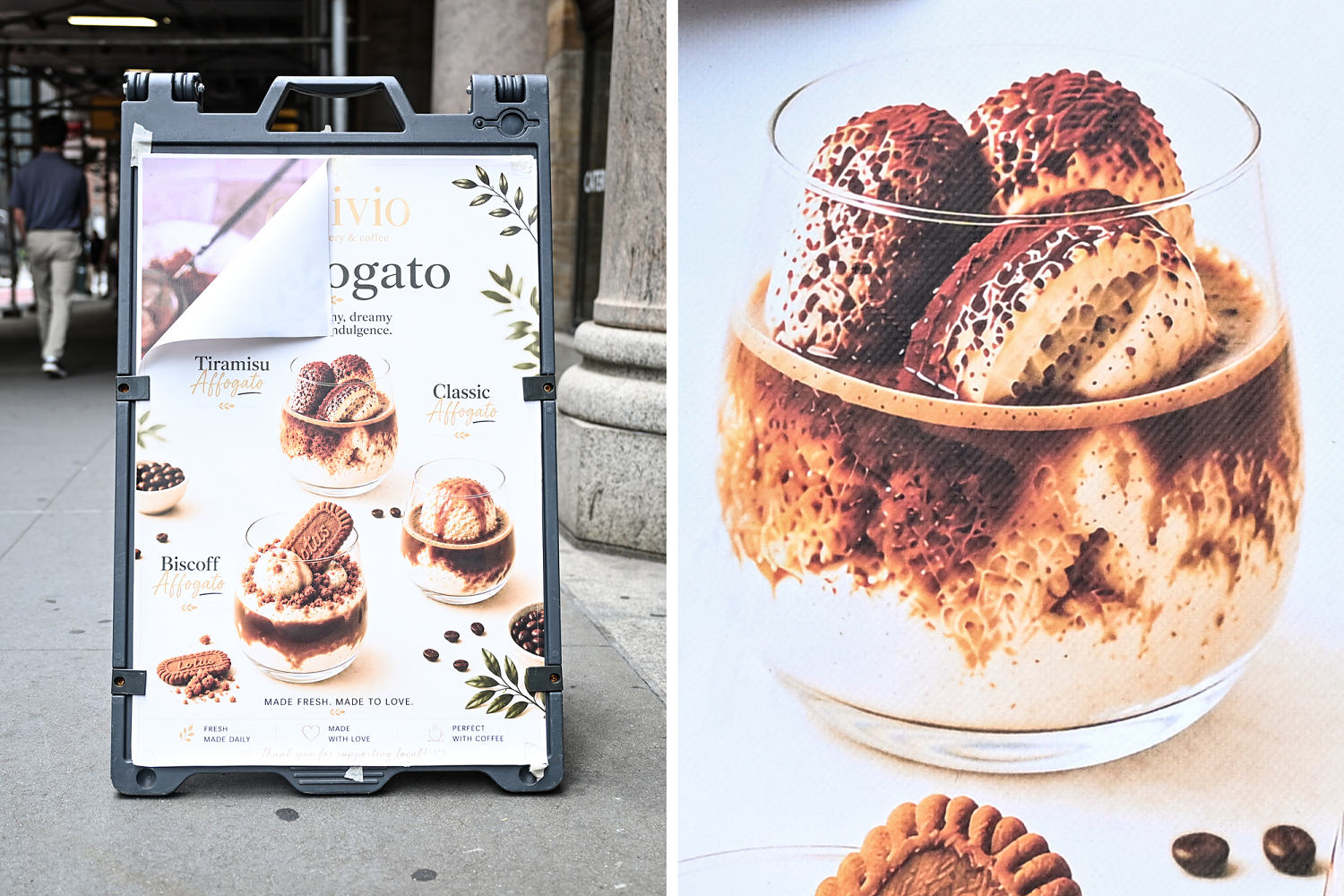
Every food critic and pearl-clutcher with a laptop is currently crying into their artisan sourdough because a local bistro used a machine-learning tool to generate a picture of a sizzling ribeye that looks like a biological hazard. They call it dystopian. They call it an insult to culinary art. They write outraged op-eds claiming that customers are losing their appetites over digital artifacts, glitchy text, and mutant chicken wings floating in a void of procedural pixels.
They are missing the entire point. Building on this topic, you can also read: Why Calling KLA Corporation A Great Company Is Financial Laziness.
I have watched independent operators burn through thirty thousand dollars a quarter just to keep their print menus updated while ingredient costs swing wildly like a crypto chart. I have seen family-owned kitchens paralyzed by the tyranny of graphic designers who charge four hundred bucks to change the price of a house merlot. The moral panic over synthetic imagery on diner tables is nothing more than upper-middle-class nostalgia throwing a tantrum against economics.
The Cost of Perfection Experts at Harvard Business Review have provided expertise on this situation.
Let us look at the lazy consensus. The common narrative states that a menu must be a pristine, hand-crafted artifact. It should smell like heavy cardstock, feature hand-drawn typography, and display photographs of food shot by a professional stylist who glued sesame seeds to a burger bun with Elmer's glue and sprayed the lettuce with glycerin.
This model is financially dead. It just refuses to fall down.
When a restaurant adopts procedural menu generation, they are not cutting corners on laziness. They are reallocating capital away from vanity projects and toward rent, payroll, and sourcing better beef. The customer complaining that an AI-generated image of a bowl of ramen has six chopstick handles is the same person who complains when a plate of pasta costs twenty-eight dollars. You cannot demand artisanal everything while refusing to pay for the labor required to sustain it.
Deconstructing the Visual Disgust
The core complaint centers on uncanny valley revulsion. People claim that distorted hands holding a taco or a surreal cheese pull destroys their desire to eat.
This argument assumes that traditional food photography was somehow an honest broker. It never was. For decades, the industry relied on motor oil substituted for maple syrup, mashed potatoes standing in for ice cream under hot studio lights, and plastic polyurethane burgers. Commercial food styling is industrial deception disguised as appetite appeal.
When a neural network coughs up a slightly distorted plate of pad thai, it is honest about its artificiality. It lacks the slick, predatory manipulation of Madison Avenue advertising. It is raw utility. It says, "Here is roughly what fried dough looks like at 2 AM when your blood sugar is crashing."
Imagine a scenario where every neighborhood diner has access to real-time, dynamic pricing and inventory updates powered by local supply chains. The menu changes nightly based on what the fishmonger actually caught that morning. The catch? The accompanying illustration was whipped up by an algorithm in three seconds and has a minor rendering glitch on a garnish. If you choose a plate of fresh halibut over a digital artifact, your priorities are straight. If you walk out because the font looks like a video game loading screen, you were never there for the food anyway.
The Operational Reality
Margins in hospitality hover between three and five percent on a good day. Most restaurants fail within twelve months not because their branding lacked soul, but because their cash flow management was a disaster.
Dynamic, algorithm-driven menu architecture solves three major operational bottlenecks instantly:
- Inventory Agility: When celery spikes in price due to a regional drought, automated systems rewrite descriptions and shift featured pairings overnight without requiring a new print run.
- Localization Speed: Menus can instantly translate into fourteen languages with regional flavor adjustments tailored to daily tourist demographics, completely bypassing translation agency fees.
- Waste Reduction: Specials that utilize surplus inventory can be pushed to the top of digital displays immediately, converting potential food waste into cash flow before closing time.
The critics want you to believe that a beautiful linen menu somehow preserves the soul of hospitality. Ask any line cook working a Friday night rush on a flat salary if they care about the font weight on page two. Soul does not live in Adobe InDesign files. Soul lives in the speed of the service and the heat of the pan.
The Real Threat to Dining
The danger is not that machines are designing menus. The danger is that human beings are spending so much energy policing aesthetic trivia while the actual economics of feeding people collapse under the weight of inflation, commercial rent hikes, and delivery app monopolies.
If a synthetic image of a club sandwich keeps a kitchen solvent for another month, embrace the mutants. Eat the weird pixels. Support the place keeping its doors open while the purists starve on their own principles.
Stop mourning the loss of the laminated cardstock. The future belongs to the operators who realize that a functional menu that exists on a screen is worth infinitely more than a masterpiece that bankrupts the kitchen.


