The desk lamp always hums at three in the morning. It is a dry, tired sound, the noise of a plastic housing vibrating against a mahogany veneer that has seen too many nights of quiet desperation. Across the screen, green lines of code compile, break, re-compile. Somewhere down the hall, a child sleeps who was born in Ohio but speaks of India as a distant kingdom of grandparents and mango trees they have only ever experienced through pixelated video calls.
For the high-skilled engineers who cross the ocean on an F-1 visa, the journey into the American tech ecosystem begins with an anchor dropped in deep water. You arrive young, carrying a suitcase too heavy with textbooks and winter coats bought second-hand. You sit in lecture halls at Purdue or Carnegie Mellon, tracing equations on chalkboards, believing that merit is a straight line. You think that if you work harder, code cleaner, and solve harder problems, the door will open.
Then reality sets in.
Consider the mathematics of the wait. It is not merely a bureaucratic delay; it is a distortion of human time. A brilliant software architect from Bengaluru, holding patents that power cloud infrastructure used by millions, finds himself tethered to a single employer like a medieval serf to a parcel of land. If the server crashes, he fixes it. If his manager is toxic, he stays. If his child breaks an arm, he calculates the deductible against the looming expiration date of an extension stamp in his passport.
The H-1B visa, conceived as a bridge for specialized talent, has curdled into a cage of administrative anxiety. And yet, the conversation surrounding it is constantly hijacked by extremes. On one side, bad actors exploit the system, treating human beings as disposable commodities through shell companies and lottery mills. On the other side, xenophobic rhetoric paints every immigrant as an economic threat. Both narratives miss the human center of gravity entirely.
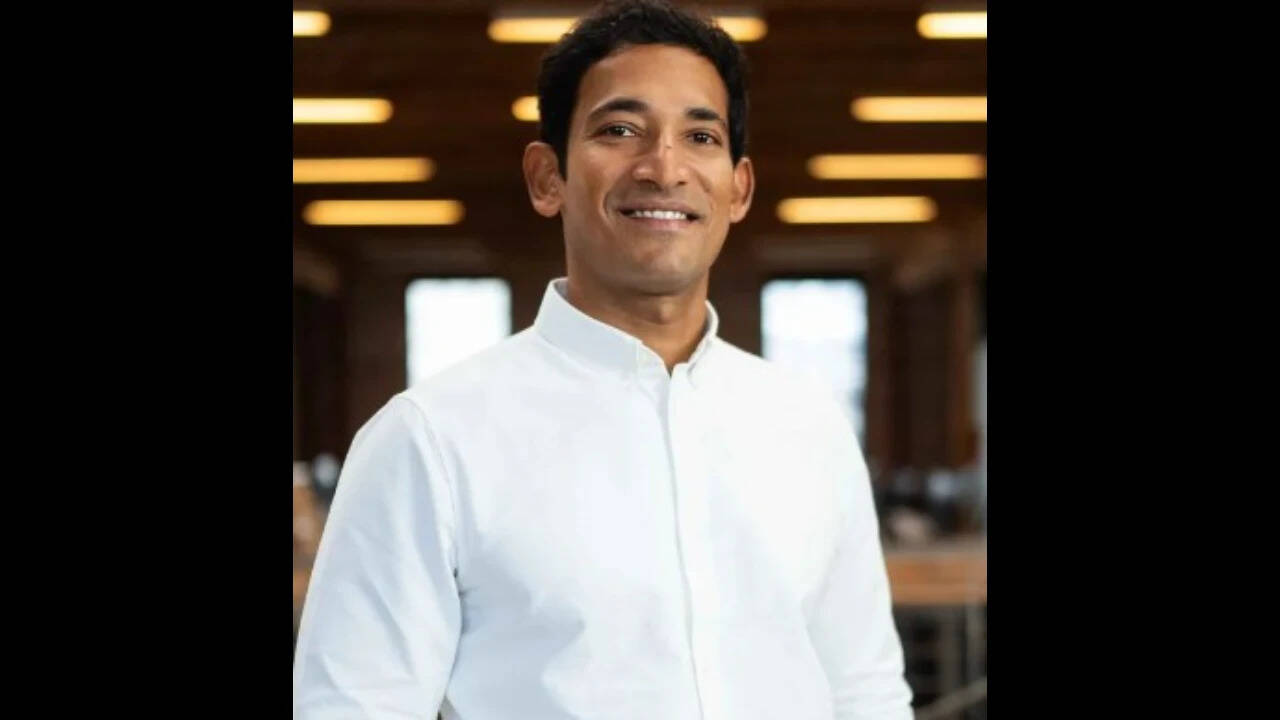
Let us be entirely clear about the mechanics of the floor beneath us. When a tech leader with deep roots in both worlds steps forward to declare that high-skilled Indian nationals face a uniquely brutal pathway to citizenship, they are not exaggerating. They are reading the ledger of the per-country caps.
Imagine standing in a line where people from every nation on Earth are waiting for bread, but the bakers have decided that only seven percent of the loaves can go to people from the largest village, regardless of how many people live there, how hungry they are, or how much flour they brought to the bakery. Meanwhile, the lines from smaller villages move in minutes. That is the employment-based green card backlog. For Indian nationals, the wait time stretches not into years, but into decades. Generations, even. Some estimates place the backlog for EB-2 and EB-3 categories well past a century for those currently entering the queue.
Dead men do not get green cards. But sometimes, children age out of them.
That is the quiet tragedy whispered about in corporate cafeterias and WhatsApp parent groups across Silicon Valley and Seattle. A teenager grows up playing Little League, cheering for the home team, applying to American universities as an international student because they turned twenty-one while their parents' priority date remained frozen in administrative amber. Overnight, the child who knew no other home is forced to self-deport or navigate a frantic scramble for their own temporary visa.
This is not efficiency. This is administrative cruelty masquerading as policy.
Yet, to fix this, we must also look squarely at the rot within the intake pipeline. The system is simultaneously too harsh on the innocent and too porous for the dishonest. H-1B abuse is real. It takes the form of outsourcing firms flooding the lottery with multiple registrations for the same candidate, crowding out genuine innovators who want to build lives and roots in the United States. When bad actors game the system, they provide political ammunition to those who wish to close the doors entirely.
The tech leader's assertion that H-1B abuse should one hundred percent stop is not a contradiction to advocating for citizenship reform; it is its prerequisite. You cannot defend a leaky boat while bailing out water with a thimble. To protect the integrity of high-skilled immigration, the entry mechanisms must be ruthlessly clean, transparent, and merit-focused, completely purged of lottery manipulation and wage undercutting.
At the same time, once talent is vetted, integrated, and proven within the economy, keeping them in perpetual limbo is economic self-harm. Why import the brightest minds from Bangalore, Hyderabad, and Chennai, train them at top American institutions, let them invent the very algorithms that keep American companies globally dominant, and then tell them they must live with their bags half-packed for twenty years?
It defies logic. It defies common sense.
The desk lamp clicks off. The code is finally running. In a few hours, the sun will rise over an American suburb, illuminating manicured lawns, SUVs, and mailboxes bearing the names of families who have given the best years of their working lives to a country that still views them as temporary guests. They pay taxes. They coach soccer. They buy homes. They dream the same quiet dreams of security and retirement as anyone else.
The glass ceiling above them is not made of steel. It is made of paper, stamps, and antiquated quotas written in an era before the internet shrank the globe. Until we have the courage to tear down those paper walls and punish those who game the foundation, we will continue to watch our best minds look toward Berlin, Toronto, and London, wondering why they ever bothered unpacking their bags in the first place.