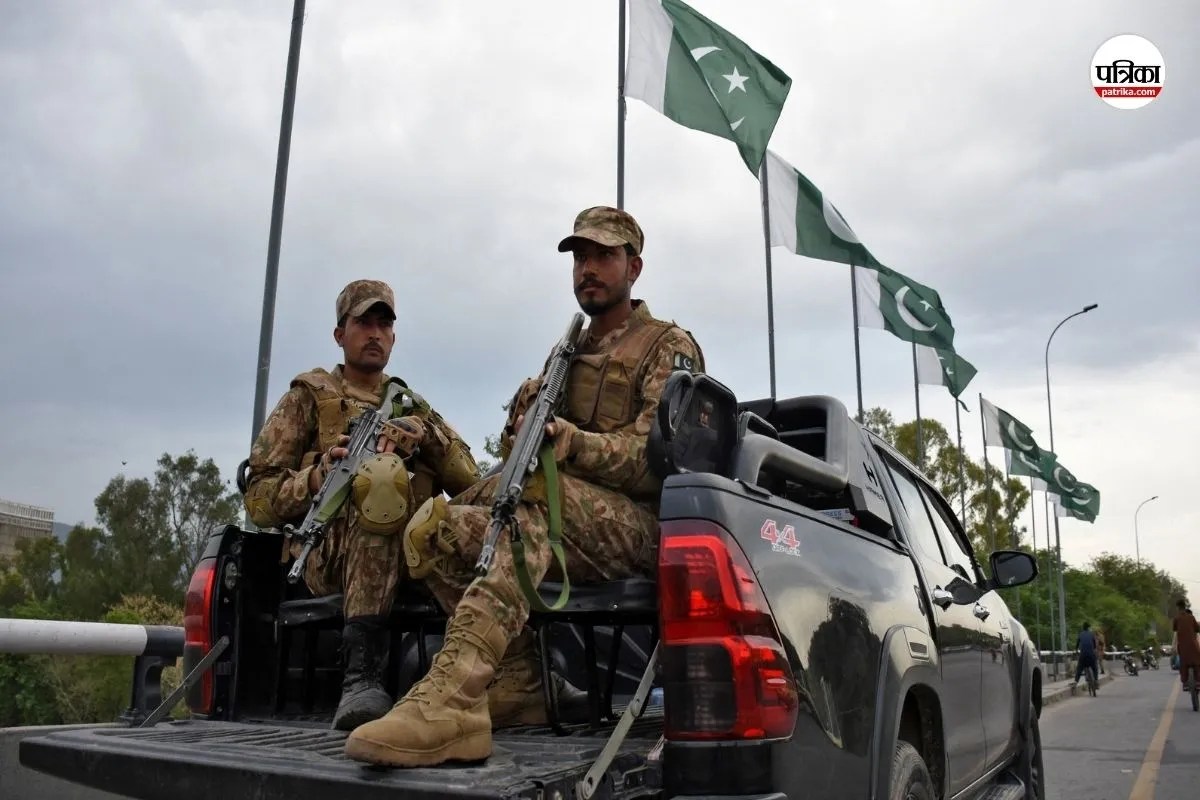
When five lives end in a sudden security raid, official statements call them armed insurgents neutralized. But local families often see a terrifyingly familiar pattern of extrajudicial violence.
In resource-rich Balochistan, the friction between state security apparatuses and local populations runs deep. When groups of young men turn up dead after operations touted by the Counter Terrorism Department or military branches, the official narrative is rarely accepted on the ground. Instead, grieving relatives step forward with registration numbers from missing persons lists, claiming these individuals were already locked away in detention cells for weeks or months.
The Mechanics of Disputed Operations
How does a routine counter-terrorism sweep turn into an international human rights crisis?
The sequence usually follows a grim blueprint.
- A sudden night raid or a cordoned-off area in districts like Ziarat, Turbat, or Pishin.
- State media announces the elimination of high-risk militants, displaying recovered weapons and ammunition.
- Families recognize the faces of the deceased, filing petitions or launching sit-ins because their sons, brothers, or students were abducted months prior.
Human rights organizations like the Human Rights Commission of Pakistan (HRCP) and local bodies like the Voice for Baloch Missing Persons (VBMP) have repeatedly flagged these staged killings. They point out that enforced disappearances act as a primary tool to silence political dissidents, student activists, and intellectuals. When detained individuals are tortured and ultimately executed, labeling them as foreign-backed terrorists becomes a convenient shield against accountability.
Demanding Global Oversight
Local protests don't stay confined to quiet street corners. Families camp out in harsh weather for weeks, refusing to bury their dead until independent commissions listen. Because domestic legal channels frequently stonewall investigations involving state security forces, activists increasingly appeal to international bodies.
The United Nations faces continuous pressure to step in, investigate systemic enforced disappearances, and establish independent oversight on counter-terrorism powers in western Pakistan. Global intervention remains a fragile hope for communities who feel entirely unprotected by their own legal frameworks.
You cannot simply sweep thousands of missing citizens under the rug and expect communities to remain silent. Until transparent judicial inquiries replace opaque military justifications, the cycle of grief, protest, and international appeals will only intensify across the region.


