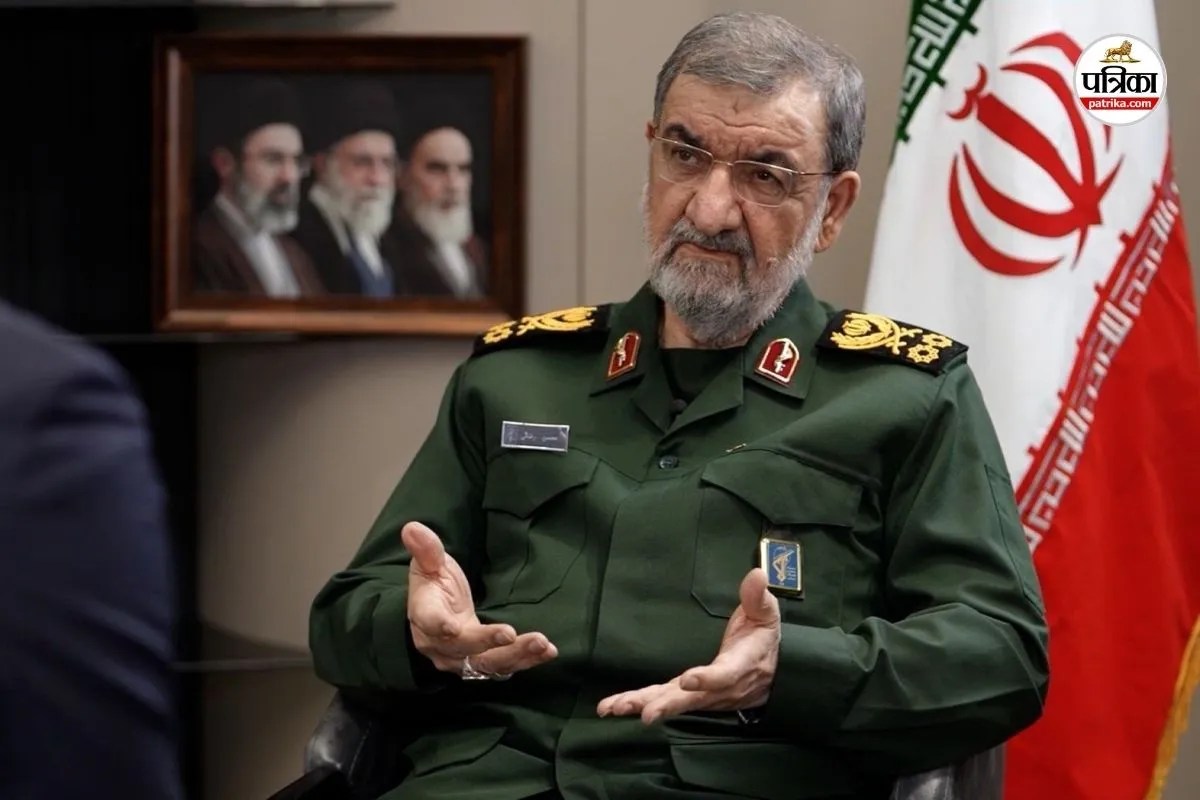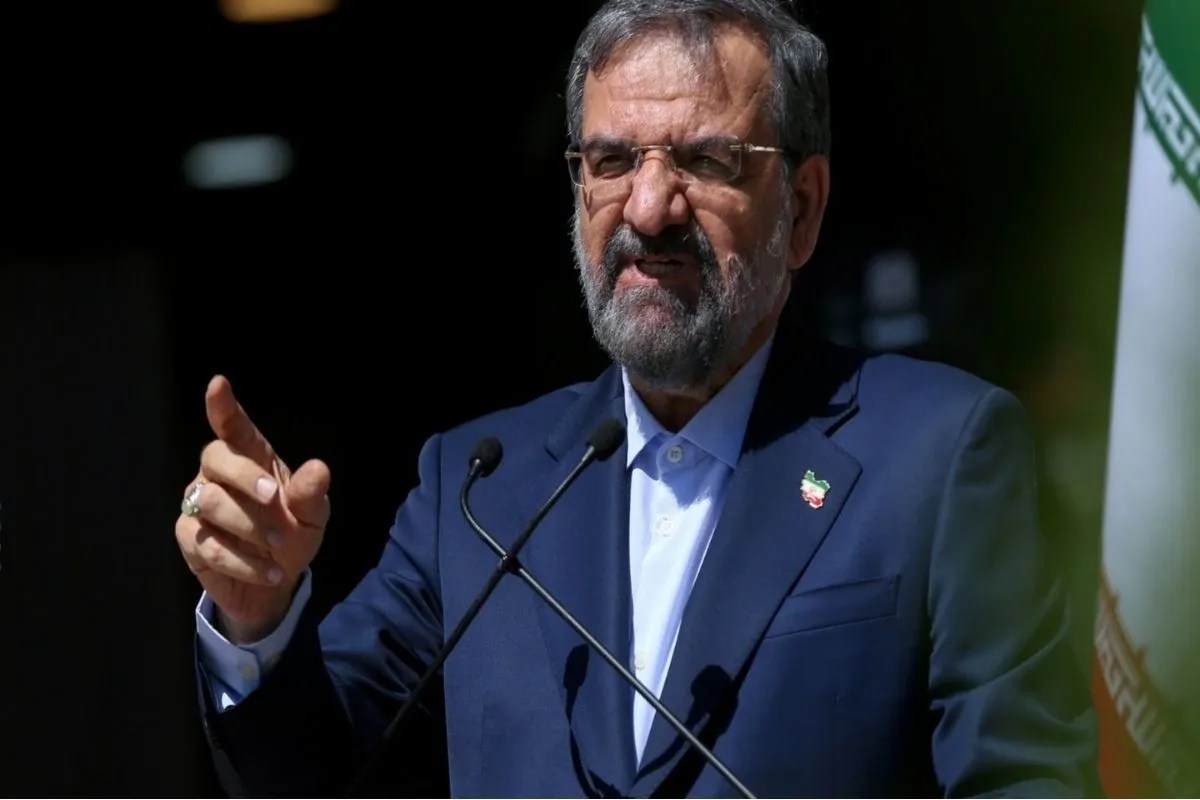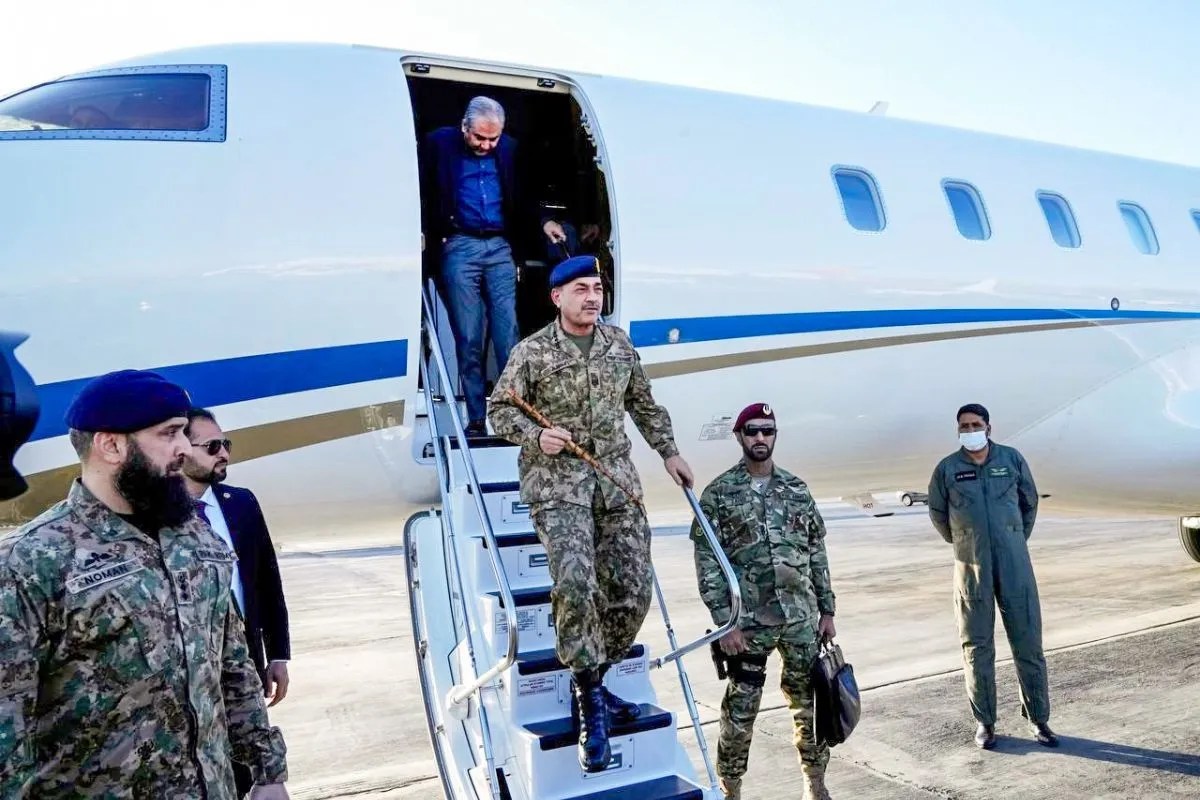
"Get back on your plane." That is the line dominating headlines. Supposedly, Iran told Pakistan’s army chief Asim Munir to pack up and leave while he carried a Donald Trump ultimatum.
It makes for great theatre. It also misreads how regional power actually works. Recently making waves in this space: When Leaders Draw Lines in Sand and Rumors Fly Like Sparks.
When a sensational diplomatic clash hits the wire, the lazy consensus rushes to a simple scorecard. One side humiliated. One side stood tall. A dramatic envoy shuttling between capitals with a make-or-break threat from Washington. That framing sells clicks because it turns complex, gritty statecraft into a barroom brawl.
Except diplomacy between Tehran, Islamabad, and Washington rarely operates on movie-script insults. Even if sharp words were exchanged behind closed doors—or leaked selectively to shape domestic narratives—treating a blunt rebuke as the whole story blinds you to the leverage being tested. Additional information regarding the matter are covered by NPR.
I have spent years watching strategic analysts and policy teams burn credibility by chasing viral diplomatic moments instead of structural incentives. I have seen governments and businesses blow millions betting on dramatic "turning points" that turned out to be routine pressure tactics dressed up for public consumption. When you confuse theatrical friction with real alignment or real rupture, your read on the board is wrong before the first move is made.
The Lazy Consensus Around Envoys and Ultimatums
Let us define the terms properly before dissecting the noise. Compellence, a concept sharpened by political scientist Thomas Schelling in Arms and Influence, is the use of threat to force an adversary to do something they otherwise would not do. An ultimatum is an extreme form of compellence with a deadline and an explicit penalty. Mediation or backchanneling, by contrast, relies on plausible deniability, face-saving ambiguity, and quiet trade-offs.
Publicly framing an envoy's visit as a stark "ultimatum" usually serves one of two purposes. Either the sender wants domestic audiences to see tough resolve, or a third party wants to poison the well between two other actors. When an outlet claims a military chief was told to get back on his plane over a Washington ultimatum, you have to ask a basic question: who benefits from that exact narrative reaching the public?
In South and West Asian geopolitics, nothing leaks by accident. Every rumor about a heated meeting, a slammed door, or a dismissive remark to a general like Asim Munir carries a signal. Sometimes it is meant to reassure skeptical factions at home that leadership is not kowtowing to foreign pressure. Sometimes it is meant to signal to Washington or Gulf capitals that bilateral ties have limits.
Imagine a scenario where two governments have a tense, functional conversation about border security, trade corridors, or regional de-escalation, and an outside observer leaks a sanitized, dramatic version—‘get back on your plane’—to make one side look defiant and the other look rebuffed. The headline gets shared ten thousand times. The actual policy needle barely moves.
That is the trap of headline-driven analysis. It mistakes noise for signal. It assumes that a sharp exchange equals a closed door. In reality, states with overlapping security headaches—like porous borders, militant spillover, sanction evasion, and shifting great-power pressures—rarely afford permanent theatrical exits. Generals and foreign ministries talk even when the public mood is sour.
Why You Are Asking the Wrong Question
Most readers looking at this story ask a predictable set of questions. Did Iran reject Trump's ultimatum? Was Asim Munir humiliated? Does this mean Pakistan and Iran are heading toward a major diplomatic freeze?
Those are the wrong questions. They treat diplomatic friction as a binary switch—on or off, friend or foe, submit or defy.
The sharper question is this: What constraints is each actor trying to manage without paying the cost of an open crisis?
Consider the position of each piece on the board:
- Washington (under Trump): Uses maximum pressure, transactional bargaining, and unpredictable deadlines to force concessions or shift burdens onto regional partners. An ultimatum or hard line is a negotiating anchor, not always a literal walk-away point.
- Tehran: Faces severe economic strain, regional security pressures, and constant scrutiny over its nuclear and regional posture. Projecting unyielding defiance—especially against perceived external pressure—protects domestic legitimacy and deters adversaries from assuming Tehran will fold under threat.
- Islamabad (and Asim Munir): Balances deep economic and security ties with external powers against the reality of sharing a long, volatile border with Iran. Pakistan cannot afford reckless escalation on its western flank while managing domestic economic recovery and eastern security concerns.
When you look through that lens, a blunt pushback from Tehran to an intermediary or visitor is not necessarily proof that diplomacy collapsed. It can be proof that Tehran is setting a price. And a Pakistan army chief being in the room—or being linked to high-stakes messaging—reflects how central military institutions remain to Pakistan's foreign and security calculus, whether civilian politicians like it or not.
Dismantling the "People Also Ask" Premises
If you search for this story, the usual follow-up questions pop up like clockwork. Let us strip away the fluff and answer them straight.
Did Iran really tell Asim Munir to "get back on your plane"?
Treat viral diplomatic quotes with extreme skepticism unless corroborated by multiple credible, independent sources with direct access. High-level diplomatic and military meetings rarely feature literal Hollywood one-liners without context—and when such lines circulate in media or social feeds, they are frequently exaggerated, translated loosely, or planted to shape perception. Even if a sharp line was spoken, treating a single quote as the totality of bilateral relations is lazy analysis.
Why would a Pakistani army chief carry a message tied to Donald Trump?
Regional states frequently act as conduits, sounding boards, or shock absorbers when direct communication is strained or politically costly. A powerful military establishment like Pakistan's often plays a dual role: managing direct security coordination with neighbors while maintaining strategic channels with Washington. Whether a visitor is carrying a formal ultimatum, testing temperature, or pitching a face-saving off-ramp, intermediaries exist precisely because direct talks are messy.
Does a harsh rebuke mean Iran is isolated or winning?
Neither. Calling it a "win" or "isolation" based on a single reported exchange is premature. Defiance can buy short-term political points while hardening long-term negotiating positions. Conversely, pushing back hard against perceived pressure can signal resolve without solving underlying economic or security bottlenecks. Real leverage shows up in concrete concessions, trade flows, border stability, and sanction relief—not in who sounded tougher in a leaked recap.
The Mechanics of Performative Toughness
To see why so many commentators get burned here, look at the gap between performative toughness and structural leverage.
Performative toughness is cheap in the short run. It sounds great on television. A leader or spokesperson draws a hard line, rejects outside pressure, and tells outsiders to back off. It energizes loyalists and punishes critics who favor compromise.
Structural leverage is much harder to fake. It comes from things your counterpart cannot easily replace:
- Economic weight: Trade volume, investment, energy transit, and access to financial systems.
- Security indispensable-ness: Intelligence sharing, border control, counter-militancy, or the ability to escalate or calm a conflict.
- Diplomatic bandwidth: The credibility to broker deals or block initiatives in multilateral forums.
When analysts read a dramatic story about an ultimatum and a sharp dismissal, they often overrate performative toughness and underrate structural constraints. Realists from Hans Morgenthau to Kenneth Waltz emphasized that states act within structural limits and national interests, even when rhetoric runs hot. A sharp retort does not erase geography. Iran and Pakistan still share a border. Washington still shapes global financial and strategic pressures.
What You Should Actually Do With This Information
If you are an investor, business leader, policy watcher, or informed citizen trying to make sense of headlines like this, stop trading on outrage and start tracking second-order effects.
- Audit the source and incentive: Before believing a dramatic quote about a diplomatic clash, ask who leaked it and what narrative shift they wanted. Look for confirmation across different media ecosystems rather than echo chambers.
- Watch the quiet metrics, not the loud ones: Ignore the loudest insult of the week. Watch trade rules, border closures or openings, diplomatic recalls, shipping and insurance rates, and official policy statements over the next 30 to 90 days.
- Price in tail risks without living in fantasy: Do not assume war or total rupture just because rhetoric spikes. At the same time, do not assume calm will hold forever if underlying frictions keep piling up. Build contingencies around plausible shifts in sanctions enforcement, regional transit, and security spillovers.
- Separate domestic posturing from external policy: Governments regularly talk tough for home consumption while quietly managing practical interests abroad. Judge them by what they sign, fund, and enforce—not just what they say for cameras.
Where My Contrarian Take Can Go Wrong
Honesty requires admitting the blind spots of taking a skeptical, anti-sensationalist view.
First, sometimes the dramatic story is true. History is full of moments where leaders miscalculated, tempers flared, an envoy was cold-shouldered, or an ultimatum backfired worse than expected. Over-correcting into permanent cynicism can make you miss genuine inflection points when they actually arrive.
Second, my emphasis on structural incentives can underplay human ego, miscommunication, and domestic politics. Leaders are not calculating machines. Misread signals, pride, and internal political survival can push states into moves that look irrational on paper.
Third, information in closed or contested diplomatic environments is always incomplete. Calling out a lazy consensus does not mean having secret access to the room; it means demanding better evidence before buying a convenient story.
Stop Falling for the Simplest Story in the Room
Sensational headlines feed on your desire for instant clarity: a villain, a hero, a winner, a loser, and a punchline. Real geopolitics is messier, slower, and far less cinematic. Ultimatums are often bargaining theater. Sharp rebuttals often mask deeper calculations. And the loudest line in the room is rarely the most important one.
Read the headline, enjoy the drama if you must, and then look at the leverage.