The ink is barely dry on the latest round of presidential permits for cross-border oil infrastructure, and the usual suspects are already reciting the script. Proponents are shouting about "energy independence" and "lower prices at the pump," while critics scream about "climate catastrophe." Both sides are wrong.
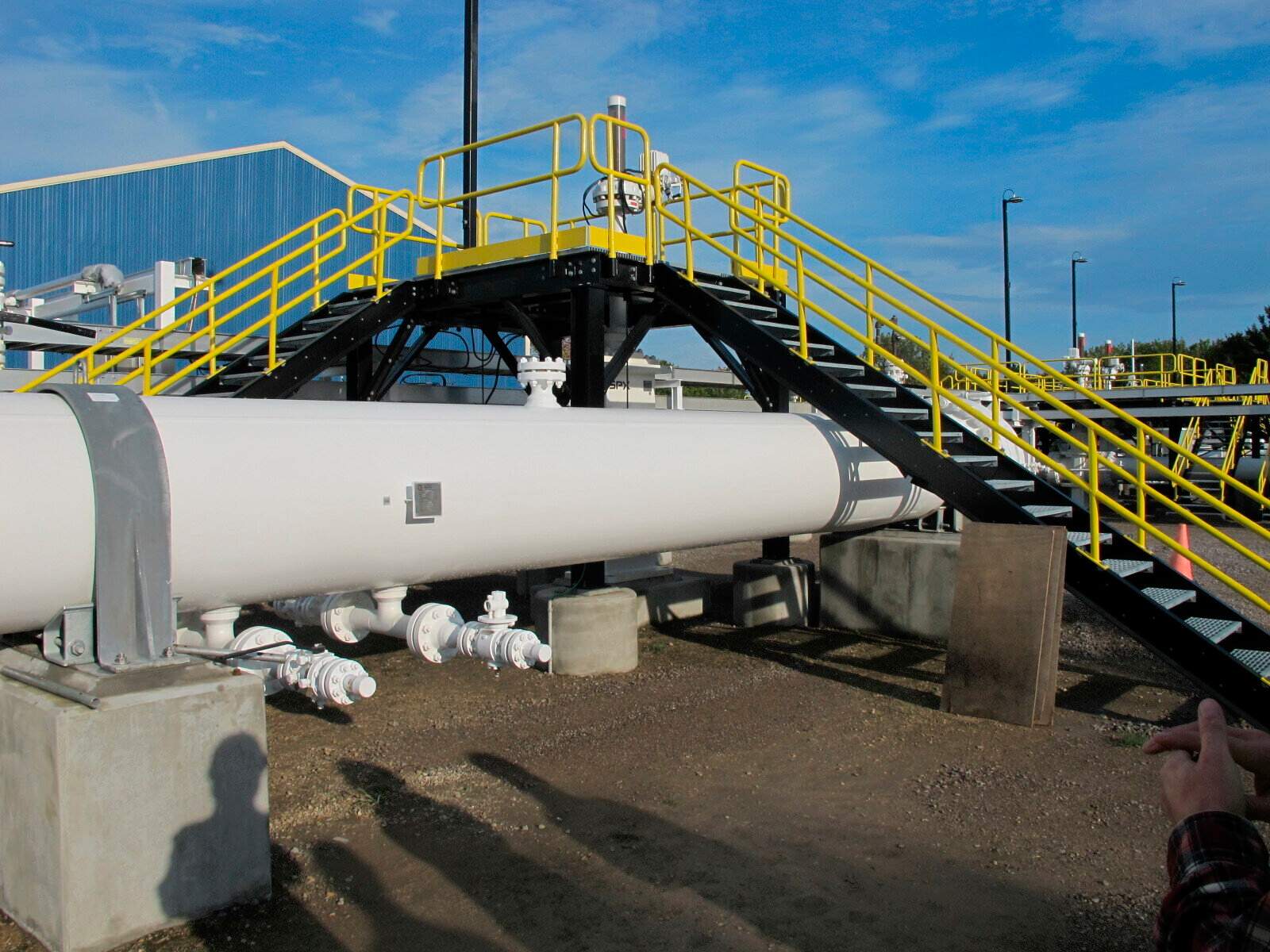
By framing the revival of projects like the Keystone XL—now resurrected in the form of the Bridger-Wyoming expansion—as a binary battle between the economy and the environment, we are ignoring the structural reality of the North American energy market. These permits aren't a "win" for the American consumer, nor are they the final nail in the coffin for the planet. They are a desperate attempt to fix a 20th-century distribution problem in a 21st-century market that has already moved on.
The Energy Independence Myth
The most pervasive lie in the industry is that more Canadian oil equals U.S. energy independence. It sounds logical: Canada is a stable ally, and their oil is right there. But "independence" implies a closed loop that doesn't exist.
I’ve seen companies dump billions into these projects based on the assumption that if we build the pipe, the price will drop. It won't. Oil is a global fungible commodity. Brent and WTI (West Texas Intermediate) prices are dictated by OPEC+ quotas, Chinese industrial demand, and conflict in the Middle East—not by whether a few hundred thousand extra barrels move from Alberta to Nebraska.
When President Trump signs these permits, he isn't lowering your gas price. He is subsidizing the margins of Gulf Coast refiners. These facilities are specifically configured to process "heavy" sour crude from the Canadian oil sands. They need this stuff because they spent the 1990s and 2000s investing billions in complex "coking" units designed for heavy oil. Without a steady stream of Canadian sludge, these multi-billion-dollar assets become underutilized paperweights.
The Heavy Oil Trap
Here is the counter-intuitive truth: The U.S. is currently the world’s largest producer of oil, but we produce the "wrong" kind. We are swimming in light, sweet crude from the Permian Basin. Our refineries aren't built for it. So, we export our light oil to the world and import heavy oil from Canada and Mexico to keep our own refineries running.
This isn't independence. It’s a high-stakes logistics game. By doubling down on pipelines for Canadian heavy oil, we are effectively locking ourselves into a heavy-oil refining infrastructure for the next forty years.
- Asset Stranding: As global demand shifts toward lighter products and petrochemical feedstocks, these heavy-oil assets become liabilities.
- The Venezuelan Factor: While we build pipes to Canada, the geopolitical winds are shifting. If Venezuelan heavy crude returns to the market in earnest, the economic "necessity" of the Keystone revival evaporates overnight.
- The Yield Gap: Refining heavy oil is energy-intensive. It requires more heat, more steam, and more hydrogen. We are spending massive amounts of energy just to create energy.
Infrastructure as a Lagging Indicator
The "lazy consensus" says that pipelines are the backbone of growth. In reality, they are lagging indicators of where the market used to be.
Consider the timing. Large-scale pipeline projects take 5 to 10 years to permit and build. The Bridger expansion, currently targeting a capacity of over 1.1 million barrels per day, won't be fully operational until the late 2020s or early 2030s. According to the EIA’s Annual Energy Outlook 2026, U.S. crude production is projected to peak or plateau by 2030, while transportation energy use will fall by up to 25% by 2050 due to efficiency and electrification.
We are building high-volume "superhighways" for a commodity whose domestic demand is on a long-term downward trajectory.
Why Canada is Winning (And We Aren't)
If you want to see who actually benefits from these permits, look North. Canada has been playing the U.S. for years. They call themselves an "energy colony," but they are the ones with the leverage.
The Trans Mountain expansion (TMX) gave Canada a back door to Asia. They no longer need to sell to the U.S. at a massive discount (the WCS-WTI spread). By getting Trump to sign these permits, Canada is effectively creating a bidding war for their resources. They get the price protection of the U.S. market and the growth potential of the Pacific.
The U.S. is assuming the environmental and political risk of these pipelines while the Canadian producers reap the "de-risked" profits. We provide the land, the legal battles, and the refining capacity; they provide the product and collect the checks.
The Real Cost of "Certainty"
Industry insiders love the word "certainty." They claim that presidential permits provide the regulatory certainty needed for investment. This is a fantasy.
A presidential permit is a stroke of a pen that can be undone by the next stroke of a pen. We have seen this "permit-cancel-permit" cycle through three administrations.
- Obama killed it.
- Trump revived it.
- Biden killed it.
- Trump revived it again.
This isn't "certainty." It's a political football. Real certainty comes from technological dominance and market adaptability—not from begging for a cross-border permit that changes with every election cycle.
If we were serious about energy dominance, we wouldn't be fighting over the same 800 miles of steel pipe that has been in the news since 2008. We would be focused on the massive infrastructure gap in our power grid, which is currently the actual bottleneck for American industrial growth.
The Actionable Reality
Stop looking at these pipeline permits as a signal of a booming oil sector. They are the opposite. They are a sign of a sector that is terrified of change and is clinging to 20th-century geopolitical maps.
If you are an investor, the "bull case" for these pipelines is built on the assumption that the world in 2040 will look exactly like the world in 2005. That is a losing bet. The real value is no longer in moving molecules through a pipe; it's in the software that optimizes the flow, the carbon-capture tech that tries to make the process palatable, and the diversification of the energy mix.
Building more pipes to bring heavy oil into a light-oil market is like building more DVD factories in the year Netflix went public. It’s impressive, it’s expensive, and it’s completely missing the point.
The permits are signed. The "victory" is declared. But the market has already moved to the next room, and it isn't waiting for the oil to arrive.