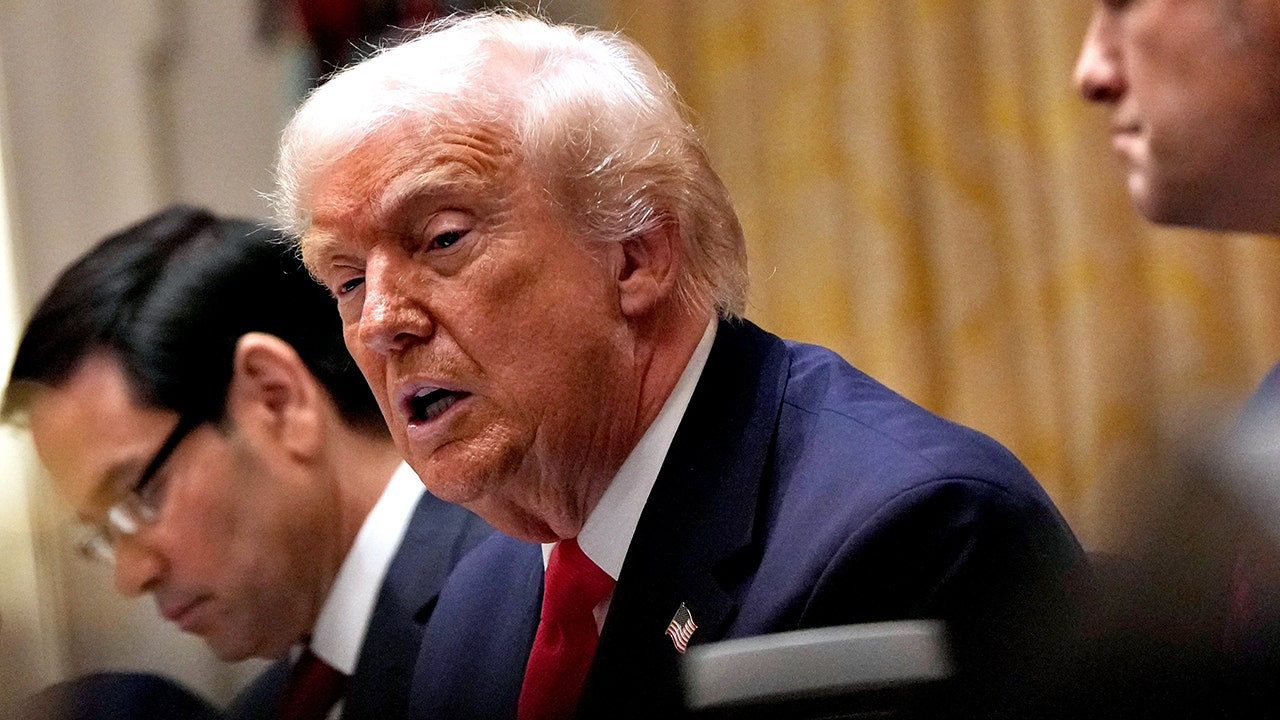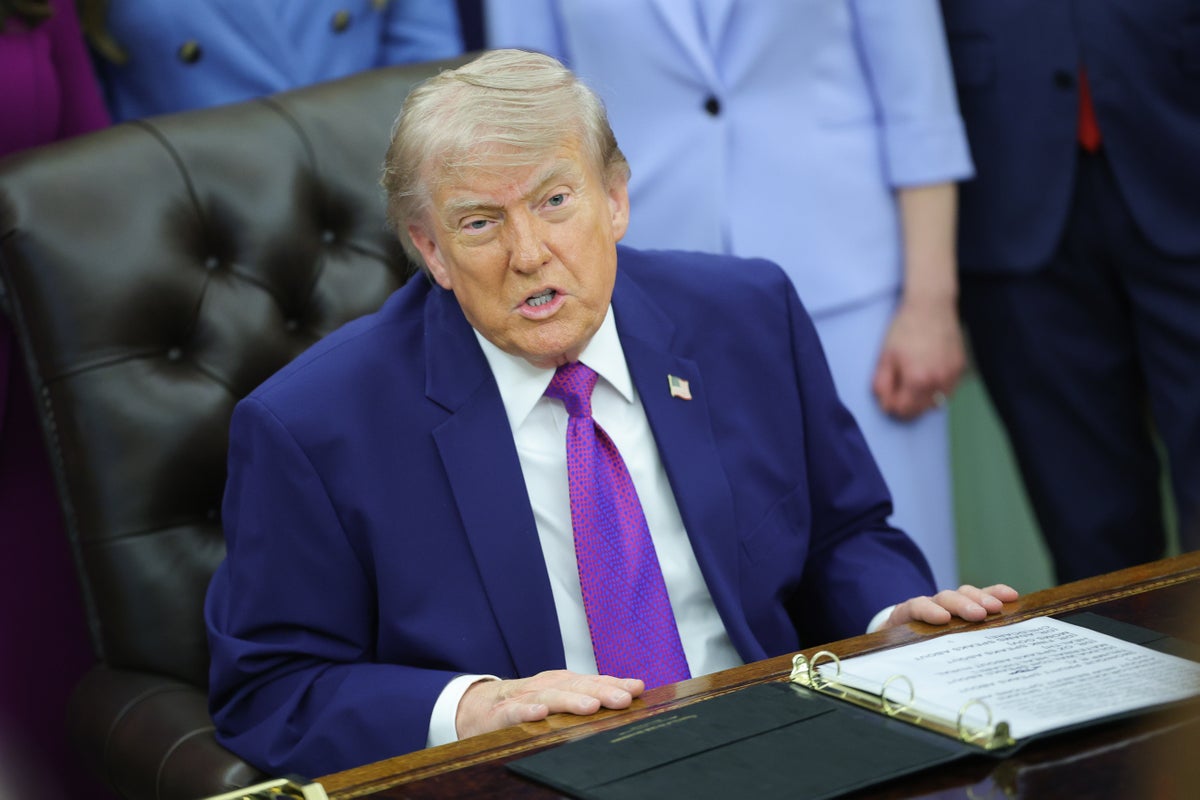
Gas prices just hit a four-year high, and Donald Trump wants to pull the one lever he has left to stop the bleeding. On Monday, the President announced he’s pushing to suspend the federal gas tax "till it’s appropriate." It’s a direct response to the chaos in the Middle East—specifically the war with Iran that kicked off in late February—which has sent the national average for a gallon of regular gas screaming toward $4.52.
If you’re feeling the pinch at the pump, you aren't alone. This isn't just about a few extra cents. It’s about the fact that fuel costs are a massive political liability for the administration heading into the 2026 midterms. Trump’s move is a gamble that temporary relief can settle the market before voters head to the polls.
The Math Behind the 18 Cent Cut
Let’s look at what’s actually on the table. The federal government currently collects 18.4 cents per gallon for gasoline and 24.4 cents for diesel. Trump’s plan would effectively pause these collections.
Is 18 cents enough to change your life? Probably not on its own. But when you’re already paying over $4.50 a gallon, every bit helps. Trump himself admitted in the Oval Office that it’s a "small percentage" of the total cost, but he’s framing it as a necessary gesture of solidarity with "hardworking families."
The real issue is that the President can’t just snap his fingers and make this happen. He needs Congress. Senator Josh Hawley is already leading the charge, introducing legislation to make the suspension official.
Why Prices Are Spiking and Why It Matters
The current price surge isn't some random economic fluctuation. It’s a direct consequence of the conflict with Iran that began on February 28, 2026. The Strait of Hormuz is essentially a choke point for the world's oil, and with that lane blocked or threatened, supply has tightened.
- Average Gas Price (May 11, 2026): $4.52
- Price One Year Ago: $3.14
- The 2022 Peak Reference: $5.01
It’s not just your commute that’s getting more expensive. When diesel prices go up, shipping costs go up. When shipping costs go up, your groceries get more expensive. It’s a domino effect that fuels inflation across the board. Trump’s approval ratings on the economy have taken a hit because of this, with nearly two-thirds of Americans reportedly unhappy with how he’s handling their wallets.
The Highway Trust Fund Problem
Here is the part nobody likes to talk about. That 18.4 cents per gallon doesn't just vanish into a black hole; it funds the Highway Trust Fund (HTF). This is the money that pays for road repairs, bridge maintenance, and interstate expansions.
If we stop collecting that tax for five months, the Bipartisan Policy Center estimates a revenue loss of about $17 billion. That’s a massive hole in the budget for infrastructure. We’ve already seen hundreds of billions shifted from the general fund since 2008 to keep these programs afloat. Suspending the tax now could push the fund toward insolvency by early 2027.
Basically, we’re choosing between cheaper gas today and potentially worse roads tomorrow. It’s a trade-off the administration seems willing to make to keep the economy from cooling off too fast.
What Happens Next for Drivers
Several states aren't waiting for Washington to act. Indiana, Georgia, and Utah have already moved to cut their own state-level fuel taxes. Texas is under pressure to do the same, with Agriculture Commissioner Sid Miller publicly calling on Governor Abbott to follow Trump’s lead.
If you’re looking for immediate relief, keep an eye on your state legislature. State taxes are often much higher than the federal 18.4 cents, so a state-level "holiday" usually has a bigger impact on what you actually see on the digital sign at the station.
Don't expect prices to "drop like a rock" the second a bill passes. Oil markets are jumpy. Even if the tax is suspended, retailers don't always pass the full savings to consumers immediately. They might use it to pad their own margins if they’re worried about future supply shocks.
Your best move right now is to plan for volatility. Until the situation in the Persian Gulf stabilizes, these "holidays" are just a bandage on a much larger wound. If you’re a business owner or a frequent commuter, don't bank on $3 gas returning by summer. Keep your fuel efficiency habits in place and watch for the final vote in Congress.