Donald Trump isn't holding back. Following a flurry of media reports detailing severe munitions shortages within the American military, the president took to Truth Social with a furious response. He didn't just deny the claims. He went straight after the whistleblowers and insiders sharing these details, labeling their actions treasonous and vowing long-term prison sentences.
If you've been following the recent conflict involving Iran, you know the core question on everyone's mind: Are U.S. weapons stockpiles actually running dry? Let's break down what's happening behind closed doors, what the data shows, and why this information war matters just as much as the physical one.
The Trigger Behind the Truth Social Rant
The friction started heating up after reports surfaced from major outlets like the Washington Post and Reuters. According to those leaks, the U.S. military burned through massive portions of its precision-guided inventory—including Army Tactical Missile Systems (ATACMS) and high-altitude defensive interceptors. Think-tanks like the Center for Strategic and International Studies (CSIS) chimed in with estimates showing steep declines in Patriot and THAAD interceptors, suggesting that inventory strains might have influenced recent decisions to pause certain aggressive strikes.
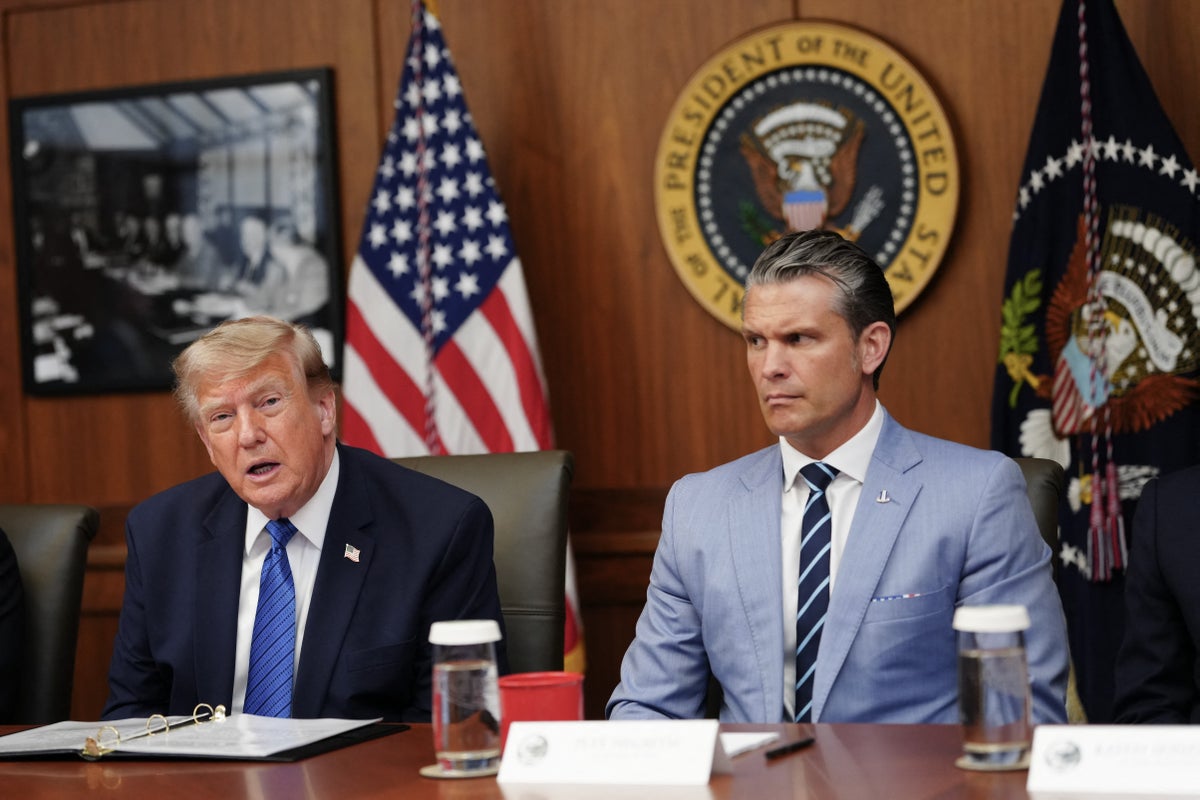
Things reportedly boiled over during a Cabinet session at Camp David. Insiders claimed Trump confronted Defense Secretary Pete Hegseth over being allegedly misled regarding the true state of weapon reserves.
The White House and Pentagon pushed back hard, calling the reports entirely fictional. Pentagon spokesman Sean Parnell insisted the military maintains a deep arsenal. But Trump's social media post made it clear he views the internal leaks as a direct threat to national security.
"The 'leakers' of these treasonous statements are being hunted down. Long term jail sentences will be sought!" Trump wrote on Truth Social.
What the Defense Industry Data Actually Shows
Let's look past the political posturing. Defense logistics are complicated. When a superpower engages in sustained operations involving missile defense and targeted strikes, consumption outpaces standard peacetime manufacturing speeds.
Trump argued in his post that the U.S. possesses massive amounts of munitions and highlighted an unprecedented boom in domestic defense manufacturing. Factories are opening, production lines are scaling up, and multi-billion-dollar procurement deals are rushing through congressional approval.
Yet, building complex guidance systems, rocket motors, and seeker heads takes time. You can't snap your fingers and instantly replace thousands of advanced interceptors used to swat down incoming drones and ballistic threats. That supply chain lag is precisely what defense analysts worry about, even if leadership claims current operational readiness remains rock-solid.
Why the White House is Fighting the Narrative So Aggressively
Controlling the narrative during a military campaign is half the battle. If adversaries like Iran believe U.S. interceptor inventories are dwindling, it alters their strategic calculations. It encourages them to test air defenses, knowing every launched projectile costs precious time to replace.
By threatening steep legal penalties and hunting down sources, the administration is trying to plug internal security leaks. They want absolute unity and projection of strength. Punishing leakers isn't just about punishing a disloyal bureaucrat; it's about signaling to the entire federal apparatus that leaking military logistics data carries severe personal consequences.
Expect the Department of Justice and military investigators to crack down heavily on internal communications. Whether the manufacturing boom can outpace consumption remains to be seen, but the administration is drawing a hard line in the sand.
What is the Pentagon doing to replenish missile stockpiles?
This video provides an in-depth look at how the military is addressing ammunition and missile inventory concerns.
http://googleusercontent.com/youtube_content/1