Foreign policy rarely gets this blunt. Donald Trump just drew a harsh line in the sand regarding the ongoing conflict in the Middle East, publicly warning Oman to stay out of negotiations with Tehran while demanding that Iran fly the white flag.
If you're trying to figure out what happened to the 60-day diplomatic window that started back in June, it expired. And the fallout is getting loud.
The Strait of Hormuz Chokepoint
At the center of this latest escalation sits the Strait of Hormuz. Roughly one-fifth of the world's traded oil supply moves through this narrow maritime corridor. When the U.S. and Israel launched military operations against Iran on February 28, Tehran effectively shut down transit through the waterway.
Trump insists the U.S. controls the strait, pointing to ongoing naval blockades. But traffic remains heavily throttled. Energy prices have spiked, and the economic strain is rippling straight into domestic American politics as the November midterm elections creep closer.
Why Oman Is Right in the Middle
Oman shares the southern coast of the Strait of Hormuz, making it a critical regional mediator. For weeks, Omani officials have been holding direct talks with Tehran to hash out an independent transit plan.
The Iranian Foreign Ministry announced an understanding had been reached on a map for a joint shipping route. Under this proposed mechanism, ships would enter near Iran and exit near Oman without paying tolls during an interim period.
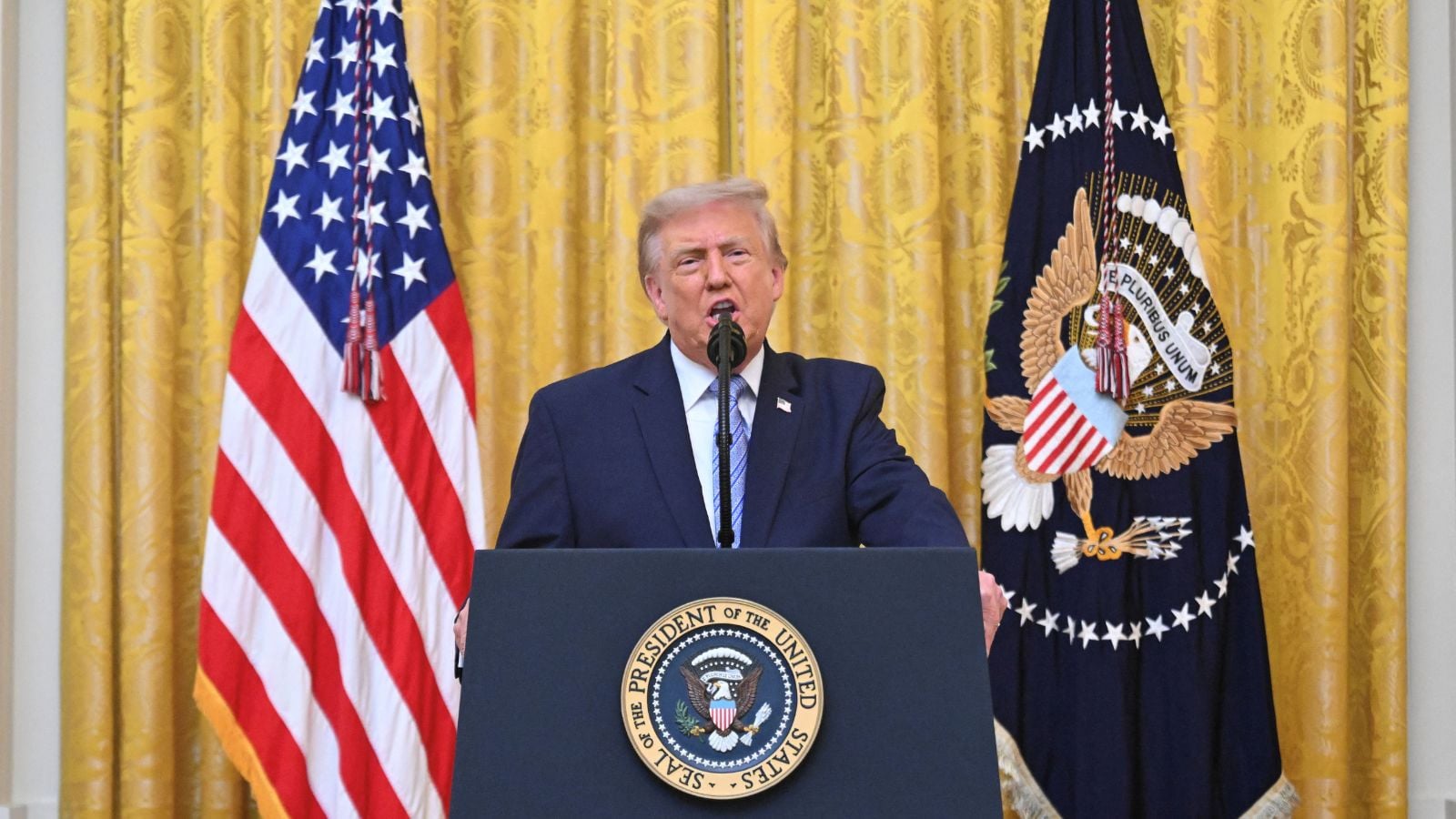
Washington wants no part of a separate regional deal that bypasses its own terms. Speaking to Fox News correspondent Trey Yingst, Trump issued an unvarnished warning: if Oman interferes with the U.S. position or gets in the way of Washington's strategy, the U.S. response will be severe.
Demanding the White Flag
Alongside the threat to Oman, Trump doubled down on total capitulation for Tehran. He stated plainly that Iran should put up the white flag of surrender. At the same time, he claimed he's in no rush to wrap things up, despite the military campaign dragging on for nearly six months.
Behind the scenes, things are moving through unconventional channels. Reports indicate Washington has established a direct back-channel with officials in the Islamic Revolutionary Guard Corps (IRGC), bypassing traditional diplomatic middlemen.
Trump maintains that preventing Iran from acquiring a nuclear weapon remains his absolute priority. Whether these latest threats force a breakthrough or simply lock both sides into a deeper stalemate depends entirely on how Tehran and Muscat respond to the pressure. Keep a close eye on the shipping lanes over the next week because commercial transit is the real test of whether these negotiations survive.