Writing checks for 100 billion dollars hurts. Washington is finding that out the hard way right now.
When the US Supreme Court struck down a massive block of sweeping trade tariffs earlier this year, it didn't just stop a policy. It triggered the most complicated bureaucratic scramble in modern financial history. The federal government has already handed back roughly 100 billion dollars to bruised import businesses. That figure covers about sixty percent of the 166 billion dollars collected under the disputed emergency economic powers act.
If you think this means the trade war is over, you haven't been paying attention.
The Mechanics Behind the Massive Payback
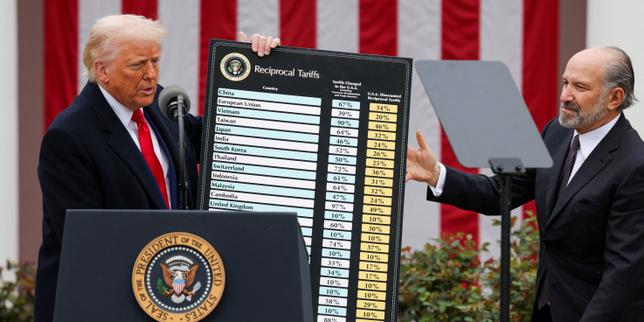
Let's look at how we got here. Back when the administration rolled out aggressive blanket tariffs on foreign goods, importers had no choice but to pay up. They passed those costs down the line, inflating prices across the board. Then the highest court in the land stepped in, ruling that the executive branch had straight-up overstepped its constitutional boundaries by using emergency legislation for broad protectionist taxes.
Suddenly, the customs agency faced a mountain of paperwork. Over 330,000 individual importers qualified for relief. To handle the flood, officials scrambled to deploy a specialized processing system known as CAPE in the spring. By late July, more than 250,000 separate claims covering upwards of 25 million distinct import operations poured into the portal.
Getting money back from the government is never fast. Bureaucracy moves at glacial speeds, even when a federal judge lights a fire under it. The Department of the Treasury has certified nearly 129 billion dollars in potential or accepted payouts so far, with that 100 billion milestone crossing the finish line just recently.
Why Small Businesses Are Getting Left Behind
Big corporations have entire legal teams dedicated to squeezing every penny out of customs agencies. They filed protective claims immediately. Small-scale importers don't have that luxury.
Many independent business owners are drowning in administrative fees and compliance hurdles just trying to claim what's legally theirs. This exact frustration sparked a massive legal battle in California, where an import business pushed for a class-action status to protect smaller operators who are getting squeezed out of the refund pipeline.
If you're running a mid-sized supply chain operation right now, you can't just sit back and wait for a check to arrive in the mail. The system requires meticulous documentation of every single transaction entry. Miss a filing deadline or mess up a product classification code, and your cash vanishes into the federal ledger forever.
The White House Fights Back With New Tariffs
You can't keep a determined protectionist down for long. While the Treasury is busy writing massive refund checks, the White House has already pivoted to a brand-new playbook.
Instead of backing down, officials introduced fresh surtaxes targeting roughly sixty nations alongside the European Union. This time, the justification rests on environmental and labor standards—specifically accusing trading partners of failing to crack down hard enough on forced labor practices. These new levies sit firmly at 10 to 12.5 percent depending on the origin country.
Naturally, this move triggered immediate pushback. A coalition of 25 state attorneys general, all from the opposing political party, filed fresh lawsuits to block these latest duties. The legal carousel keeps spinning, and corporations are caught right in the middle of the ride.
How to Protect Your Supply Chain Right Now
Navigating this messy economic landscape requires aggressive oversight. Do not assume your customs broker is handling every detail of your retrospective claims.
- Audit your historical import entries from the past two years immediately.
- Verify whether your specific product codes fall under the invalidated emergency tariffs or the surviving sector-specific levies like steel and aluminum.
- Keep a close eye on the ongoing federal court dockets, because the rules of engagement change almost weekly.
The 100 billion dollar payout proves that government overreach on trade policy carries a brutal price tag. Protect your bottom line by staying proactive, auditing your historical filings, and refusing to leave money sitting on the table.