The bombs were basically loaded. Then the phone rang.
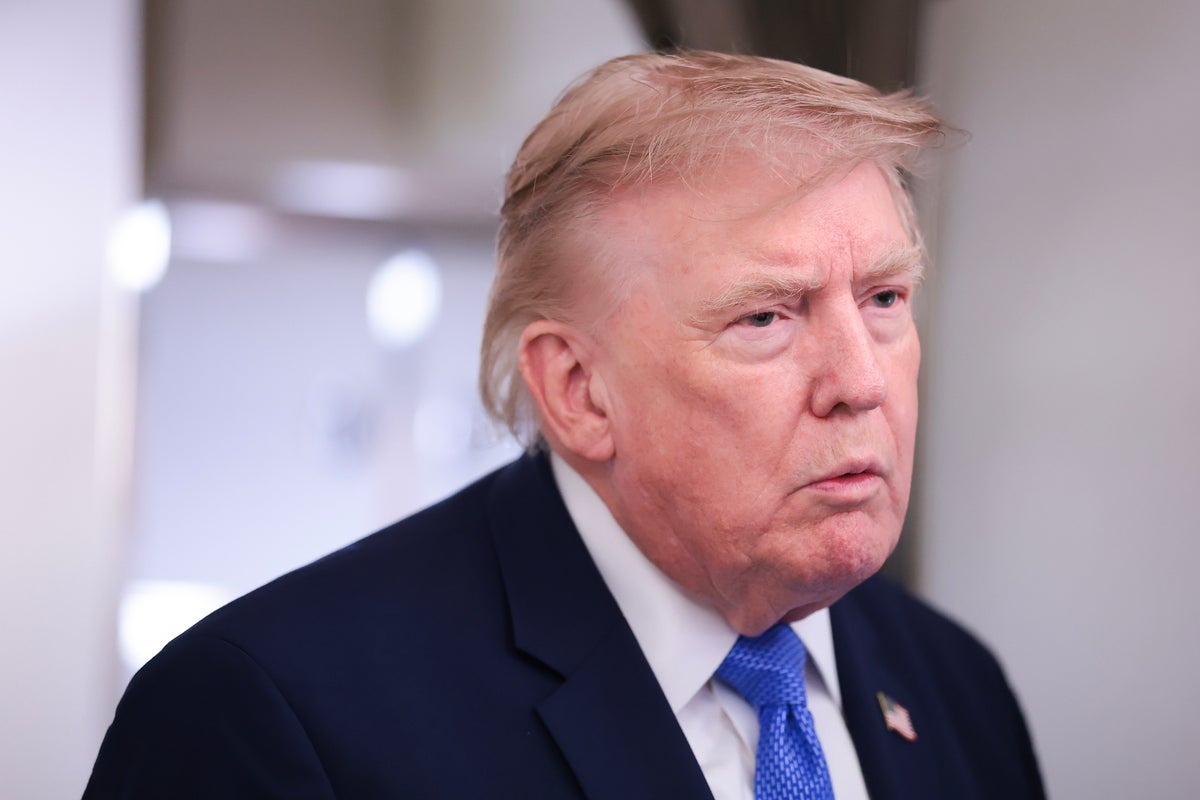
President Donald Trump announced a sudden halt to a massive planned military campaign against Iran, claiming that regional powers and Tehran had asked for time to hammer out an emergency diplomatic deal. According to statements released on Truth Social, the framework includes the immediate, complete reopening of the critical Strait of Hormuz and a permanent halt to Iran's nuclear ambitions.
You shouldn't pop any champagne just yet.
While oil markets reacted instantly to the news—pulling back after months of brutal volatility—reality on the ground remains deeply unstable. Iranian state media and high-ranking officials fired back almost immediately, flatly denying that Tehran ever begged for a pause or agreed to terms on Washington's desk.
So, what is actually happening behind closed doors? Let's break down the real friction points driving this standoff.
The Pressure Behind the Pause
Nobody backs down out of pure kindness in geopolitics. Trump's abrupt reversal followed intense behind-the-scenes lobbying from regional leaders terrified of what an all-out energy war would do to their own backyards.
Saudi Crown Prince Mohammed bin Salman personally reached out to urge de-escalation. Why? Because Iranian intelligence networks made it crystal clear what would happen if U.S. warplanes flattened energy infrastructure inside Iran. Retaliation wouldn't just target American assets; it would target Gulf oilfields, Qatari gas installations, and regional refineries.
When you look at the numbers, the stakes are staggering. Iran's domestic economy is already buckling under severe inflation, with basic staples like cooking oil and dairy seeing astronomical price hikes over the past year. Yet, the military apparatus remains defiant. Tehran knows holding the Strait of Hormuz hostage is its ultimate economic leverage point. Shutting down tanker traffic chokes global crude supplies overnight, forcing international powers back to the bargaining table whether they like it or not.
Parsing the Peace Talks
Peace talks are officially scheduled to resume, but the gap between Washington's demands and Tehran's red lines is massive.
Washington wants a total surrender of the nuclear program and permanent freedom of navigation through the waterway. Tehran wants the complete lifting of crippling U.S. naval blockades, the release of billions in frozen assets, and a total stop to what it calls hostile Western actions.
Mediators from nations like Pakistan are frantically trying to revive older frameworks, such as the memorandum of understanding floated back in June. That agreement only ever contemplated keeping the strait fully open for a temporary window. Permanent peace requires structural compromises that neither side has shown the political stomach to make for years.
What to Watch Right Now
If you are tracking global markets, shipping insurance rates, or energy futures, ignore the rhetoric. Watch these specific indicators over the next forty-eight hours:
- Vessel Movement: Are oil tankers actually moving unmolested through the Strait of Hormuz, or are shipping lines keeping their fleets parked outside the Persian Gulf?
- Negotiation Leakages: Pay attention to regional intermediaries rather than official podiums. When state media calls a deal a "lie" while backchannel diplomats keep talking, the real progress happens quietly.
- Proxy Activity: Keep an eye on border skirmishes in Iraq and drone activity near Gulf states. Local militias often operate with enough autonomy to torpedo a delicate diplomatic truce before the ink dries.
The threat of renewed American airstrikes hasn't disappeared; it's just sitting on a hair-trigger. If these upcoming talks stall out, expect the military option to return to the forefront instantly.
Iran Says No Deal To Reopen Hormuz, Denies Asking Trump To Pause Strikes: What We Know So Far
This video provides a detailed breakdown of the conflicting statements coming out of Washington and Tehran regarding the status of the Strait of Hormuz.
http://googleusercontent.com/youtube_content/1