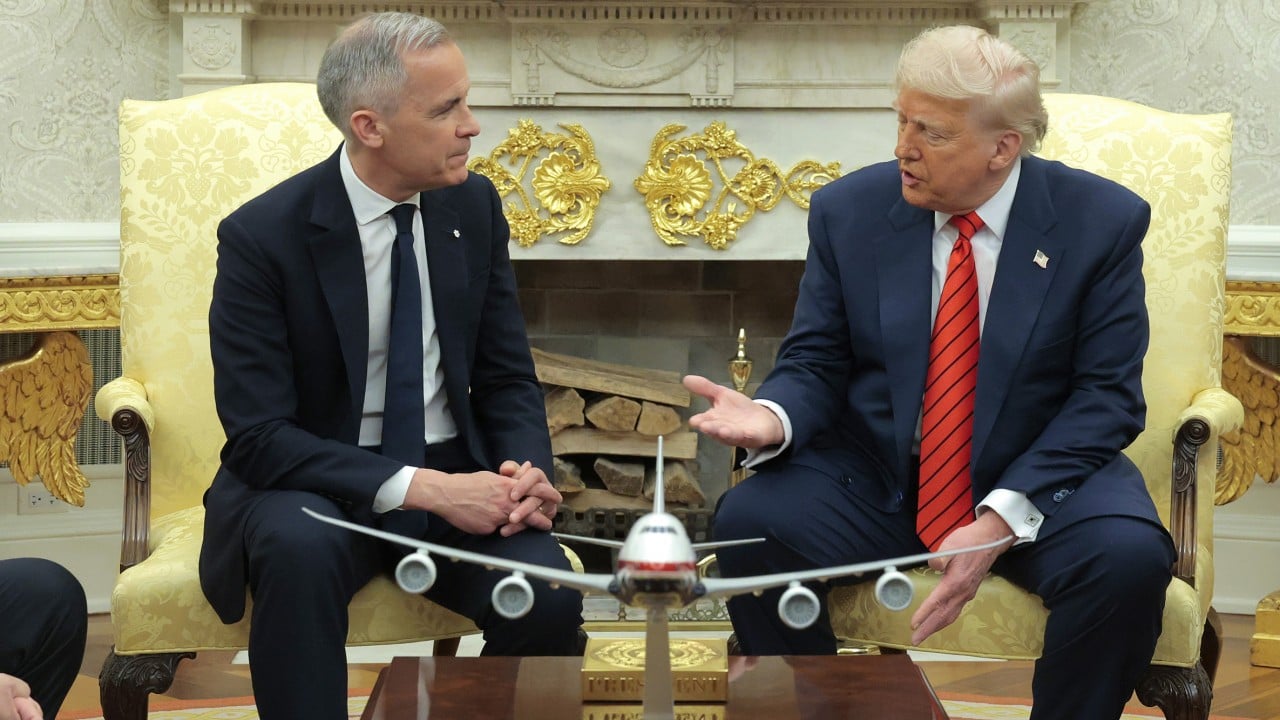
The White House just threw another massive wrench into North American trade. President Donald Trump signed three separate proclamations imposing sweeping 50% tariffs on a huge range of Canadian imports. If you thought cross-border supply chains were finally stabilizing, think again.
The administration points to long-standing grievances over automobiles, alcohol, and dairy products—specifically cheese—as the primary justification. But beneath the headlines about cheddar and whiskey lies a far more aggressive legal maneuver and a widening rift between two historically tied economies.
Here is what is actually going on, why it matters for your wallet, and how this trade dispute escalated so quickly.
The Legal Trapdoor Behind the New Tariffs
Instead of relying on typical national security exemptions or standard trade review frameworks, the White House dusted off Section 338 of the Tariff Act of 1930. That's a Great Depression-era law designed to penalize countries that discriminate against U.S. commerce relative to other nations.
Trade experts are calling it the nuclear option.
Why use a 1930s statute? Earlier this year, the Supreme Court struck down executive emergency tariffs, forcing the administration to seek alternative legal mechanisms. Section 338 gives broad executive latitude without needing the same emergency declarations, though it opens up significant economic uncertainty for global markets.
"We crossed the Rubicon. The invocation of 338 is the nuclear option for Trump tariffs," noted Scott Lincicome, vice president of general economics at the Cato Institute.
Cars, Bourbon, and Cheese: What Triggered the Decision
The White House official previewing the announcement made one thing clear: Washington views Ottawa as an uncooperative actor. Outside of China, Canada was one of the few nations to launch direct retaliatory tariffs against initial U.S. trade measures.
The specific disputes boil down to three key sectors:
- Automobiles: Canada maintained a 25% tariff on U.S. motor vehicles that failed to meet specific USMCA rules. Washington claims this unfairly penalizes American manufacturers.
- Alcohol: Most Canadian provincial liquor boards pulled American spirits and wines from store shelves in response to previous tariff threats and political rhetoric. Washington argues this boycotting behavior is outright market discrimination.
- Dairy Products: A perennial sore spot. Washington claims Canadian supply management rules and tariff-rate quotas favor European cheese importers over American producers.
The official list covers everything from consumer clothing and furniture to hockey sticks, wine, and cement.
Crucially, these levies strip away protections previously granted under the United States-Mexico-Canada Agreement (USMCA). While energy, critical minerals, fish, and potash are explicitly excluded from this 50% hit, almost every other manufactured and consumer good crossing the northern border will face the tax.
How This Impacts American Consumers and Business Owners
Tariffs are taxes paid by the domestic importer, not the foreign seller. When a 50% duty gets slapped on Canadian imports, American businesses face a tough choice: absorb the cost or pass it straight to the consumer.
Expect immediate pressure on several everyday categories:
- Grocery Bills: Specialty cheeses, processed foods, and Canadian beer or rye spirits will see price hikes almost immediately once existing inventory clears.
- Construction and Housing: Building materials like cement and finished timber products hit by duties will keep construction costs elevated.
- Automotive Supply Chain: Auto parts cross the U.S.-Canada border multiple times during production. Adding friction or extra duties to non-qualifying components drives up assembly costs, which eventually land on the dealership sticker price.
Canada's Next Move and the 30-Day Window
The tariffs won't take effect for 30 days. That leaves a tight window for formal negotiation, but political leaders in Canada aren't holding back.
Canadian Prime Minister Mark Carney signaled a willingness to negotiate, stating Ottawa has submitted comprehensive proposals to address trade concerns. However, provincial leaders are taking a much harsher stance. Ontario Premier Doug Ford argued Canada must respond "tariff for tariff, dollar for dollar" if Washington moves forward.
If Canada retaliates with matching levies on U.S. exports, American agricultural producers and regional manufacturing hubs will bear the brunt of the counter-strike.
Action Steps for Businesses Handling Cross-Border Trade
If your business relies on Canadian suppliers or exports across the northern border, waiting around isn't an option.
- Audit your supply chain tariff classifications. Check whether your imported goods fall under the specific exclusions like energy, potash, or critical minerals.
- Review USMCA documentation. Ensure all auto parts or manufactured goods strictly comply with rules of origin, as non-compliant items face immediate exposure to retaliatory duties.
- Contract re-evaluation. Re-examine delivery terms (DPP vs. EXW) with cross-border vendors to clarify who holds legal responsibility for sudden tariff surcharges.
- Diversify vendor sourcing. Start identifying domestic or alternative international suppliers before the 30-day grace period expires and prices jump.