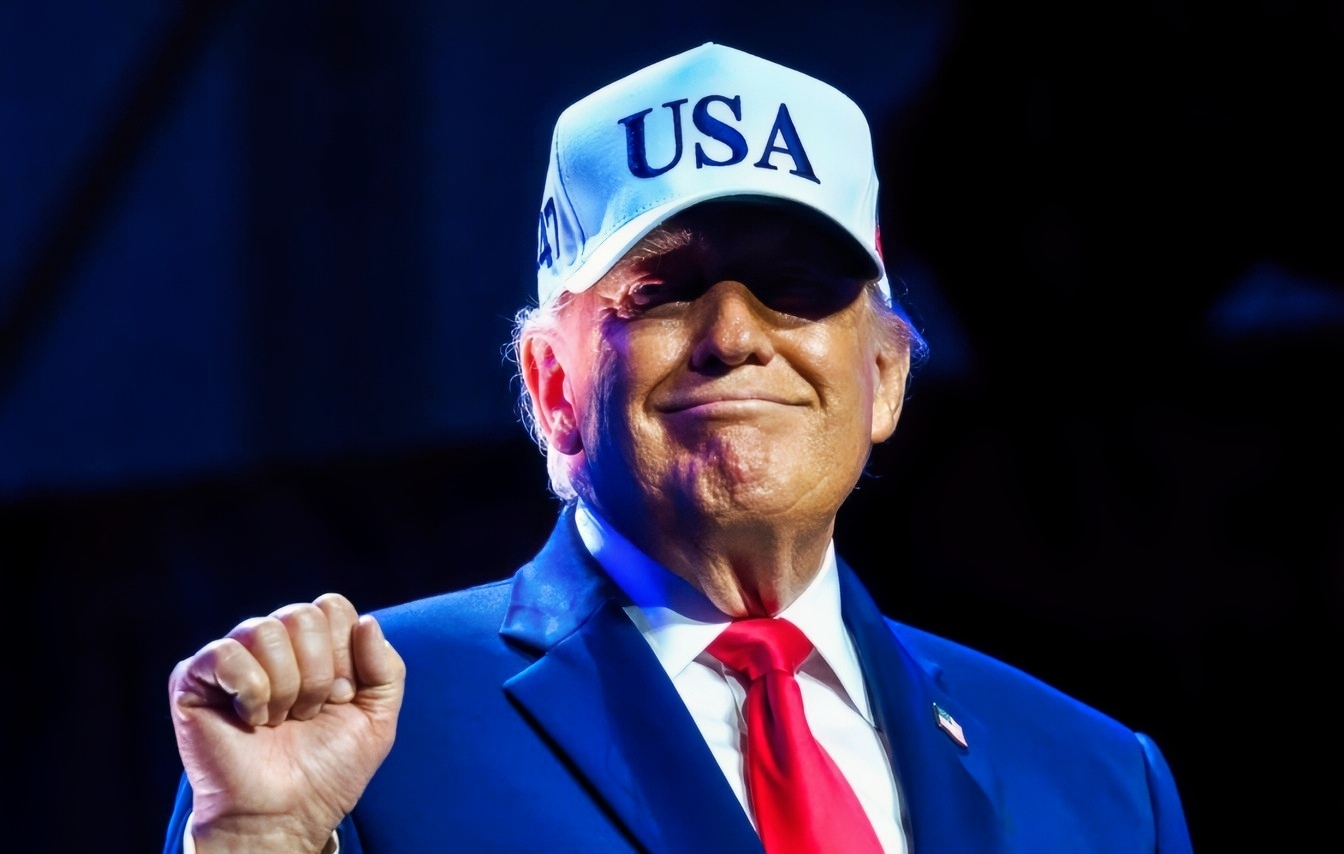
President Donald Trump has put denuclearization talks with Russia and China squarely on the table as the three leaders meet in Shenzhen, yet the negotiations begin without a single binding bilateral nuclear treaty left standing between Washington and Moscow. New START expired in February 2026 after Russia had already suspended its implementation in early 2023, leaving the world's two largest nuclear powers without mutual verification rules or warhead ceilings for the first time in decades. Meanwhile, Beijing is rapidly expanding its nuclear arsenal to deter U.S. intervention over Taiwan, turning a head-of-state pledge on nuclear risk reduction into a high-stakes test of whether political theater can substitute for grueling arms control mechanics.
Headlines love the word denuclearization. In diplomatic practice, it is almost always a mirage. True denuclearization means dismantling warheads, destroying delivery systems, and opening sensitive sites to intrusive inspections. What happens in summits between Washington, Moscow, and Beijing usually sits much closer to risk reduction, political signaling, or trade-offs over regional flashpoints like Taiwan, Ukraine, and Iran.
Why the Timing Is So Volatile
Arms control treaties do not die overnight. They rot from the inside out.
For fifteen years, New START capped deployed strategic warheads at 1,550 and limited deployed and non-deployed launchers to 800, backed by data exchanges, notifications, and on-site inspections. Moscow suspended participation in February 2023 amid the war in Ukraine, and when the treaty reached its February 5, 2026 expiration date after a late-2025 Russian proposal to keep observing central limits went unanswered by Washington, the legal floor vanished.
Without treaty caps or verification regimes, intelligence agencies rely more heavily on satellites, signals intelligence, and guesswork. Unchecked forces raise the odds of miscalculation, especially when conventional conflicts or crisis escalations collide with nuclear alert postures.
- No treaty caps: Strategic warhead numbers are no longer legally constrained by New START limits.
- No routine inspections: On-site verification and regular telemetry exchanges that built predictability over decades have lapsed.
- Three-way math: Bringing China into the frame changes the equation from a two-player balance to a three-body problem.
What Each Leader Wants at the Table
Summit talk about cutting nuclear arsenals sounds straightforward until you look at what each capital actually fears. Every leader brings different leverage and different red lines.
Washington Wants Cost Control and Three-Way Accountability
Trump has repeatedly questioned why trillions of dollars go toward building and modernizing nuclear forces when existing stockpiles can already inflict catastrophic destruction many times over. From Washington's vantage point, negotiating strictly with Moscow no longer captures the full threat picture because China's arsenal is growing fast. Bringing Beijing into discussions is a way to prevent the U.S. from being squeezed between two major nuclear powers while pursuing ambitious missile defense concepts such as the Golden Dome initiative.
Beijing Demands Structural Concessions First
Chinese leaders have spoken in broad terms about the eventual prohibition and elimination of nuclear weapons, yet Beijing's practical posture is defensive deterrence tailored to regional contingencies. China's stockpile has historically been much smaller than those of the United States and Russia, so Beijing resists being locked into ceilings while its forces are still expanding to deter U.S. involvement around Taiwan.
Beijing has long signaled what it would want before entertaining serious constraints: no-first-use commitments from nuclear powers and limits on global missile defense systems. Washington has historically rejected a no-first-use pledge as an unacceptable risk to allies, and missile defense is a sore spot in every U.S.-China strategic exchange. Previous working-level contacts between Washington and Beijing stalled after routine U.S. arms sales to Taiwan, showing how quickly regional disputes derail nuclear diplomacy.
Moscow Trades Nuclear Rhetoric for Geopolitical Leverage
For the Kremlin, nuclear signaling has long served as a shield and a megaphone. Even after suspending New START implementation and letting the accord lapse, Moscow has positioned itself as willing to talk about strategic stability, energy markets, and resistance to Western institutions.
The catch is obvious to any seasoned observer. A leader fighting a war in Europe and facing deep friction with the West has every incentive to use nuclear talks to split Western unity, ease pressure over Ukraine, and gain standing alongside Beijing without surrendering real warhead flexibility.
| Dimension | United States | Russia | China |
|---|---|---|---|
| Core Objective | Curb nuclear spending and bring China into strategic talks | Project great-power parity and ease geopolitical pressure | Build credible deterrence, especially around Taiwan |
| Sticking Point | Rejects no-first-use pledges; backs missile defense | War in Ukraine and collapsed inspection trust | Expanding force; links talks to U.S. arms and defenses |
| Likely Outcome | Statements of principle rather than binding warhead cuts | Tactical engagement without rapid treaty restoration | Cautious participation with strict sovereignty guardrails |
The Hidden Bottlenecks Behind "Denuclearization"
Even if all three leaders leave a room smiling and pledging to prevent nuclear war, the technical hurdles are brutal. A handshake at a summit is not a verification protocol.
Warheads Are Not the Whole Story
Counting strategic warheads on deployed missiles is hard enough when sides are cooperating. Non-strategic or tactical nuclear weapons, dual-capable delivery systems, hypersonic glide vehicles, and missile defense interceptors complicate any simple numerical cap. One country's "defensive" shield can look like an attempt to blunt another country's retaliatory strike.
Verification Requires Years of Grunt Work
Consider a hypothetical scenario to see why a quick denuclearization deal is nearly impossible. Suppose Washington, Moscow, and Beijing agree in principle to cap warheads at a set number by next year. How do inspectors confirm a missile canister inside a facility holds a dummy payload or a live warhead without exposing unrelated military secrets or intelligence methods?
During the Cold War and post-Cold War eras, negotiating inspection rules, telemetry access, and counting rules took years of painstaking technical work. Without that foundation, trust is nonexistent.
Allies and Regional Flashpoints Cast a Long Shadow
Nuclear deals between superpowers never happen in a vacuum. European allies and Ukraine watch U.S.-Russia engagements closely whenever the war in Ukraine is discussed without them at the table, while Asian partners watch every word on Taiwan and extended deterrence.
Any hint that Washington might trade away security assurances or regional leverage for a vague nuclear headline triggers immediate pushback from allies. That tension is why political statements often outrun treaty text in three-way summits.
What to Watch Next
Watch less for grand proclamations about ending the nuclear age and more for concrete follow-through. Will working-level diplomats actually restart regular channels on nuclear risk reduction, crisis hotlines, and missile launch notifications?
Real progress looks dull on paper—schedules, definitions, and verification procedures—because real nuclear stability depends on boring mechanics that hold up when tempers flare.

