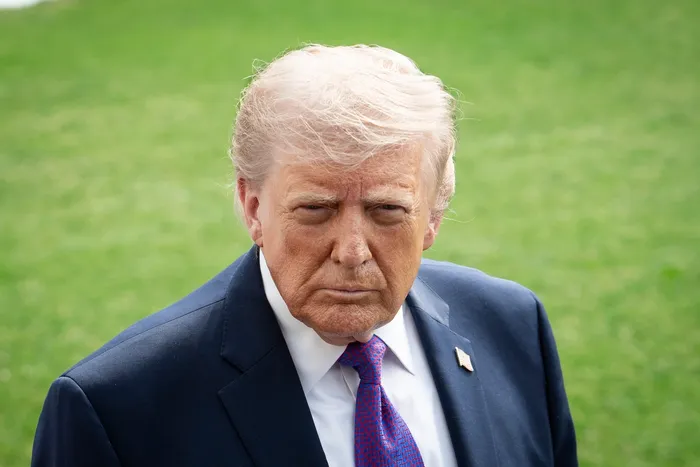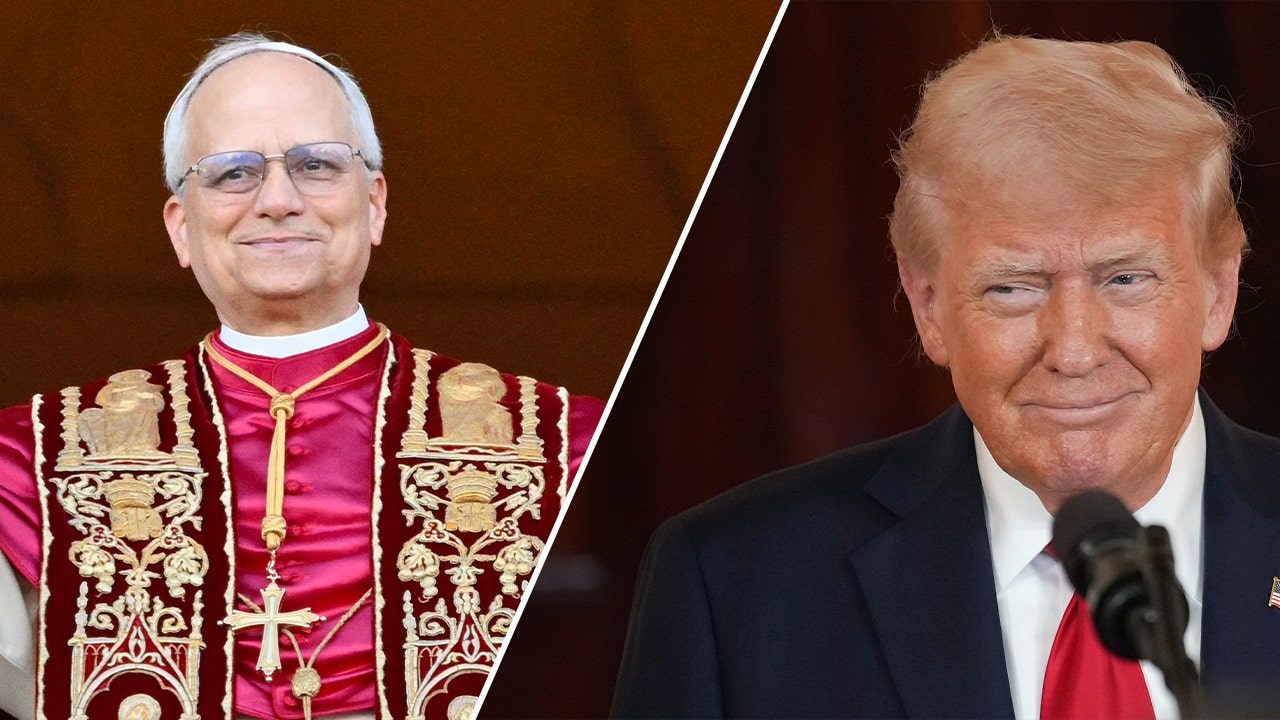
Donald Trump isn't exactly known for backing down from a fight, but his latest target isn't a political rival in D.C. It’s the Bishop of Rome. The friction between the White House and the Vatican has hit a boiling point that we haven't seen in decades. This isn't just about different opinions on policy. It's a fundamental collision between "America First" and a first-of-his-kind American Pope who views the world through a very different lens.
The spark for this current fire was the escalating conflict between the U.S. and Iran. Following military operations that began in late February 2026, Pope Leo XIV didn't hold back. He’s been a vocal critic of the combat, specifically calling out the "delusion of omnipotence" that leads world leaders to think war is a solution. Trump took that personally. On Truth Social, he blasted the Pontiff as "weak on crime" and "terrible for foreign policy."
The American Pope vs the American President
The irony here is thick. Pope Leo XIV, born in Chicago, is the first American ever to lead the Catholic Church. When he was elected in 2025, many thought his nationality would help bridge the gap between the U.S. and the Holy See. Trump actually claims credit for this, arguing the Church only picked an American to try and "deal" with him.
But instead of being a diplomatic bridge, Leo’s American roots seem to have made him more comfortable speaking directly to the U.S. administration. He knows the culture. He knows the rhetoric. And he isn't buying what the White House is selling. During a recent flight to Algiers, the Pope told reporters he doesn't fear the Trump administration. He basically said his message comes from the Gospel, not a political playbook.
Fact checking the nuclear claim
One of the nastiest parts of this row is Trump’s claim that the Pope is "OK with Iran having a nuclear weapon." Let’s be clear—there’s zero evidence for that. In fact, it's the opposite. Leo has repeatedly called for a world entirely free of nuclear weapons. He views the nuclear threat as something that shouldn't dictate the future of humanity.
Trump’s strategy here is classic. He’s framing the Pope’s call for diplomacy as a sign of weakness. By painting Leo as a "radical left" figure, Trump is trying to keep his grip on the Catholic vote in the U.S. It’s a risky move. Millions of American Catholics are now caught in the middle of a loyalty test between their president and their spiritual leader.
Tensions at the Pentagon
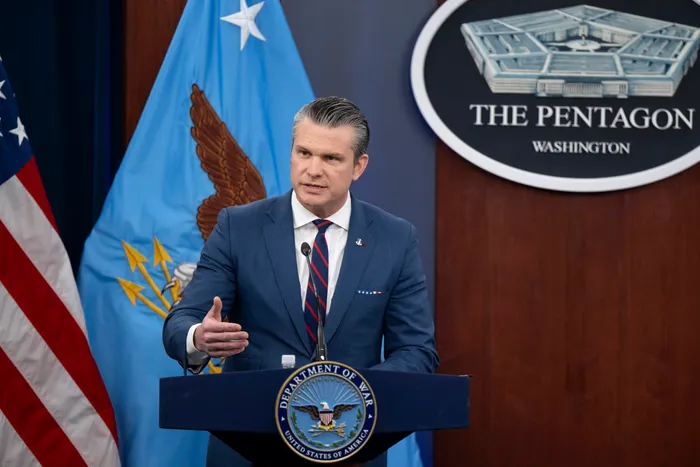
This isn't just a social media spat. It’s reaching the highest levels of government. Reports surfaced about a tense meeting at the Pentagon between Cardinal Christophe Pierre and defense officials like Elbridge Colby. The vibe was apparently so bad that officials reportedly brought up the Avignon Papacy—a historical dig at times when secular leaders controlled the Pope.
The administration wants the Vatican to align with U.S. strategic interests. They see Iran as a clear and present danger that requires a military response. The Vatican sees a cycle of violence that’s going to end in a humanitarian catastrophe.
Why this matters for the 2026 midterms
- Catholic Voters: This demographic is a massive swing group. If they feel the President is disrespecting the Pope, it could flip key districts.
- Global Diplomacy: If the U.S. and the Vatican aren't talking, we lose a major channel for de-escalation in the Middle East.
- The Iran Strategy: The Vatican’s opposition gives moral cover to other nations who want to stay out of the conflict.
The Jesus AI controversy
To make things even weirder, the Trump campaign has been using AI-generated images that portray the former president in Christ-like poses. This hasn't sat well with the Vatican or even some of Trump’s international peers. Iranian President Masoud Pezeshkian actually jumped into the fray, calling the images a "desecration of Jesus." It’s a strange day when Tehran is defending the Pope against the American President, but that’s where we are in 2026.
What happens next
Don't expect a public apology from either side. Trump is doubling down, even mentioning he likes the Pope’s brother, Louis (who is apparently "all MAGA"), more than the Pope himself. It’s petty, but it’s effective at keeping the base fired up.
If you’re watching this play out, keep an eye on the U.S. Conference of Catholic Bishops. They’re in a tough spot, trying to maintain a relationship with the White House while defending their boss in Rome. The real test will be whether the Pope’s upcoming social encyclical—rumored to be about AI and ethics—takes even more direct shots at the "America First" philosophy.
For now, the "Strait of Hormuz" remains a flashpoint for military action, and the "St. Peter’s Square" remains a flashpoint for moral opposition. Both men think they’re doing exactly what they were "elected" to do. Honestly, that’s why this row is so hard to settle.
Watch the oil prices. As the U.S. considers a blockade of the waterway, the economic fallout might eventually force a diplomatic opening that the Pope's prayers haven't achieved yet. Pay attention to the Sunday homilies in swing states—that’s where you’ll see the real impact of this feud.