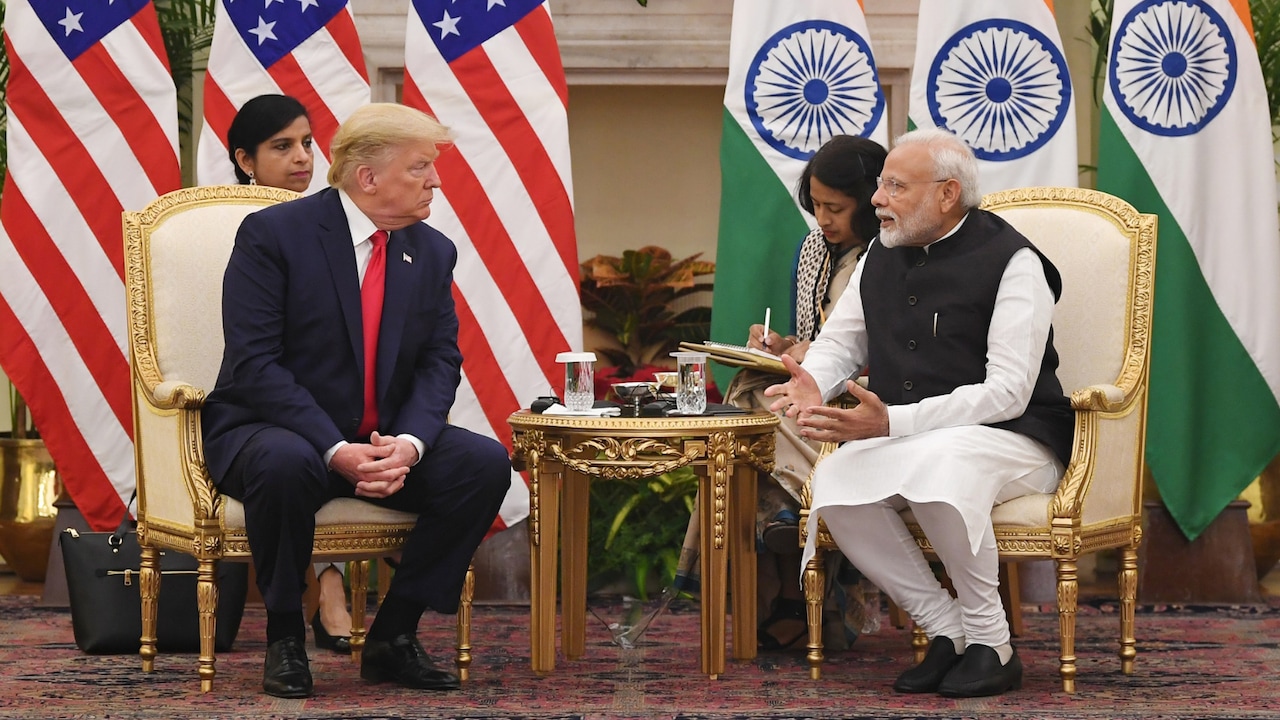
Every diplomatic correspondent in the international press corps is currently hyperventilating over a single headline. The lazy consensus states that an upcoming G20 summit appearance by Narendra Modi and a scheduled sit-down with Donald Trump represents a monumental alignment of geopolitical titans, a major milestone in bilateral defense and trade cooperation, and a masterclass in high-stakes statecraft.
It is diplomatic theater. And it changes nothing of substance. If you liked this article, you should look at: this related article.
When heads of state convene under the blinding lights of a G20 summit, the real work does not happen across mahogany tables in front of a battery of television cameras. The photo-ops are designed for domestic consumption, engineered to pump up approval ratings in Delhi and Washington while bypassing the grinding, unglamorous mechanics of actual policy implementation. I have spent years tracking backroom trade negotiations and intelligence-sharing protocols between the United States and India. Behind the beaming handshakes and carefully scripted joint statements lies a graveyard of stalled defense acquisitions, deep-seated disagreements over protectionist tariffs, and a fundamental misalignment of strategic ambitions.
Let us dismantle the core falsehood driving this narrative: the idea that personal chemistry between executive leaders can override structural friction between two sovereign bureaucracies. For another perspective on this story, check out the recent update from BBC News.
Washington wants a willing frontline proxy to counter Beijing's maritime expansion in the Indo-Pacific. New Delhi wants unconditional technology transfers, sovereign autonomy, and zero lectures on domestic governance or human rights. These two goals are structurally incompatible. When Trump pushes for market access for American agricultural goods and medical devices, India slams the door to protect millions of domestic smallholders and local pharmaceutical manufacturers. When Washington demands compliance with secondary sanctions on Russian energy imports, Indian refineries keep buying discounted crude because energy security beats Western moral posturing every single day of the week.
A bilateral meeting in front of the world press will not bridge these chasms. It will paper over them with smiling platitudes.
Consider the mechanics of major defense deals like the long-delayed procurement of armed drones or jet engine manufacturing agreements. These files crawl through years of bureaucratic friction within the Pentagon, the State Department, Ministry of External Affairs, and South Block. No amount of backslapping between populist leaders on a G20 stage compresses a decade of technology-transfer security reviews into a forty-minute coffee chat. Bureaucrats hold the pen, and bureaucrats write the rules. When the cameras turn off, the institutional inertia remains entirely intact.
To understand why this summit hype misses the mark, we must confront the people-also-ask queries dominating search traffic: Is the United States and India alliance the most important partnership of the century? Will a Trump-led administration offer India preferential trade terms?
The answers are a flat no, dressed up in diplomatic politeness.
The partnership matters, yes, but primarily as a matter of cold, transactional convenience. It is not an alliance. India does not do formal alliances; its doctrine of strategic autonomy is a sacred cow born out of historical non-alignment, and no charismatic American president is going to charm New Delhi into a subordinate security pact. Furthermore, Trump views international relations through a purely mercantile lens. Trade deficits are treated as personal insults, and tariffs are his favorite instrument of economic persuasion. If New Delhi expects a free pass on trade protections because of warm personal rapport, they are ignoring Trump's first term playbook entirely.
The real story of US-India relations is not found in the VIP holding room of a G20 summit venue. It is found in supply chain diversification, the quiet migration of semiconductor packaging facilities, tech talent mobility, and the gritty, unglamorous friction of data localization laws.
Stop treating diplomatic pageantry as a proxy for geopolitical reality. The handshake makes for good television, but the friction makes the history.