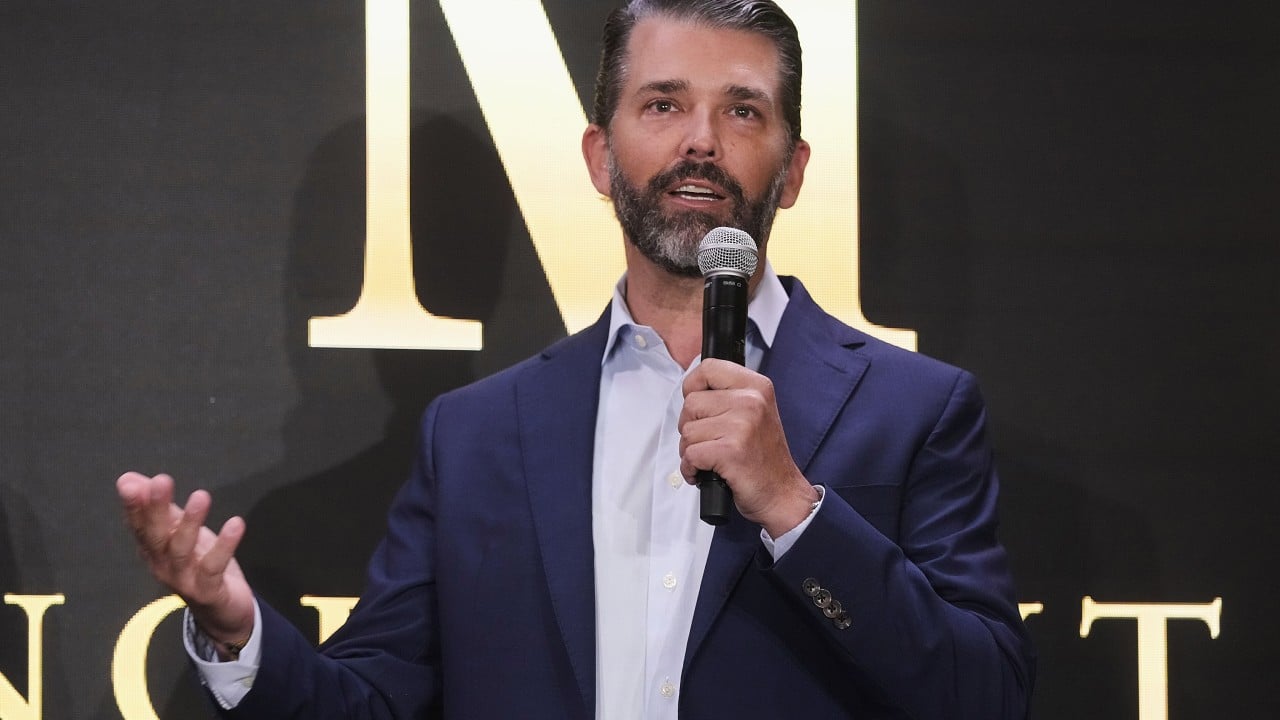
Is the era of American capital flowing into Chinese tech over? If you listen to Donald Trump Jnr, the answer is a resounding yes. The high-profile investor and political figure has a clear message for anyone holding a portfolio: pull your money out of Beijing.
It is not just empty political theater. The warning reflects a deeper, structural shift in how international business works. For decades, Western funds chased the massive growth numbers coming out of the Far East. Today, those numbers look more like a trap.
If you are currently exposed to Chinese equities or supply chains, you need to understand the real risks. The game has changed, and the old rules do not apply anymore. Here is why the advice to steer clear of China is gaining traction among serious investment circles.
The Reality of Sovereign Interference
When you buy shares in an American or European corporation, you own a piece of that business. You have property rights. In China, you own what the state allows you to own until they decide otherwise.
Look at what happened to massive tech giants like Alibaba and Tencent. A few regulatory shifts wiped out hundreds of billions of dollars in market value overnight. This is not normal market volatility. It is deliberate state intervention.
Trump Jnr points out that the Chinese Communist Party retains ultimate veto power over private enterprise. If a domestic company becomes too powerful, or if its leadership steps out of line, the government steps in. For an outside investor, that means your capital can be vaporized by a single policy decree. You cannot model that risk in a spreadsheet.
The Rare Earth Supply Chain Standforce
The decoupling of the two largest economies is no longer a theoretical threat. It is happening right now in the industrial sector. Consider the intense battle over rare earth elements and critical minerals.
China currently controls more than 90% of the downstream processing for rare earth magnets. These minerals are essential for everything from electric vehicles to advanced military hardware. Last year, Beijing restricted exports of key metals in response to Western tariffs. It was a clear demonstration of economic leverage.
Global Rare Earth Processing Market Share:
- China: 90%+
- Rest of the World: <10%
This chokehold has triggered a massive counter-offensive from Washington. Instead of sending money overseas, defensive capital is staying home to build domestic alternatives.
Take Vulcan Elements, a startup building a major rare earth magnet factory in North Carolina. Trump Jnr’s own venture firm, 1789 Capital, took an early stake in the company. Shortly after, the Pentagon’s Office of Strategic Capital stepped in with a massive $620 million conditional loan to fast-track the project.
The strategy is obvious. The money is moving toward domestic supply chain independence. Why risk capital in a foreign market that can shut down your access to raw materials on a whim?
Intellectual Property and Foreign Ownership Risks
Another massive hurdle is the structural vulnerability of foreign capital. Most Western investors buying into Chinese tech do not actually own the underlying assets. Instead, they buy into Variable Interest Entities (VIEs) based in offshore tax havens like the Cayman Islands.
It is a legal workaround. The Chinese government explicitly bans foreign ownership in sensitive sectors like internet tech and defense. The VIE structure relies on a web of contracts rather than direct equity ownership. If the state decides to enforce its ownership bans strictly, those contracts become worthless.
Then there is the ongoing issue of intellectual property protection. American medical tech firm FastWave recently faced this head-on when a Chinese partner acquired a massive stake and blocked local fundraising, sparking fears of IP theft. When local courts side with local firms, foreign investors lose every single time.
Where the Smart Money Is Moving
If you are pulling money out of the Far East, where do you put it? The trend is shifting toward "friend-shoring" and domestic manufacturing.
Capital is flowing heavily into domestic defense tech, quantum computing, and advanced manufacturing. The US government is actively subsidizing these sectors through initiatives like the CHIPS and Science Act. When Uncle Sam is underwriting the downside risk of domestic factories, investing in an adversarial market makes very little financial sense.
Look closely at your portfolio allocations. If you are holding broad emerging market index funds, you likely have heavy exposure to Chinese state-backed firms. It might be time to reassess that exposure. Seek out funds focused on domestic infrastructure, localized automation, and North American supply chains. The geopolitical trend line is clear, and fighting the tape is a losing bet.