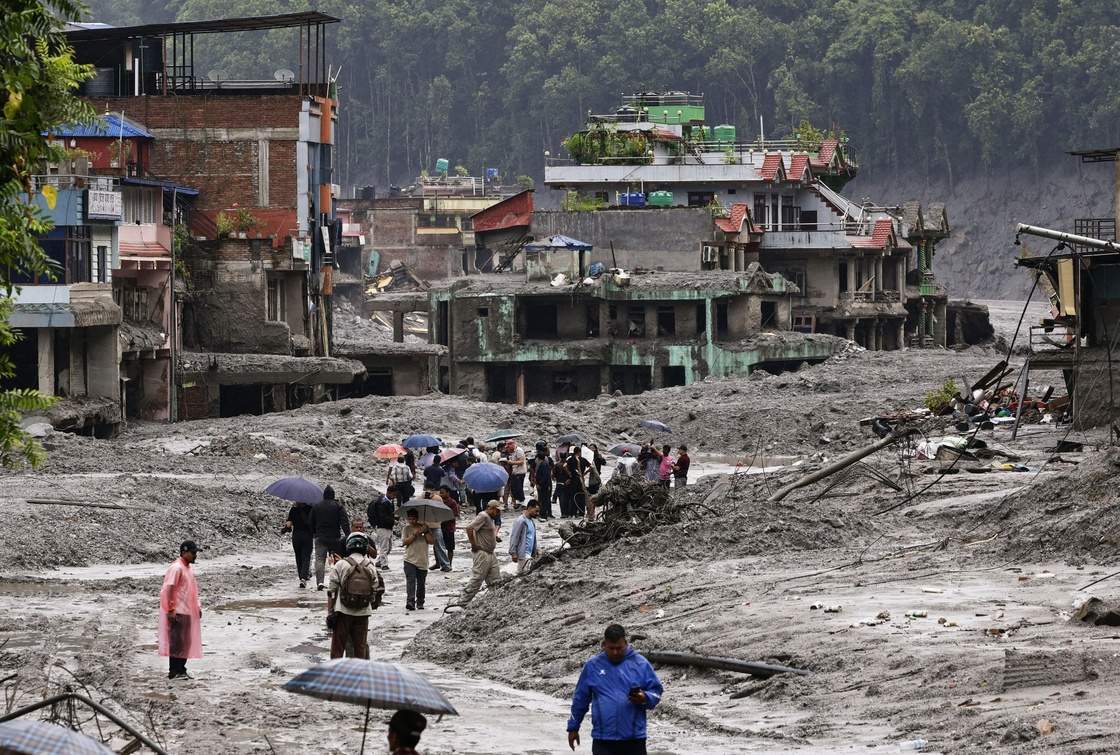
The illusion of quiet in the Middle East just shattered. Donald Trump is promising to hit Iran harder than ever after a sudden exchange of direct military fire broke a month-long lull.
If you thought the six-month standoff was cooling down into a predictable economic war, think again. US forces struck Iranian rocket positions on Larak Island, and Tehran answered back with ballistic missiles aimed at American assets in Jordan. Trump fired back on social media by calling Iran a failed state, while oil prices immediately jumped over three percent to clear ninety dollars a barrel. If you enjoyed this post, you might want to check out: this related article.
Here is what is actually driving this sudden escalation and why the Strait of Hormuz remains the most dangerous bottleneck on the planet.
The Strike on Larak Island
The latest flare-up did not happen in a vacuum. US Central Command launched a pre-emptive strike targeting Islamic Revolutionary Guard Corps units stationed on Larak Island, right inside the choke point of the Strait of Hormuz. For another look on this story, check out the recent coverage from The Washington Post.
Washington claims the IRGC was actively preparing to deploy sea-mined rockets aimed at commercial shipping lanes. For weeks, the White House tried to shift its strategy toward financial strangulation, letting Treasury Secretary Scott Bessent handle the pressure through secondary sanctions. But kinetic reality overrode economic theory. When minelaying equipment appears near global oil shipping routes, Washington reacts with kinetic force.
Iran state media reported casualties from the Larak Island bombing, proving that the relative calm of July and August was fragile from the start.
Tehran Answers With Ballistic Missiles
Iran did not absorb the blow quietly. Within hours, the regime retaliated by launching a barrage of drones and missiles toward regional installations hosting American military personnel, notably hitting targets linked to US forces in Jordan.
The IRGC claimed heavy damage at targeted sites, while Jordanian defense officials confirmed intercepting incoming projectiles. Trump later stated that air defenses intercepted nearly all incoming threats, but the physical exchange ended weeks of diplomatic posturing.
Iranian President Masoud Pezeshkian has tried to balance the escalations by claiming Tehran still prefers dialogue over total war. Yet, actions on the ground tell a different story. Revolutionary Guard commanders made it clear that any American strike will draw a multi-fold response, leaving regional trade routes vulnerable.
The Economic Pressure Cooker
Why did this happen now? The underlying math is simple. The White House faces mounting political pressure as November midterm elections approach, and voters are tired of an intractable conflict keeping inflation high.
Trump wants a decisive win or a comprehensive deal, but talks have completely stalled. Tehran knows that keeping the US military entangled in a perpetual Middle East stalemate hurts the administration domestically.
Oil markets feel every tremor of this confrontation. A fifth of global petroleum supply relies on the Strait of Hormuz. When Washington claims total naval control and Tehran responds with sea mines and ballistic missiles, global shipping insurance rates skyrocket.
Expect no short-term stabilization. Trump is doubling down on threats of absolute destruction for strategic islands if the harassment continues, and Tehran refuses to surrender maritime access. Keep a close eye on shipping insurance premiums and emergency energy reserves over the next week. The fragile border between containment and open war is wearing thin.