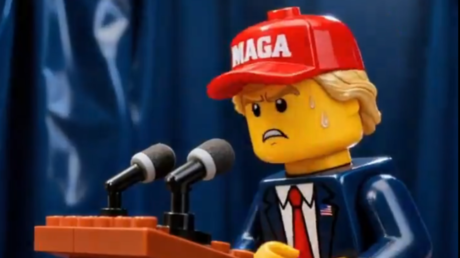
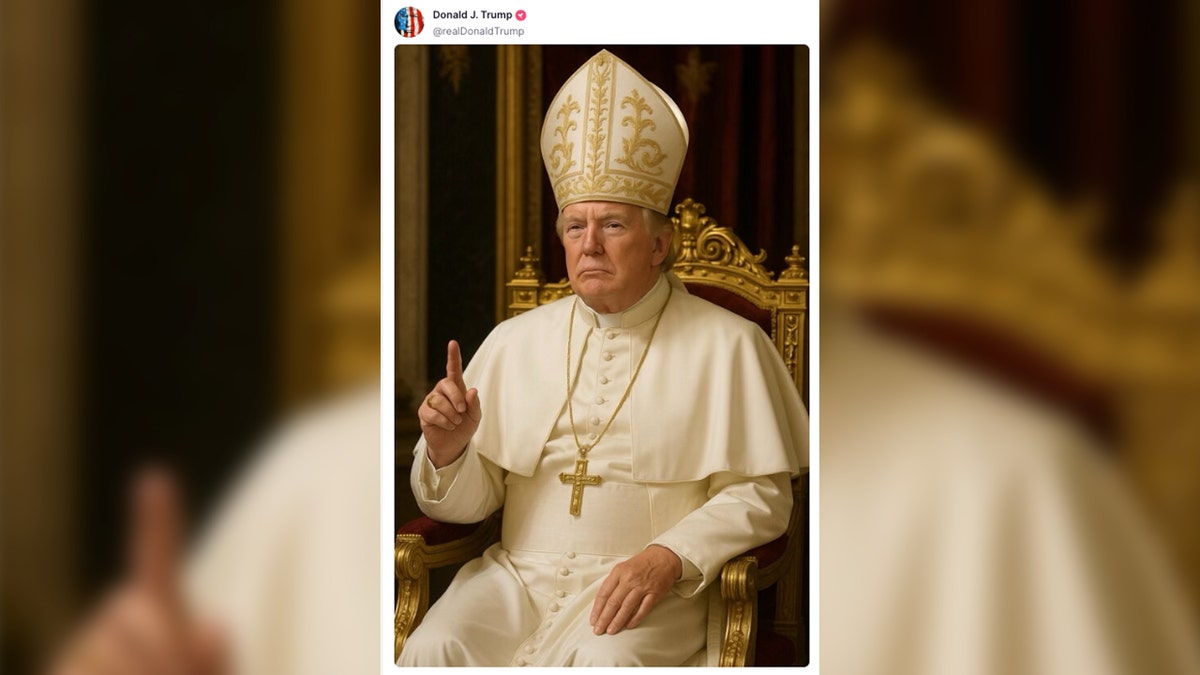
Donald Trump didn't just walk up to the line of religious controversy; he sprinted past it and did a victory lap. This week, the political world stopped spinning for a second when Trump shared an AI-generated image on Truth Social. It wasn't just him in a suit. It was him in flowing white robes, hands outstretched, healing the sick in a hospital bed with a divine glow. Basically, he cast himself as Jesus Christ.
If you’re a student of pop culture, your brain probably jumped straight to 1966. That was the year John Lennon told an interviewer that the Beatles were "more popular than Jesus." The fallout was nuclear. Records were burned. Death threats poured in. The "Jesus controversy" nearly broke the band. But if you think Trump’s latest stunt is his "John Lennon moment," you’re missing the point. The mechanics are different, the audience is different, and the stakes are much higher than a rock 'n' roll tour.
The fundamental difference in intent
John Lennon was making a snarky, observational point about the decline of traditional religion in Britain. He wasn't trying to be a savior; he was pointing out how weird it was that four guys from Liverpool had more cultural pull than the church. He eventually apologized because he didn't want to be a "piece of hate" in the world.
Trump isn't apologizing. When asked about the image, he told reporters, "It wasn't a depiction [of Jesus], it was me... I do make people better." He’s not observing a trend; he’s trying to occupy the space of the divine. He’s leaning into a messianic brand that he’s been building for years. To his most hardcore base, he isn't just a politician. He’s the "Chosen One" fighting a spiritual war.
Why the religious right is finally flinching
For years, the alliance between Trump and evangelical leaders seemed unbreakable. They looked past the hush money, the divorces, and the rhetoric because he delivered on their policy goals—like the Supreme Court's 2024-25 rulings on immunity and birthright citizenship. But this AI-Jesus stunt hit a nerve that politics couldn't reach.
Prominent MAGA voices are turning. Conservative influencer Mandy Arthur actually used the "A-word," suggesting they might have elected the Antichrist. Riley Gaines, usually a staunch defender, called for humility. Even the Vatican’s Vicar in Jerusalem weighed in, calling the comparison "unacceptable."
When Lennon made his comment, the backlash came from the outside. People who already hated the Beatles used it as ammo. With Trump, the fire is coming from inside the house. His own followers—the ones who buy the "God Made Trump" merchandise—are the ones saying "God shall not be mocked."
The war with the Pope
You can't talk about this without mentioning Trump's simultaneous broadside against Pope Leo. Calling the leader of the Catholic Church "weak" and "terrible" while literally depicting yourself as Christ is a bold move, even for him. This isn't just a PR blunder; it's a strategic shift. Trump is essentially telling his base that their loyalty should be to the movement, not the traditional religious institutions.
This is where the Lennon comparison completely falls apart. Lennon’s comments led to the end of the Beatles as a touring act. He retreated. Trump uses these moments to purge the "unfaithful" from his circle. He’s testing the limits of what his followers will accept.
A new kind of blasphemy
In 1966, the world was shocked by the idea that a pop star could be bigger than God. In 2026, we’re living in a world where AI can make the leader of the free world look like the Son of Man in thirty seconds. The speed of the cycle makes it harder to feel the weight of the blasphemy.
But don't be fooled by the fast-moving news cycle. This is a massive gamble. Trump's strength has always been his ability to maintain a solid block of religious voters. By making himself the center of the faith, he risks alienating the very people who gave him power. It's one thing to be a "flawed vessel" like King David; it's another thing to try and replace the King of Kings.
What happens now
If you’re watching this play out, don't look at the polls. Look at the pews. The real story isn't the deleted post—it's whether the religious leaders who have been Trump's shield for a decade finally decide they've had enough.
- Watch the influencers: If people like Sean Feucht and Megan Basham continue to distance themselves, the "faith-based" armor is cracking.
- Follow the money: Religious PACs have been the lifeblood of the campaign. See if the checks keep coming.
- Pay attention to the rhetoric: Look for whether Trump doubles down on the "doctor" excuse or continues to post messianic imagery.
This isn't John Lennon in a press conference looking for a way out. This is a man seeing how far he can push the boundaries of devotion. If the religious right decides that "God shall not be mocked" is more important than "winning," the political map of 2026 is about to get a lot more complicated.