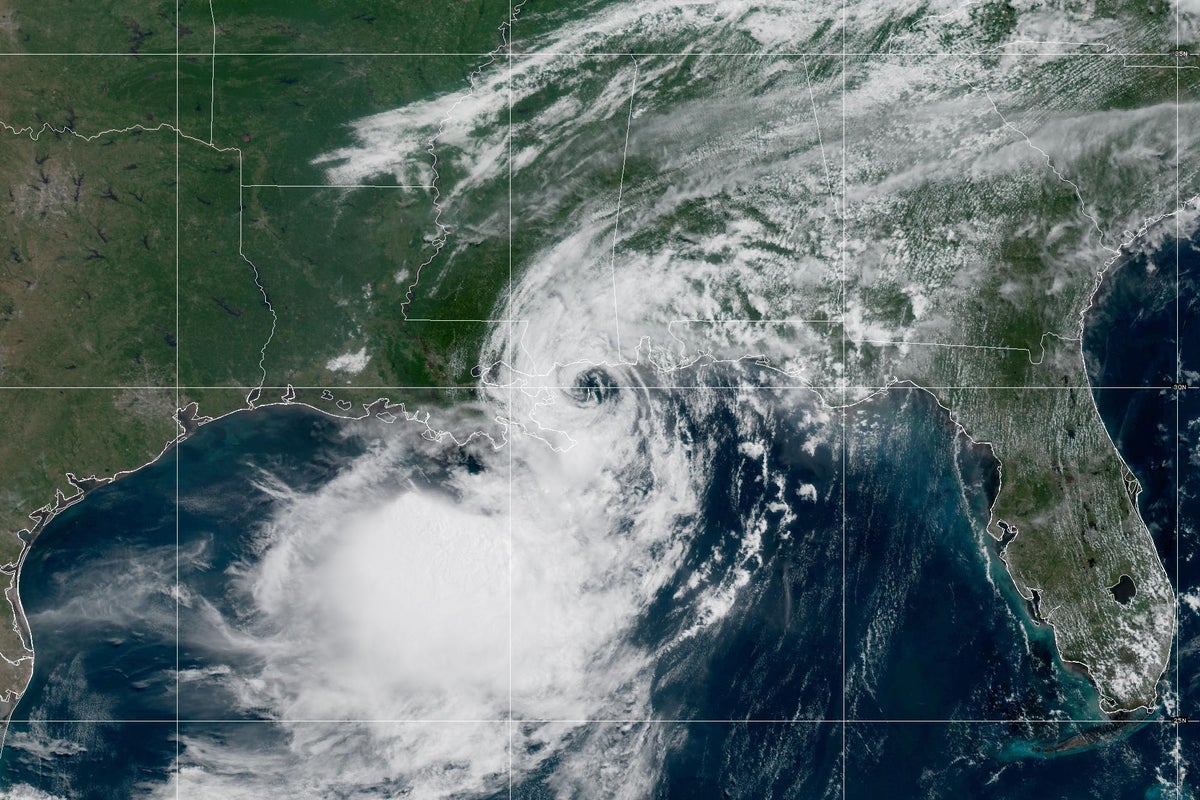
Tropical Storm Bertha made landfall along the Louisiana coastline packing sustained winds that stretched well over 100 miles from its center. On paper, the official updates tracked a predictable sequence of barometric pressure drops, coastal storm surges, and localized flooding warnings. Behind those standard meteorological metrics lies a far more troubling reality. The immediate structural damage caused by Bertha's expansive wind field was merely the surface trigger for a predictable cascade of grid failures, insurance insolvencies, and infrastructure neglect that state officials have allowed to fester for years.
Coastal communities faced high winds and torrential downpours as the storm crept inland. Yet, attributing the resulting widespread power outages and economic paralysis solely to nature ignores the fundamental fragility of Gulf Coast infrastructure.
The Myth of the Unexpected Storm
Tropical cyclones expanding over 100 miles are not anomalies in the Gulf of Mexico. They are the baseline expectation. Despite decades of advanced satellite modeling, municipal planning throughout southern Louisiana routinely treats severe tropical storms as rare, black-swan disruptions rather than recurring operational realities.
Building codes in high-risk zones frequently rely on outdated wind-load standards. When a tropical storm spreads moderate gale-force winds across a hundred-mile radius, it exposes systemic weaknesses across thousands of aging structures simultaneously. Roofs fail not because the wind speeds are historically unprecedented, but because maintenance backlogs and lax code enforcement allow minor structural decays to become catastrophic points of failure under sustained pressure.
The immediate reaction from localized authorities following landfall typically involves promises of emergency appropriations and rapid debris removal. This reactive posture hides a structural policy failure. Millions of dollars flow into post-disaster cleanup, while pre-disaster hardening initiatives stall in regulatory committee reviews or suffer from chronic underfunding.
Grid Resilience Collapses Under Extended Wind Radii
Electricity grids represent the most glaring vulnerability during sprawling storm systems. When Bertha’s outer bands swept across the coast, power lines were knocked out far beyond the eye of the storm.
Standard utility distribution systems rely on traditional above-ground pole networks. These networks are exceptionally vulnerable to vegetation interference during high-wind events. As a storm’s radius stretches past 100 miles, the surface area exposed to falling branches and wind-blown debris increases exponentially.
Storm Radius vs. Exposed Grid Area
----------------------------------
50-Mile Radius  -->  ~7,850 Square Miles Exposed
100-Mile Radius --> ~31,400 Square Miles Exposed
Four times the geography means four times the strain on repair crews, supply chains, and emergency response infrastructure.
Regional utilities routinely highlight their investment in "grid modernization" during public rate-adjustment hearings. However, much of that capital spending centers on digital smart meters and billing automation rather than physical hardening, such as undergrounding critical distribution feeders or replacing aging timber poles with composite materials. When wind fields expand, soft infrastructure offers zero physical defense. The lights go out, food spoils, water treatment facilities switch to temporary backup generators, and the regional economy halts.
The Unraveling Property Insurance Market
Physical damage from Bertha's wind and water is only the first phase of destruction. The secondary, long-term impact plays out in the regional insurance sector.
Every mile of coastal terrain battered by tropical storm-force winds represents millions in potential property claims. In recent years, major private insurers have quietly reduced their exposure in Louisiana, canceling policies, raising deductibles, or exiting the state market entirely. This flight leaves policyholders reliant on smaller, regional carriers or state-sponsored insurers of last resort.
Smaller insurance carriers rarely possess the capital reserves necessary to absorb repeated, multi-county claim events without spiking premiums or facing liquidation. When a storm affects a 100-mile swath of populated land, the sheer volume of concurrent claims strains these undercapitalized entities to the breaking point.
The Homeowner Squeeze
Property owners find themselves trapped in an unsustainable cycle.
- Soaring Premiums: Rates double or triple as risk models recalculate exposure across vulnerable coastal corridors.
- Reduced Coverage: Policies exclude wind-driven rain or impose massive named-storm deductibles that force owners to pay out of pocket for substantial repairs.
- Depreciating Assets: Homes become functionally uninsurable, cratering property values and eroding the tax base that local municipalities depend on to fund emergency services and infrastructure repairs.
When insurance becomes unaffordable, mortgage defaults rise. Financial institutions hesitate to issue new loans in regions deemed high-risk, effectively freezing local real estate markets and choking off economic growth long after floodwaters recede.
Flood Protections Built for Yesterday's Hydrology
Coastal Louisiana’s defense mechanisms depend heavily on levees, floodgates, and pumping stations designed decades ago. While these civil engineering feats prevent catastrophic ocean inundation in specific industrial corridors, they often fail to address the compound flooding caused by modern tropical systems.
Bertha brought both coastal surge and massive inland rainfall. When strong, continuous winds push marine waters into bayous and canals, inland drainage channels lose their capability to discharge heavy rainfall into the Gulf. The water has nowhere to go. It backs up into street networks, residential subdivisions, and commercial zones that sit well outside designated high-risk flood plains.
Municipal storm drainage capacity in many Gulf towns remains calibrated for short, high-intensity rain events, not prolonged, wind-backed tropical downpours lasting eighteen to twenty-four hours. Taxpayers are left funding emergency pumping equipment that merely pushes water from one flooded neighborhood into another because the regional hydrological network lacks adequate capacity.
Industrial Hazards and Supply Chain Disruptions
Louisiana’s coast acts as a critical hub for energy production, maritime shipping, and chemical manufacturing. When a tropical storm with a 100-mile wind field moves across this industrial corridor, the economic ripple effects extend across national supply chains.
Ports shut down operations to protect vessel security and cargo handling equipment. Refining facilities throttle down production or execute emergency shutdowns to prevent chemical releases triggered by utility loss.
The Real Cost of Emergency Shutdowns
Unplanned industrial shutdowns carry severe operational risks and financial penalties.
- Refractory Thermal Shock: Rapid cooling of high-temperature refinery units can cause structural cracking in specialized equipment, delaying restarts for weeks.
- Product Spoilage: Interrupted chemical synthesis processes force operators to flare off off-spec materials, creating localized environmental hazards and lost revenue.
- Logistical Bottlenecks: Barges, rail cars, and heavy transport trucks stall along the transport corridor, causing price spikes for fuels and industrial raw materials nationwide.
The public narrative usually focuses on temporary gasoline price increases at the pump. The deeper issue lies in the systemic instability of critical national infrastructure positioned along vulnerable, degrading shorelines.
The High Cost of Patchwork Solutions
Federal relief funds frequently arrive following major storm declarations, pouring billions into emergency recovery. Yet, federal disaster aid guidelines historically favor restoring damaged structures to their pre-storm condition rather than rebuilding them to superior resilience standards.
Rebuilding a compromised structure to its original specifications guarantees it will fail again during the next storm cycle. True resilience requires structural relocation, aggressive wetland restoration to blunt storm surges, mandatory structural retrofits for commercial and residential properties, and grid undergrounding along primary transit corridors.
These systemic upgrades require massive upfront capital and political bravery. Short-term political cycles incentivize quick fixes, photo opportunities with emergency response teams, and immediate declarations of recovery over long-term structural reform.
Until municipal planners, state legislators, and utility executives move past reactive crisis management, tropical storms like Bertha will continue to expose the glaring vulnerabilities of the Gulf Coast. The damaging winds stretching over 100 miles are an environmental reality. The structural collapses, regional power failures, and economic decay that follow remain entirely self-inflicted.