The math of catastrophe is rarely quiet. For decades, economists evaluated climate risk through the lens of gradual sea level rise, predictable crop yield adjustments, and linear carbon taxes. That era is over. The true financial ledger of climate breakdown is being written in thick, choking plumes of particulate matter that drift across international borders, paralyzing supply chains, grounding aviation fleets, and shifting billions of dollars in uninsurable liabilities directly onto the balance sheets of future generations.
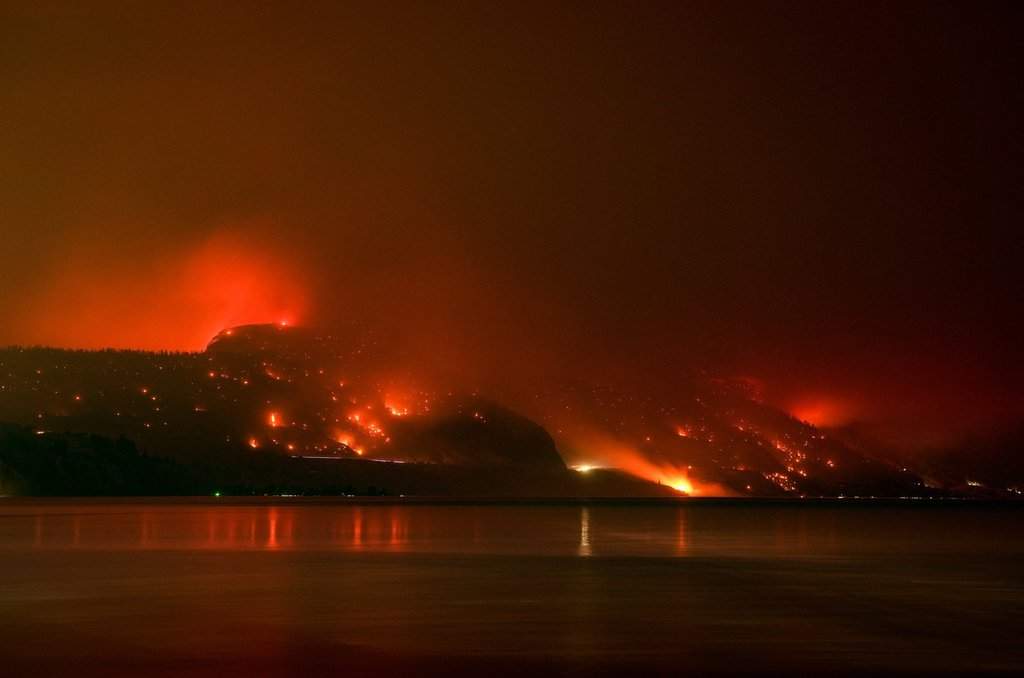
When Canadian boreal forests burn with unprecedented fury, the immediate television imagery focuses on evacuated towns and amber skies. That is the theatre. The reality is an aggressive structural shock to macroeconomic stability. Wildfires in Canada are no longer seasonal anomalies managed by provincial forestry crews with waterbombers and overtime budgets. They represent an existential fiscal hemorrhage, a compounding debt that will siphon capital away from public infrastructure, healthcare, and education for decades.
The Mechanics of Fiscal Bleed
Financial analysts tracking climate vulnerability often miss the transmission mechanism between burning timber and sovereign credit ratings. Forests are natural economic capital. They sequester carbon, stabilize regional hydrological cycles, support multi-billion-dollar lumber industries, and underpin the tourism economies of vast rural expanses. When millions of hectares of this timber vanish in weeks, the losses cascade outward with terrifying speed.
Insurance markets offer the first glaring warning sign. Property and casualty insurers are pulling back from vulnerable regions with clinical detachment. Premiums are skyrocketing where coverage remains available at all, pricing small businesses and homeowners out of the market. When private insurance retreats, governments inevitably step in as insurers of last resort. This dynamic creates a moral hazard while quietly loading contingent liabilities onto public debt.
Canadian provinces are already finding their emergency reserve funds depleted before mid-summer. Fighting high-intensity crown fires requires astronomical logistical support. Aircraft leasing, chemical retardants, heavy machinery mobilization, and thousands of contractor hours consume provincial treasuries at a breathless pace. To cover these deficits, governments borrow against future tax revenues. Consequently, unborn taxpayers inherit the cost of today's infernos through higher debt servicing charges and diminished public services.
The Transboundary Externalities
Smoke does not respect political boundaries. During severe fire seasons, atmospheric rivers of carbon and toxic particulates sweep southward into the economic heartland of the United States. Major metropolitan centers experience air quality indexes that halt outdoor labor, depress retail foot traffic, and strain emergency rooms with respiratory admissions.
Economists quantify these impacts under the banner of lost productivity. When construction sites shut down, delivery drivers stay indoors, and tourism boards issue cancellation warnings, millions of economic transactions simply evaporate. This friction creates a hidden tax on continental commerce. Businesses operating in high-smoke zones face rising absenteeism and increased investments in industrial-grade filtration systems just to keep baseline operations functioning.
Yet, traditional gross domestic product accounting fails to capture this degradation properly. In fact, disaster recovery spending often registers as a positive contribution to GDP because money is changing hands to rebuild or suppress flames. This statistical illusion masks the underlying impoverishment. Spending capital to replace a bridge destroyed by fire is defensive expenditure, not productive investment. It is money that cannot be deployed toward technological innovation, education, or productivity-enhancing infrastructure.
The Insurance Deadlock and Municipal Insolvency
At the municipal level, the financial architecture of local government is cracking under the strain. Most towns and cities in forested regions rely heavily on property taxes to fund local infrastructure. When a severe wildfire sweeps through a municipality, destroying homes and commercial buildings, the tax base shrinks overnight even as rebuilding demands skyrocket.
Municipal bond markets are beginning to price this vulnerability. Cities with high wildfire exposure face rising borrowing costs as rating agencies scrutinize emergency preparedness and mitigation spending. A municipality cannot simply declare bankruptcy and walk away from its water treatment plants, roads, and electrical grids. They must borrow more at worse rates, locking themselves into long-term fiscal distress.
The private insurance industry faces a parallel reckoning. Actuarial models built on historical weather patterns are now obsolete. Past performance no longer predicts future risk in a rapidly destabilizing climate. As reinsurers hike rates globally to cover Canadian and international wildfire losses, the cost of capital ripples through every sector of the economy. Homeowners in unaffected provinces find their premiums rising to subsidize the systemic risk concentrated in the wildland-urban interface.
Escaping the Feedback Loop
Breaking this trajectory requires abandoning the fantasy that fire seasons will eventually return to historical norms. They will not. Fire suppression policies of the past century have created dense, fuel-rich forests primed for catastrophic combustion. Combined with prolonged droughts and rising average temperatures, the landscape is a loaded spring.
Mitigation demands a fundamental pivot from reaction to structural transformation. Prescribed burns, forest thinning, and strategic firebreaks require massive upfront capital investments. Indigenous communities, who hold centuries of traditional ecological knowledge regarding fire stewardship, must be integrated into land management frameworks with adequate funding and autonomous authority.
Without aggressive structural adaptation, future generations will inherit a fiscal straightjacket. The trillions of dollars in projected costs are not abstract figures generated by pessimistic computer simulations. They represent real wealth extracted from hospitals, schools, and productive enterprise, burned away into the upper atmosphere one exhausted summer at a time.