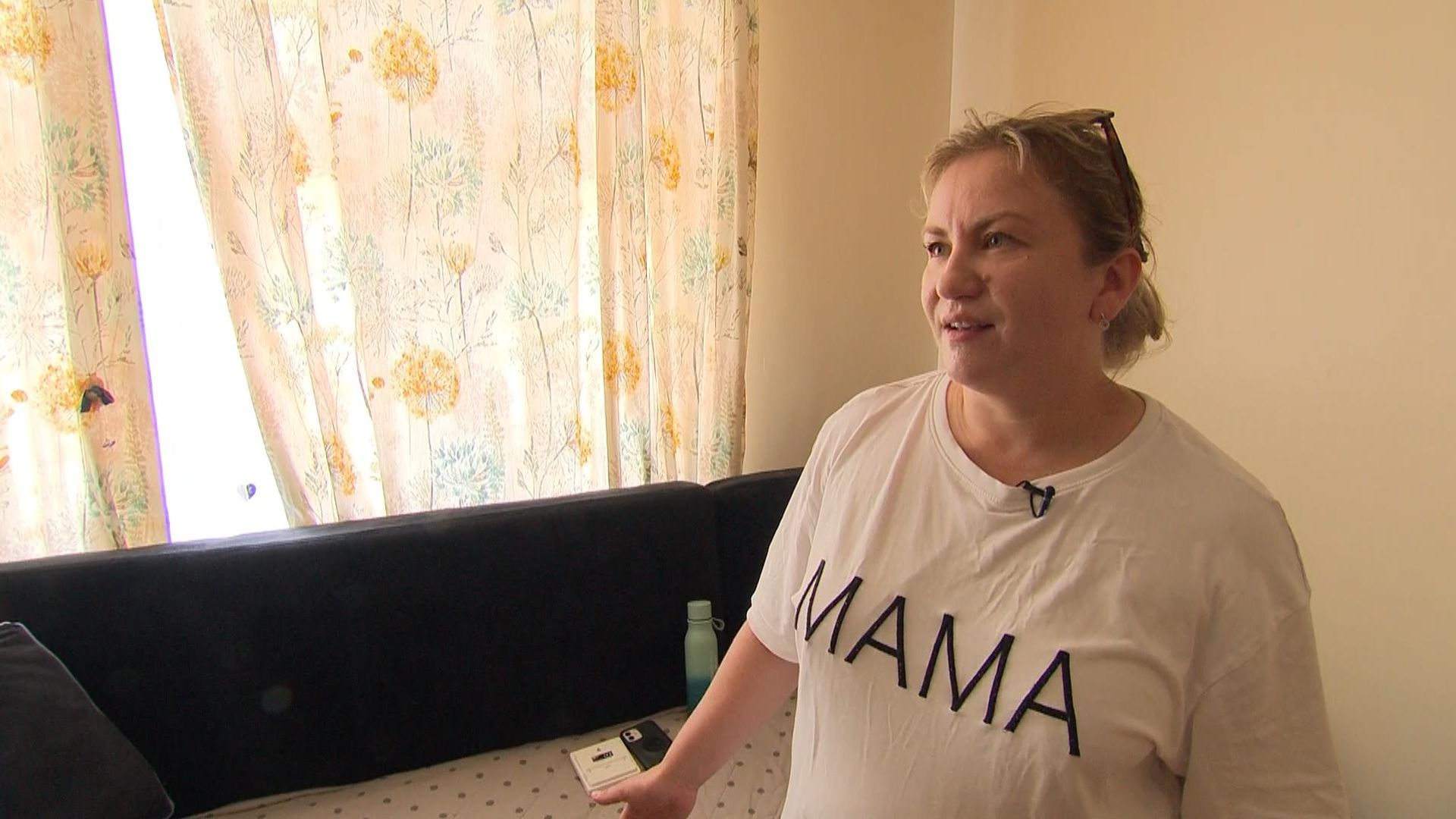
The air inside the apartment does not move. It has not moved since June began. By mid-afternoon, the drywall radiates heat like the bricks of an outdoor oven after the fire has gone out.
If you look at a spreadsheet mapping urban heat vulnerability, this room is a data point. It is a tiny square shaded in dark purple, indicating maximum risk. But spreadsheets do not sweat. They do not feel the specific, heavy panic that sets in when the air entering an open window is warmer than the air inside the room.
To understand why some people are currently suffocating in their own homes while others enjoy the cool quiet of central air, you have to look past the thermometer. Heat is physical, but its distribution is entirely social. The danger of a warming world is not distributed evenly. It pools in the lowest-income brackets, stalls in specific architectural designs, and targets the bodies least able to fight back.
The Architecture of an Oven
Consider a hypothetical resident named Arthur. He is seventy-two, lives on a fixed income, and resides in a mid-century brick apartment building in the city’s core.
Arthur’s building has no central cooling. It was built in an era when summers were milder and building materials were chosen for their durability rather than their thermal efficiency. The structure features large, single-pane windows that face south, drawing in the fierce afternoon sun. There are no trees outside to break the glare—only an asphalt parking lot that absorbs radiation all day and bleeds it back into the atmosphere all night.
This is what urban planners call the heat island effect, but for Arthur, it is simply a room that never cools down.
When ambient temperatures outside reach 32°C (90°F), the temperature inside a top-floor flat with poor insulation can easily soar past 38°C (100°F). The building itself becomes a thermal battery. It stores the energy of the sun and discharges it continuously, meaning the indoor temperature remains dangerously high long after the sun has set. For a young, healthy body, a few days of this is exhausting. For a body that has lived seven decades, it can be fatal.
The human body cools itself through a deceptively simple mechanism: vasodilation. The heart pumps blood faster, redirecting it toward the skin, where sweat can evaporate and carry the heat away. It is an internal radiator system.
But this system requires immense energy.
When a person is trapped in a room above 35°C (95°F) with high humidity, sweat stops evaporating. The air is already full of moisture; it has no room left to take yours. The heart pumps harder and harder, working with the frantic urgency of an engine low on oil. If that person has underlying cardiovascular disease, or if they are taking medications like beta-blockers that limit heart rate variations, the system fails. The core temperature rises. Organs begin to cook.
The Financial Thermostat
There is a common assumption that surviving a heatwave is a matter of personal choice—that one simply needs to turn on a fan or buy a window unit. This view ignores the brutal arithmetic of poverty.
A standard window air conditioning unit costs money to buy, but it costs far more to run. For someone living on a tight monthly budget, the decision to turn on the AC is not a question of comfort. It is a direct trade-off against medicine, groceries, or rent. They sit in the dark with the blinds drawn, waiting out the heat, trying to guess exactly how hot is too hot before they risk financial ruin.
Fans do not solve the problem when the temperature crosses a specific threshold.
If the air temperature is higher than the temperature of your skin (typically around 35°C or 35°F), a fan does not cool you down. It does the opposite. It blows hot air onto a hot body, accelerating dehydration and heat exhaustion. It acts exactly like a convection oven, speeding up the rate at which the body absorbs heat from its environment.
This is where the injustice of climate change becomes visible. The people who contributed the least to global carbon emissions—those without cars, those living in dense housing, those working manual jobs—are the ones who pay the highest price when the mercury spikes. Their vulnerability is built into the geography of our cities.
The Invisible Casualty Count
When a hurricane hits, the damage is loud. Roofs rip away, rivers breach their banks, and cameras capture the immediate, violent aftermath. Heat is quiet. It leaves no debris. It does not smash windows or down power lines.
Because of this silence, we routinely underestimate its body count.
When a heatwave passes through a city, the deaths do not usually happen on the pavement. They happen behind closed doors, in rented rooms, down long corridors where the air smells of old dust and hot linoleum. A person slips into a heat-induced stupor, falls asleep, and never wakes up. The coroner often lists the cause of death as a heart attack or stroke, hiding the true culprit behind a medical technicality.
If you look closely at the data from recent extreme heat events across Europe and North America, a clear pattern emerges. The elderly, people living alone, and those with pre-existing mental health conditions are disproportionately represented in the mortality statistics.
Isolation is a significant risk factor.
Without someone to notice that their speech has become slurred, or that they have stopped drinking water, vulnerable individuals quickly pass the point where they can save themselves. Confusion is one of the primary symptoms of heat exhaustion. By the time you are in severe danger, your brain is often too hot to recognize it.
Redesigning the Modern Shade
The solutions we rely on now are temporary fixes. We open cooling centers in public libraries, but a frail senior citizen cannot always walk six blocks through an inferno to get to one. We distribute fans that offer a false sense of security while driving up electricity bills.
True resilience requires rewriting the rules of how we build and live.
We need architecture that breathes. This means implementing green roofs that use vegetation to cool buildings naturally, mandating external shutters that block sunlight before it ever hits the glass, and planting urban canopies in neighborhoods that have been concrete deserts for generations. Shade should not be a luxury commodity reserved for wealthy suburbs. It is a fundamental piece of public health infrastructure.
Until we treat indoor temperature regulation as a human right rather than an individual expense, the purple squares on the vulnerability maps will continue to expand. The climate is shifting faster than our infrastructure, and the gap between the cooled and the overheated is widening into a gulf.
The sun will come up again tomorrow. The asphalt outside Arthur’s window will begin to bake by 8:00 AM, and the heat will begin its slow, heavy climb up the stairwell, searching for the rooms that cannot fight back.