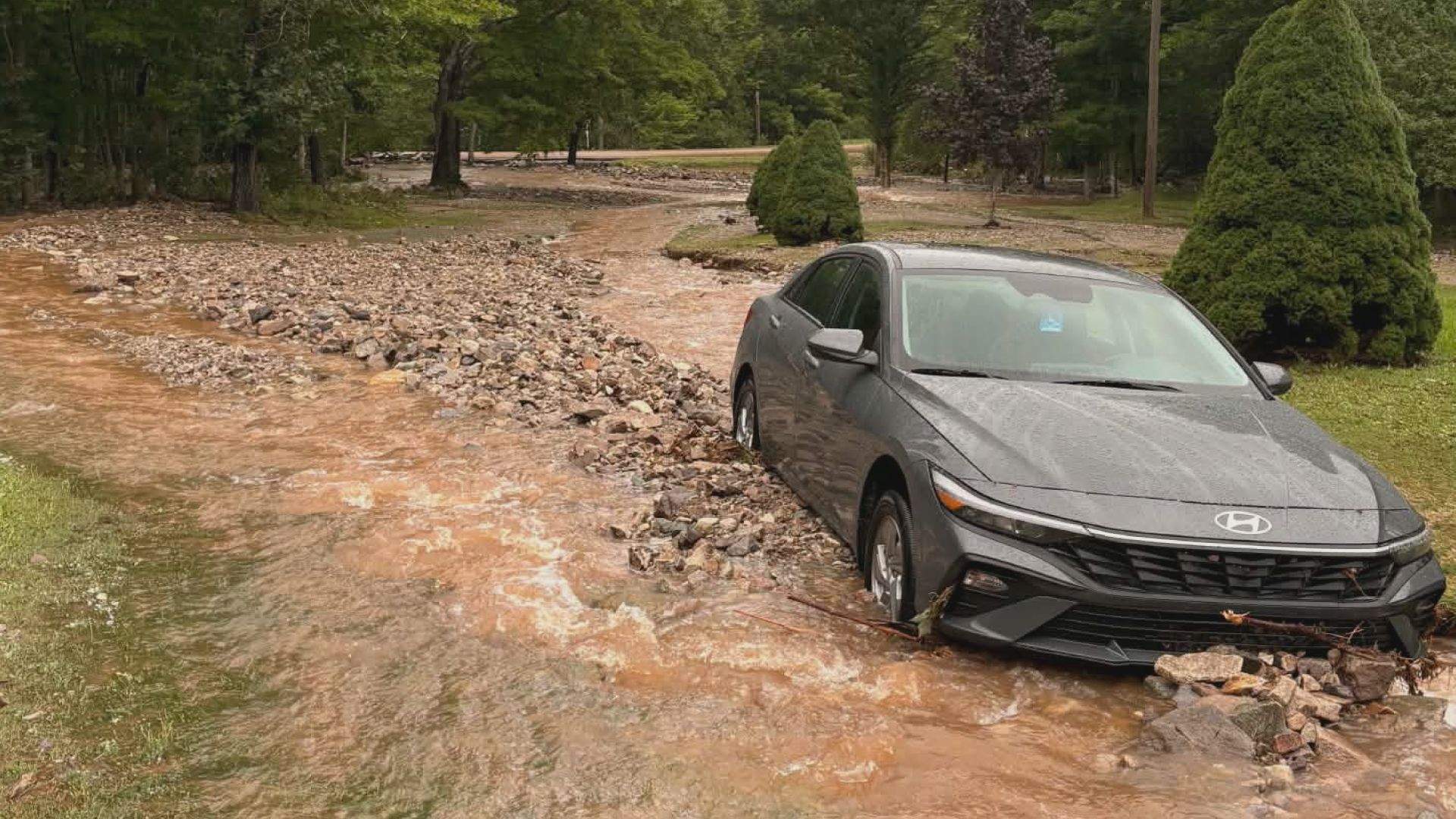
Water is relentless. When it drops over two hundred millimeters of rain in a matter of hours, roads turn into rivers and bridges become death traps. That is the harsh reality that hit Cape Breton Island, leaving a community shattered and a province in deep mourning.
Nova Scotia Premier Tim Houston didn't mince words when addressing the tragedy. The severe weather system didn't just wash out asphalt and knock out power grids; it took a life. Behind every headline about climate data and state-of-emergency declarations lies an agonizing human cost that demands our full attention and empathy.
The Human Cost of the Cape Breton Flooding
Let's look past the weather maps for a moment. The storm hit Richmond County with terrifying speed. A forty-six-year-old woman from Cleveland, Nova Scotia, was reported missing on a Saturday morning around 8:45.
Think about what her family went through in those opening hours. Her vehicle was discovered parked near her home, sitting stubbornly on the far side of a flooded bridge that had transformed into an impassable barrier. Local RCMP officers, search-and-rescue volunteers, and fire services mobilized immediately, launching a frantic search through treacherous conditions.
At roughly 2:30 that afternoon, her body was recovered. Police confirmed the death isn't considered suspicious, just a brutal casualty of an unrelenting natural disaster. When Premier Houston released his statement shortly after, he spoke for a grieving province. Nova Scotians aren't just dealing with property damage; they're grappling with an irreplaceable loss.
Understanding the Scale of the Storm
Why did this storm hit so hard? Honestly, nature threw everything it had at the region. Parts of Cape Breton and the northern mainland endured days of relentless rainfall from a slow-moving weather system.
In places like Sydney, Saturday etched itself into the record books as one of the rainiest days seen in years. We are talking about more than a month's worth of precipitation compressed into a single weekend. When over two hundred millimeters of water slams into terrain that can't absorb it fast enough, drainage systems fail instantly.
States of emergency were hastily declared across multiple counties. Thousands of residents lost power. Washed-out roads near places like Marble Mountain turned local travel into a high-stakes gamble. If you've ever driven through a torrential downpour and watched water pool across the windshield faster than the wipers can clear it, you know that helpless feeling. Multiply that by a hundred, and you start to grasp what Cape Breton faced.
Heroes on the Front Lines
Amid the chaos, regular people stepped up. First responders didn't wait for the skies to clear. They waded into chest-high water, coordinated evacuations, and checked on vulnerable neighbors.
Premier Houston publicly thanked the municipal teams, emergency workers, and volunteers who worked through the night. These aren't just corporate talking points; they are the backbone of rural communities during crises. When local infrastructure collapses, your neighbor with a tractor or the local volunteer firefighter is the only safety net you have.
Emergency management officials across Atlantic Canada face a recurring nightmare with these storms. They come faster, drop more water, and catch people off guard, even with advanced radar.
The Hard Truth About Aging Infrastructure
We need to talk about infrastructure. You can't blame every washed-out bridge entirely on the weather. Many rural Canadian roads and bridges were built decades ago under completely different climate assumptions.
They were engineered for historical weather patterns that simply don't exist anymore. When a storm dumps a month's worth of rain in forty-eight hours, culverts back up and small creeks become roaring torrents. Fixing this isn't just about patching potholes or filling sandbags. It requires a massive financial commitment to redesign culverts, elevate roadways, and climate-proof rural corridors.
Elected officials love talking about long-term resilience after a disaster strikes, but the real test is whether funding follows the rhetoric once the cameras leave. If local municipalities keep operating on shoestring budgets, tragedies like the one in Cleveland, N.S., will keep happening.
What You Should Do When Severe Weather Hits
When weather alerts flash across your phone, stop treating them like background noise. Too many people brush off flood warnings until water is literally pooling at their front doorstep.
- Stay off the roads: Premier Houston gave the most straightforward advice possible: stay home. Driving through moving water is a massive gamble. It takes less than two feet of water to sweep a full-sized SUV away.
- Know your local geography: If you live near a bridge, a low-lying creek, or a coastal flood zone, have an evacuation plan before the power goes out.
- Check on vulnerable neighbors: Rural communities have older populations who might not catch emergency broadcasts or have the physical ability to clear blocked drains around their homes.
Weather patterns are shifting, and Atlantic Canada is on the front line of these atmospheric beatdowns. Mourning a life lost in the Nova Scotia flooding is heartbreaking, but honoring that memory means taking our changing environment seriously, tightening our emergency protocols, and refusing to treat extreme weather as just another bad weekend. Stay safe out there, keep an eye on your local authorities, and look out for the people sharing your street.