Toyota just posted a financial paradox that should haunt every boardroom from Nagoya to Detroit. The world’s largest automaker reached a historic milestone on Friday, becoming the first Japanese company to surpass 50 trillion yen ($323 billion) in annual sales. Yet, despite moving 11.28 million vehicles and dominating the hybrid market, the company’s net profit cratered by 19.2%. The culprit is not a lack of demand or a failure of engineering. It is the raw, mathematical friction of the renewed trade war.
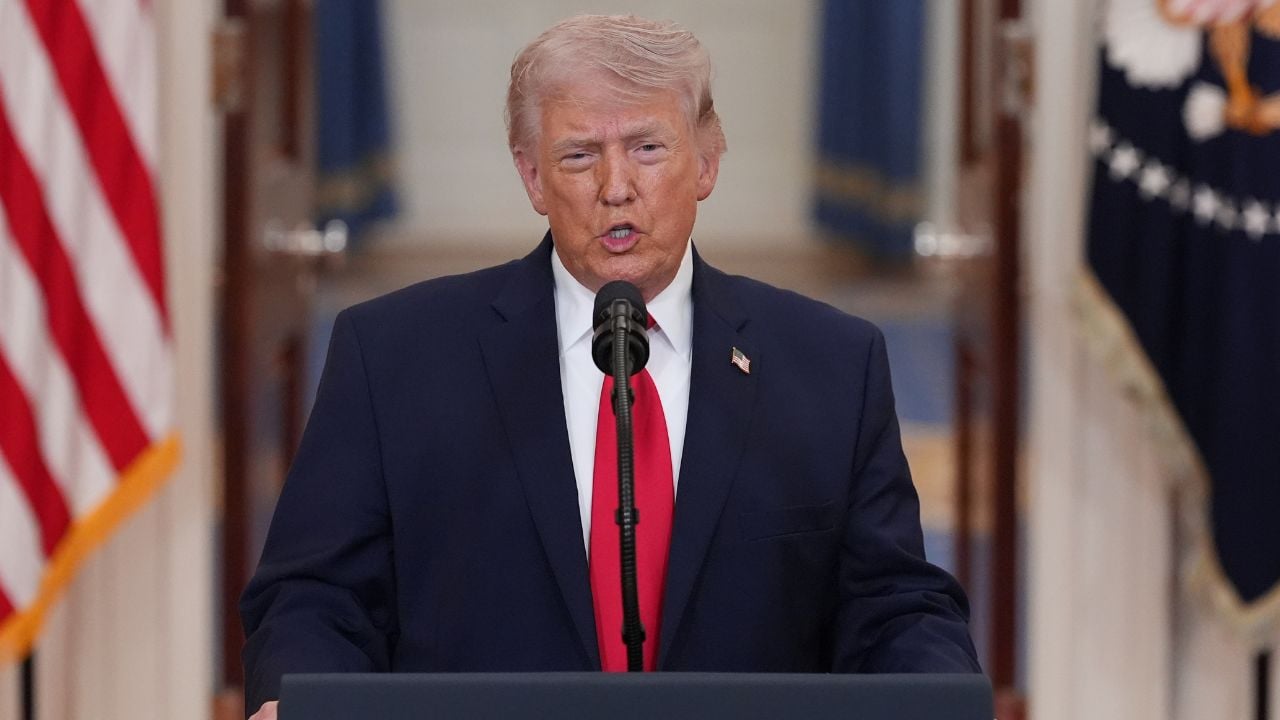
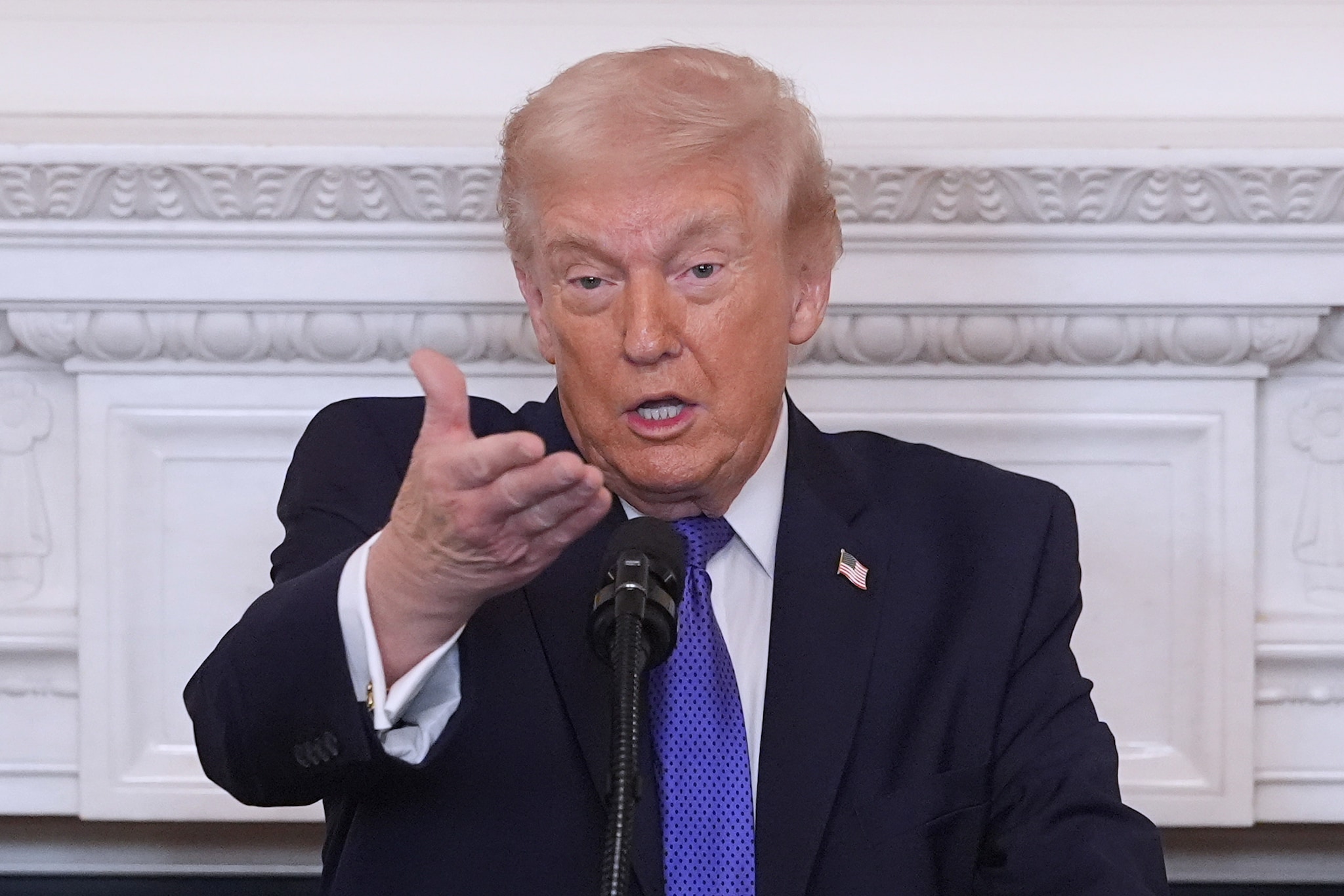
U.S. tariffs alone stripped roughly 1.4 trillion yen ($9 billion) from Toyota’s operating income this past fiscal year. When President Donald Trump’s administration spiked import duties on Japanese vehicles to 27.5% last April—later negotiated down to 15%—it effectively placed a massive tax on Toyota’s efficiency. For a company that has spent decades perfecting the "Just-in-Time" philosophy to shave pennies off production costs, a double-digit percentage hit at the border is a systemic shock that no amount of internal belt-tightening can fully offset.
The Margin Trap
Automotive manufacturing is a game of razor-thin margins and massive scale. Toyota succeeded in the latter, growing global sales by 2.5%, but the profitability per unit is being hollowed out by geopolitical maneuvering. While the company saw strong demand for its hybrid lineup—a segment where it remains the undisputed king—the cost of getting those cars into American showrooms has fundamentally changed the math.
The 1.38 trillion yen hit to operating profit is a staggering figure. To put that in perspective, that loss is nearly half of the 3 trillion yen profit Toyota expects to generate in the coming year. This isn't just a temporary dip; it is a structural realignment of how much money a global automaker is allowed to keep. The "price revisions" Toyota implemented to pass some of these costs to consumers helped soften the blow, but there is a limit to how much a buyer will pay for a RAV4 before they start looking at domestic alternatives or simply holding onto their old keys.
Geopolitical Pincers
Toyota is currently caught between two separate but equally volatile geopolitical fires. While U.S. trade policy is bleeding the balance sheet in the West, the escalating Iran war and broader Middle East conflict are strangling the supply chain from the East.
The effective closure of the Strait of Hormuz has forced Toyota to abandon traditional shipping routes. Rerouting vessels around the Cape of Good Hope adds weeks to delivery times and millions to fuel and insurance premiums. These are "dead costs"—expenditures that add zero value to the vehicle but must be paid to keep the assembly lines moving. Toyota estimates the conflict in the Middle East will shave another 670 billion yen ($4.27 billion) off its bottom line in the current fiscal year.
The Hybrid Hedge
If there is a silver lining in this grim balance sheet, it is the market's pivot back toward Hybrid Electric Vehicles (HEVs). For years, Toyota was criticized for its perceived "slow" adoption of pure Battery Electric Vehicles (BEVs). Critics called them laggards. Today, that skepticism looks like a masterstroke of risk management.
As the pure EV market faces a "chasm" of slowing consumer demand and infrastructure hurdles, Toyota’s hybrid sales are projected to exceed 5 million units for the first time. This surge provides the cash flow necessary to survive the tariff onslaught. The company is essentially using its dominance in internal combustion and hybrid technology to subsidize its transition into the "mobility company" it dreams of becoming.
However, even the hybrid savior has its limits. The yen’s volatility adds another layer of uncertainty. While a weak yen typically helps Japanese exporters by making their goods cheaper abroad, it also inflates the cost of imported raw materials. Toyota is now budgeting for an exchange rate of 150 yen to the dollar, a conservative estimate designed to buffer against a global economy that feels increasingly like a minefield.
The Erosion of the Break Even Point
President Kenta Kon recently noted that the "upward trend in the break-even sales volume has yet to show signs of slowing." This is the most dangerous sentence in the entire earnings report. It means Toyota has to sell more cars just to stay in the same place.
When your break-even point rises, your margin for error disappears. In the past, Toyota could weather a minor recession or a localized supply disruption because its cost base was low and its margins were healthy. Now, between 15% U.S. tariffs and skyrocketing logistics costs due to the Iran war, the company is forced to run at near-maximum capacity just to maintain its current trajectory.
The market reaction was swift and unsentimental. Toyota shares dropped 2.2% in Tokyo following the announcement. Investors aren't worried about whether Toyota can make good cars; they are worried about whether the world will let them make a profit.
Survival in a Fragmented World
The era of seamless global trade is over. Toyota is now operating in a world of regional blocs and protectionist walls. To survive, the company is signaling a shift toward even deeper localization. This means more than just building factories in the U.S.; it means localizing the entire supply chain to "de-risk" the product from the whim of a customs official or the volatility of a shipping lane.
This transition is expensive. It requires massive capital expenditure at a time when profits are already under pressure. Toyota’s forecast of a 22% profit drop for the next fiscal year is a candid admission that the "golden era" of Japanese export dominance is being taxed out of existence.
The automotive industry is no longer just about who has the best engine or the smartest software. It is about who can navigate a world where the rules of trade are rewritten every election cycle. Toyota has the volume, and it has the technology, but in the current climate, even being the best in the world isn't enough to protect the bottom line from the reality of 15% tariffs and a world at war.
Toyota’s record sales prove the brand remains a powerhouse, but the shrinking profit margin is a warning. If the world’s most efficient manufacturer is struggling to maintain its earnings under the weight of current trade policies, the rest of the industry is likely already underwater. The era of the affordable, high-quality global car is being traded away for political leverage, and the bill is finally coming due at the dealership.