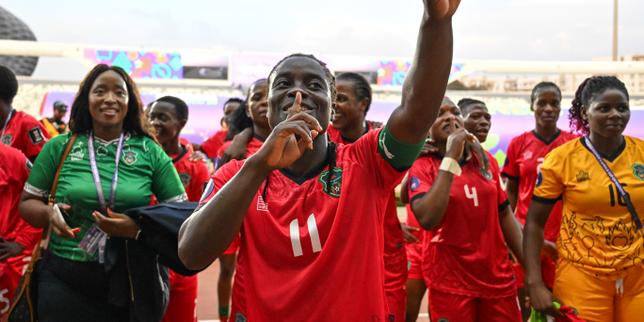
A tragic altercation in an Ugandan beach resort recently left an Arsenal fan dead following a dispute with a Manchester United supporter during the Premier League title race. This is not an isolated incident of sporting passion spilling over into tragedy, but rather the latest symptom of a deeply rooted pathology within global football fan culture. The globalization of European club football has detached tribal loyalty from its traditional geographic anchors, supercharging rivalries in regions where local community structures offer little buffering against fanatical devotion. When a match thousands of miles away dictates personal identity, the consequences can be fatal.
To understand how a tactical disagreement on a screen escalates to murder in a Kampala suburb, one must look far beyond the ninety minutes on the pitch. The modern football apparatus operates as a multi-billion-dollar emotion machine.
The Dislocation of Tribal Identity
For over a century, football rivalries reflected local zip codes, industrial divides, or sectarian splits. You supported Liverpool or Everton because of the street you grew up on or the church your family attended. Today, a teenager in Lagos, a bartender in Bangkok, and a student in Kampala claim these same clubs with equal fervor.
This democratization of fandom has generated staggering revenue for elite clubs, but it has also created a psychological vacuum. Western markets view football as entertainment, a consumer product to be enjoyed or discarded. In developing sports markets across Sub-Saharan Africa and Asia, foreign club allegiance fills a deep social need. It provides community, status, and an escape from economic stagnation.
When your self-worth is tethered to the performance of eleven multimillionaires in London or Manchester, a loss is not just a sporting disappointment. It is an existential threat. The ribbing that occurs in a London pub carries a different weight in a viewing hall where financial bets, personal pride, and social standing are on the line.
The Viewing Hall Economy and Amplified Risk
In many parts of the global south, watching a Premier League match is a communal, commercial event. Thousands of informal viewing centers dot towns and cities, charging small entry fees to broadcast matches via satellite. These spaces are hotbeds of raw emotion.
- Financial Stakes: Informal betting is rampant, turning a game into a high-stakes financial gamble for viewers who can ill afford to lose.
- Alcohol and Atmosphere: Cheap, high-proof alcohol often flows freely in unregulated venues, lowering inhibitions and sparking volatile arguments.
- Lack of Security: Unlike European stadiums, which feature heavy stewarding, segregation of fans, and CCTV monitoring, informal viewing halls operate with virtually zero security infrastructure.
When a flashpoint occurs—a controversial VAR decision, a late winner, or relentless taunting—there is no physical barrier to separate rival factions. A verbal disagreement over a refereeing decision can transform into physical violence within seconds.
The tragic confrontation between the Arsenal and Manchester United supporters underscores this exact vulnerability. It was a clash fueled by proximity, intense emotional investment, and the absence of any institutional de-escalation mechanisms.
The Role of Digital Echo Chambers
Social media has fundamentally altered how fans interact, erasing geographic distances while weaponizing rhetoric. Platforms like X, TikTok, and WhatsApp groups operate as digital battlegrounds where fanbases engage in non-stop psychological warfare.
The language of online football fandom is intentionally dehumanizing. Terms like "bottlers," "frauds," and "clowns" dominate the discourse. For a fan base subjected to months of online mockery during a title race, the pressure cooker atmosphere of a live viewing environment becomes even more precarious. The online toxicity bleeds directly into the real world, transforming banter into genuine hostility.
Traditional Fandom: Geographic Anchor -> Community Identity -> Managed Rivalry
Modern Global Fandom: Digital Consumption -> Hyper-Reactive Identity -> Unregulated Confrontation
Corporate Responsibility and the Blind Spot of Elites
The English Premier League and its member clubs are masterclasses in global brand expansion. They dispatch executives on international trophy tours, sign lucrative regional sponsorship deals, and celebrate their massive digital footprints across Africa and Asia. Yet, their duty of care rarely extends past the boundaries of the United Kingdom.
Elite clubs are acutely aware of the volatile nature of their global fanbases, yet they treat these markets strictly as extractive economic zones. They harvest data and subscription fees while doing little to invest in the social infrastructure or fan safety of the regions powering their growth.
"The global football industry treats international supporters as monetization metrics rather than human communities requiring engagement and education regarding sportsmanship."
If a club can partner with a regional telecom provider to sell mobile data packages, it can equally mandate and fund fan education programs, local community centers, and safe viewing initiatives. Ignoring the darker side of global fandom is a choice dictated by corporate convenience.
Moving Beyond Retrospective Grief
Condemning violence after a tragedy occurs is a standard public relations maneuver, but it achieves nothing. Addressing the root causes of global football violence requires a coordinated effort from local governments, broadcasting authorities, and the football hierarchy itself.
- Regulation of Commercial Viewing Spaces: Local municipalities must enforce basic safety standards, occupancy limits, and security presence at commercial viewing centers during high-risk matches.
- Local Fan Club Accountability: Official international supporters' clubs must transition from mere marketing arms into self-policing organizations that actively promote anti-violence campaigns.
- Direct Investment from Leagues: A fraction of the billions generated from international broadcasting rights should be redirected toward developing local sports infrastructure, fostering healthier domestic leagues rather than absolute dependency on foreign clubs.
The tragedy surrounding the Premier League title race celebrations should serve as an urgent warning. Football possesses an unparalleled ability to unite people across continents, but when left unguided in a commercial pressure cooker, that same power easily curdles into lethal tribalism. The beautiful game becomes ugly the moment a corporate entity values its broadcasting revenue more than the lives of the people consuming its product.