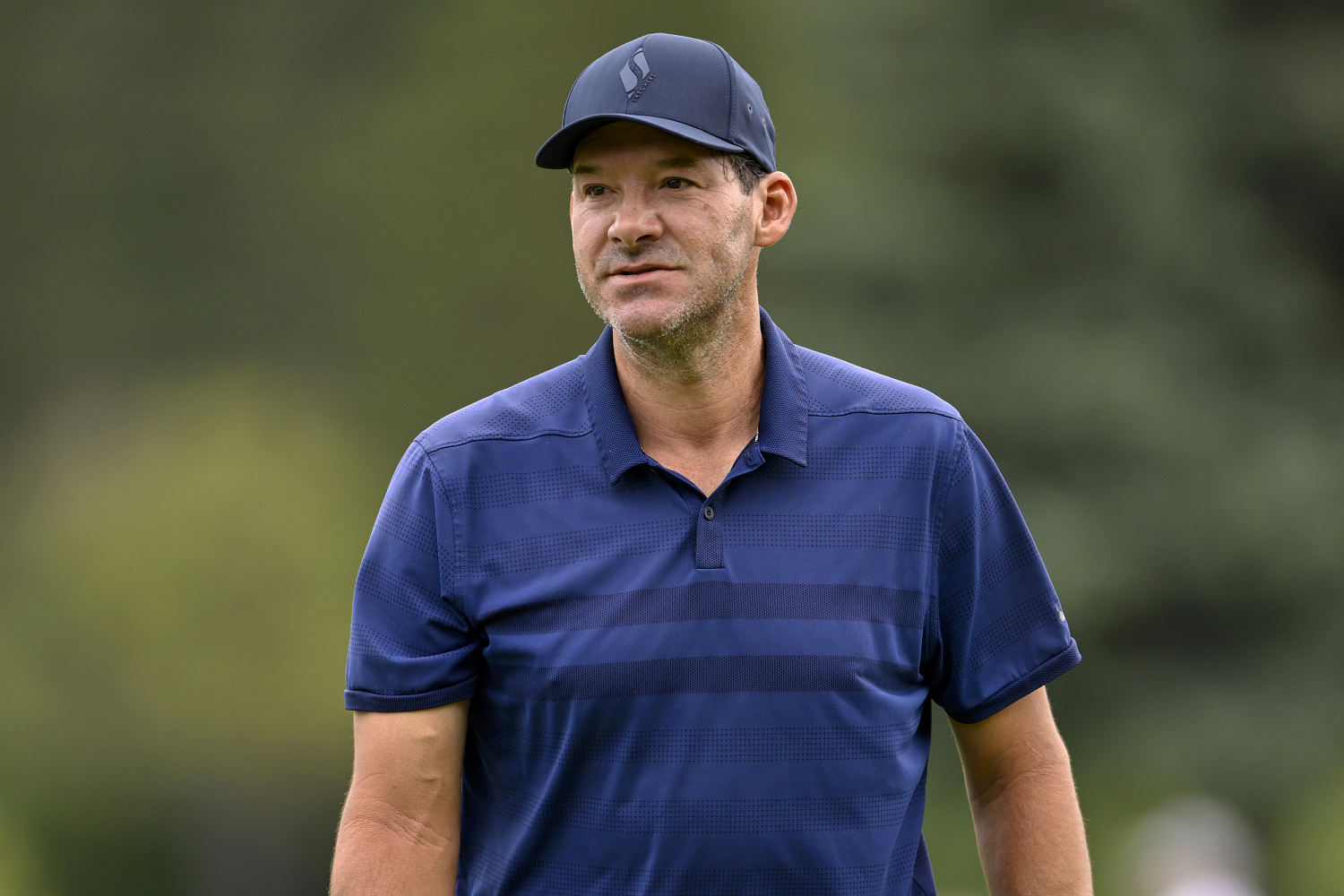
Former Dallas Cowboys quarterback and lead CBS television analyst Tony Romo recently pleaded no contest in a Milwaukee County courtroom to a charge of operating while intoxicated. The legal resolution—resulting in a six-month driver license suspension, a fine, and mandated alcohol assessment—brought a swift and public close to an immediate judicial proceeding stemming from a July traffic stop. Yet the broader cultural and professional fallout surrounding Romo extends far beyond a Wisconsin highway. It forces a harsh spotlight onto a quiet, systemic crisis that shadows elite professional sports long after the stadium lights turn off.
When a public figure of Romo's stature falls into legal jeopardy, the immediate media cycle feeds on the spectacle. Body camera footage, police reports detailing open containers, and rapid network suspensions dominate headlines. But focusing solely on the procedural details of an arrest misses the structural reality of what happens when generational athletic bodies break down. Romo's subsequent public statement pointed to a pipeline of physical trauma, chronic pain management, and subsequent chemical dependency that professional leagues rarely address once a player hangs up their cleats.
The Anatomy of Post-Career Physical Ruin
The human body is not built to absorb the kinetic violence of modern professional football. Multiple back surgeries prematurely ended Romo's playing days, leaving him with structural damage that standard rehabilitation protocols often fail to completely resolve.
Chronic, debilitating physical pain changes the architecture of daily life. In the hyper-competitive environment of the National Football League, masking that pain is a professional requirement. Medical staffs dispense powerful pharmaceuticals to keep high-value assets on the field. When the career ends, the prescriptions do not magically solve the underlying orthopedic damage.
Athletes transition from a structured environment of heavy medical oversight into a vacuum. The structural dependence on pain mitigation medication frequently mutates into alternative coping mechanisms. Alcohol remains the most accessible, socially normalized anesthetic available. When former competitors attempt to navigate the painful process of weaning off prescription narcotics, the vacuum is often filled by an over-reliance on the bottle. This is not an isolated moral failure. It is a predictable physiological and psychological trajectory for individuals whose bodies were systematically dismantled for entertainment.
The Broadcaster's Purgatory and Corporate Panic
The corporate reaction from CBS Sports was swift. Executives placed their marquee television analyst on indefinite leave, substituting former defensive star J.J. Watt into the premier broadcast booth alongside Jim Nantz. Networks spend millions cultivating pristine corporate identities. They view high-profile arrests not just as personal tragedies, but as direct threats to their advertising revenue and brand equity.
Morals clauses embedded in multi-million-dollar broadcasting contracts give networks absolute leverage to sideline talent at the first sign of public embarrassment. Yet this corporate panic exposes a profound hypocrisy within sports media ecosystems. Networks build their entire multi-billion-dollar empires by glorifying the violent, reckless physical sacrifice of these exact athletes. They extract the entertainment value from bodies pushed past biological breaking points, only to distance themselves when the psychological and physical wreckage surfaces in civilian life.
The broadcasting booth demands effortless charm, sharp analytical clarity, and a persistent veneer of frictionless perfection. Maintaining that public persona while privately battling substance dependency and chronic physical agony creates an unsustainable psychological fracture.
Examining the Wider Industry Blind Spot
Major sports leagues and affiliated media organizations invest heavily in rookie orientation programs, financial literacy seminars, and basic post-career transition workshops. What they chronically underfund is long-term psychological infrastructure for retired personnel.
When an elite quarterback leaves the field, they lose more than a job. They lose a tightly controlled community, an adrenaline baseline that normal society cannot replicate, and a primary source of identity. For athletes dealing with traumatic brain injuries, chronic orthopedic pain, and neurochemical imbalances, the transition period lasts decades, not months.
Romo stated publicly that he is working with a specialized team of doctors to address his health and prepare for an eventual return to the broadcast booth. Whether CBS welcomes him back remains entirely dependent on public perception and internal corporate risk calculations. However, the deeper issue is not whether a television network decides to rehire its lead analyst. The real failure lies in an industry that watches its most recognizable faces stumble through the wreckage of physical and chemical dependency, treating each occurrence as an isolated shock rather than a systemic symptom of a broken post-career continuum.

.png?width=1200&auto=webp&trim=0%2C0%2C0%2C0)