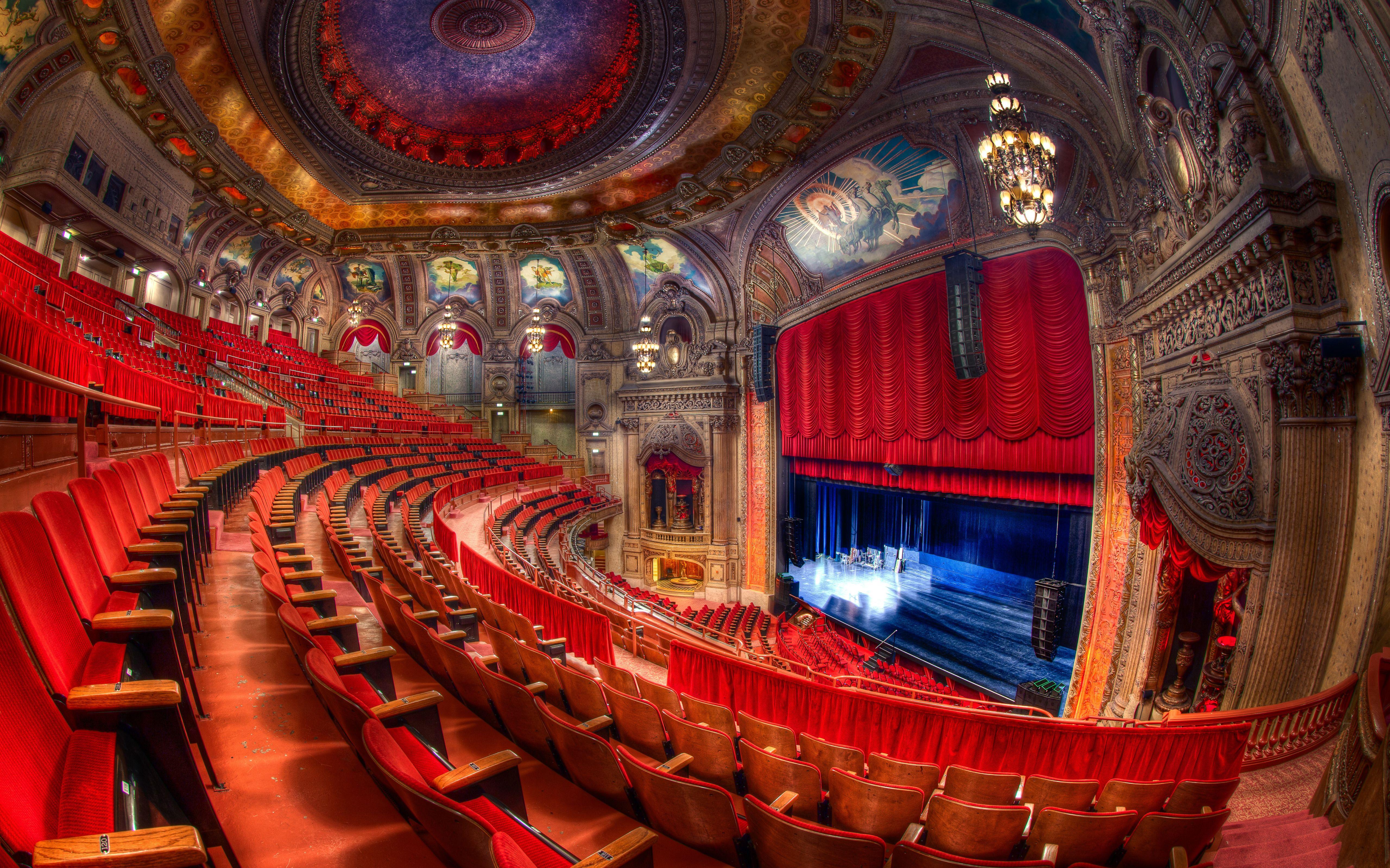
People pay money to sit in dim, humid rooms across Los Angeles just to hear strangers argue that politeness is a disease. On a sticky Tuesday night, a microphone passes from hand to hand while a crowd sips overpriced mezcal and waits for someone to cross a line. The premise is disarmingly simple. Bring your most indefensible opinion, step onto a small wooden stage, and defend it against a panel of hostile skeptics who treat social norms like wet tissue paper. One speaker steps up and delivers a thesis that sounds engineered for maximum friction: it should be socially acceptable to inform a friend that their newborn child is profoundly unattractive. The room gasps, then chuckles, then measures the audacity of the claim like wine critics swirling an aggressive vintage.
This is not free speech advocacy in any traditional civic sense. This is performance art masquerading as intellectual combat. For decades, the city has manufactured trends out of pure air, turning wellness crazes and spiritual vacuums into billion-dollar empires. Now, the pendulum has swung violently toward the opposite extreme. The new status symbol is not clean living or unblemished positivity. It is the ability to say something deeply disagreeable without blinking.
Let us look at the mechanics behind this cultural twitch.
The Anatomy of Manufactured Outrage
Every scene requires its stagecraft. In these subterranean forums, the architectural design mimics a 1970s television studio crossed with an underground comedy cellar. Brick walls, heavy amber lighting, and the low hum of nervous adrenaline set the temperature before a single word is spoken. The participants are rarely working-class iconoclasts or hardened philosophers. They are screenwriters, digital marketing directors, independent podcasters, and brand consultants who spend forty hours a week filtering every email through three layers of corporate compliance.
When they step onto that stage, they are seeking an escape valve. The modern white-collar workspace operates under a suffocating weight of linguistic hygiene. Every statement must be sanitized, quantified, and rendered harmless to prevent litigation or human resources intervention. By paying ticket prices to hear someone argue that babies look like wrinkled potatoes or that romantic love is a chemical scam, the audience buys a temporary exemption from the rules.
Consider a hypothetical scenario played out across these venues every weekend. A young branding strategist takes the mic and argues that corporate loyalty is superior to familial obligation. The argument is objectively absurd, built on a foundation of deliberate hyperbole and selective statistics. The speaker does not actually believe it. The audience knows they do not believe it. Yet the room erupts into dueling chants because the mere act of verbalizing the forbidden thought feels like a minor coup against the architecture of polite society.
The appeal lies entirely in the transgression. When a culture becomes saturated with mandatory cheerfulness, hostility feels like honesty. People mistake abrasiveness for authenticity because they have spent years drowning in corporate boilerplate and sanitized social media feeds.
A Rebellion Against Digital Sterility
The internet promised a global town square where every voice could be heard. Instead, it delivered an endless, homogenized corridor of algorithmic curation. Every platform rewards conformity wrapped in the camouflage of individuality. Users curate their online presence with the precision of museum curators, scrubbing away any rough edges, inconvenient contradictions, or unfiltered observations.
When an entire generation grows up inside a digital panopticon where a poorly phrased tweet from ten years ago can terminate employment, human nature responds with explosive pushback. The underground hot-take circuit is a direct psychological reaction to the sterile perfection of social media feeds. People want dirt under their fingernails. They want the sharp, metallic tang of genuine human conflict instead of pre-approved corporate consensus.
Yet, treating this impulse as a genuine political uprising misses the mark entirely. Real rebellion costs something. It risks livelihood, social standing, or physical safety. Saying a baby is ugly in a crowded bar in Silver Lake surrounded by people applauding your bravery carries zero professional risk. In fact, it functions as a badge of honor among a specific creative class that measures authenticity by how many taboos they can casually break before last call.
The irony is thick enough to cut with a knife. The people rebelling against institutional conformity are doing so inside heavily curated cultural hubs, surrounded by peers who validate their exact brand of sophisticated cynicism. It is a rebellion that comes with valet parking and artisan cocktails.
The Economics of the Underground Micro-Scene
Culture does not happen in a vacuum. It follows the money, or at least the pursuit of attention. In cities like Los Angeles, alternative subcultures quickly morph into cottage industries. What starts as a group of friends venting in a living room soon finds itself renting back rooms in bars, charging twenty-dollar admission fees, and selling branded tote bags by the exit.
The economics of modern micro-events rely on the monetization of social friction. Traditional media companies struggle to capture the wandering attention spans of younger demographics who reject legacy advertising. These live, high-wire acts fill that void. They offer an unpredictable, unedited spectacle that cannot be replicated on a standard streaming platform. Attendees are not just buying a ticket to a show; they are buying admission to an exclusive club of people who supposedly possess the stomach for hard truths.
Sponsors and independent media networks have begun circling these spaces, sniffing out potential talent. A sharp-tongued speaker who can defend an outrageous premise with comedic timing and verbal agility is a valuable asset in the attention economy. They become podcast guests, newsletter authors, and cultural commentators. The underground stage acts as a farm system for digital controversy.
This commercialization changes the nature of the dissent. When being offensive becomes a viable career path, the provocation stops being spontaneous. It is calculated. The participants learn which tropes trigger the biggest reactions, which taboos are safe to break, and how to package their hostility for maximum algorithmic export. The rebellion becomes a product line.
The Psychology of the Performative Cynic
Beneath the bravado and the clever framing lies a deep reservoir of exhaustion. The modern urban professional is chronically over-informed and under-empowered. Confronted with massive global problems that they cannot influence—housing crises, climate anxiety, economic instability—they retreat into micro-cynicism.
If you cannot fix the housing market or stop a war, you can at least mock the idea of unconditional love or argue that family structures are obsolete. Cynicism offers an emotional shield. It allows intelligent people to detach from earnest engagement without feeling like they are abandoning their principles. After all, if everything is ridiculous and nothing matters, you never have to risk the vulnerability of caring about something that might fail.
This psychological defense mechanism explains why the arguments presented at these events often sound remarkably hollow upon closer inspection. They are not designed to withstand rigorous intellectual scrutiny. They are designed to signal detachment. The speaker is broadcasting a clear message to the room: I am too smart to be earnest, too cynical to be fooled, and too detached to be hurt.
The audience responds to this posture with wild enthusiasm because they share the same invisible wounds. They, too, are tired of performing enthusiasm for jobs they tolerate and relationships that feel precarious. The shared celebration of offensive opinions is actually a collective sigh of relief. It is a way of admitting that the pressure to be constantly positive, productive, and well-adjusted has broken something fundamental inside them.
Where Free Expression Collides with Basic Decency
Defenders of these events love to wrap themselves in the mantle of historical iconoclasts and the fierce traditions of free speech jurisprudence. They claim they are protecting the right to offend from an encroaching tide of neo-puritanism. There is a grain of truth in that defense. Modern culture has developed an allergic reaction to ambiguity, often treating bad taste as a moral failing.
However, conflating cruelty with courage is a dangerous intellectual shortcut. Saying something obnoxious about a helpless infant or mocking a universally accepted standard of human decency does not make someone a fearless dissenter. It simply makes them loud. True intellectual courage involves challenging entrenched power structures, questioning systemic corruption, or speaking truth to actual authority at personal expense.
Mocking the vulnerable or attacking foundational social contracts just to hear the room gasp is not bravery. It is toddler behavior with a microphone. The irony is staggering. The people who pat themselves on the back for rejecting societal rules are often the most fragile participants in the room, melting down the moment someone applies the exact same abrasive logic back onto them.
The demand for unvarnished truth will not disappear anytime soon. As long as our institutions remain rigid and our digital lives remain curated, people will seek out dark rooms where they can pretend the rules do not apply. But until we learn to distinguish between genuine critique and performative misanthropy, our search for authenticity will remain nothing more than a noisy night out in a crowded room, leaving everyone slightly more exhausted and infinitely less honest than before.